Articles
Stories, history, and planning essays from Córdoba
Long-form editorial pieces written by resident correspondents: cultural deep-dives, food traditions, and practical planning essays for visiting the city.
Latest
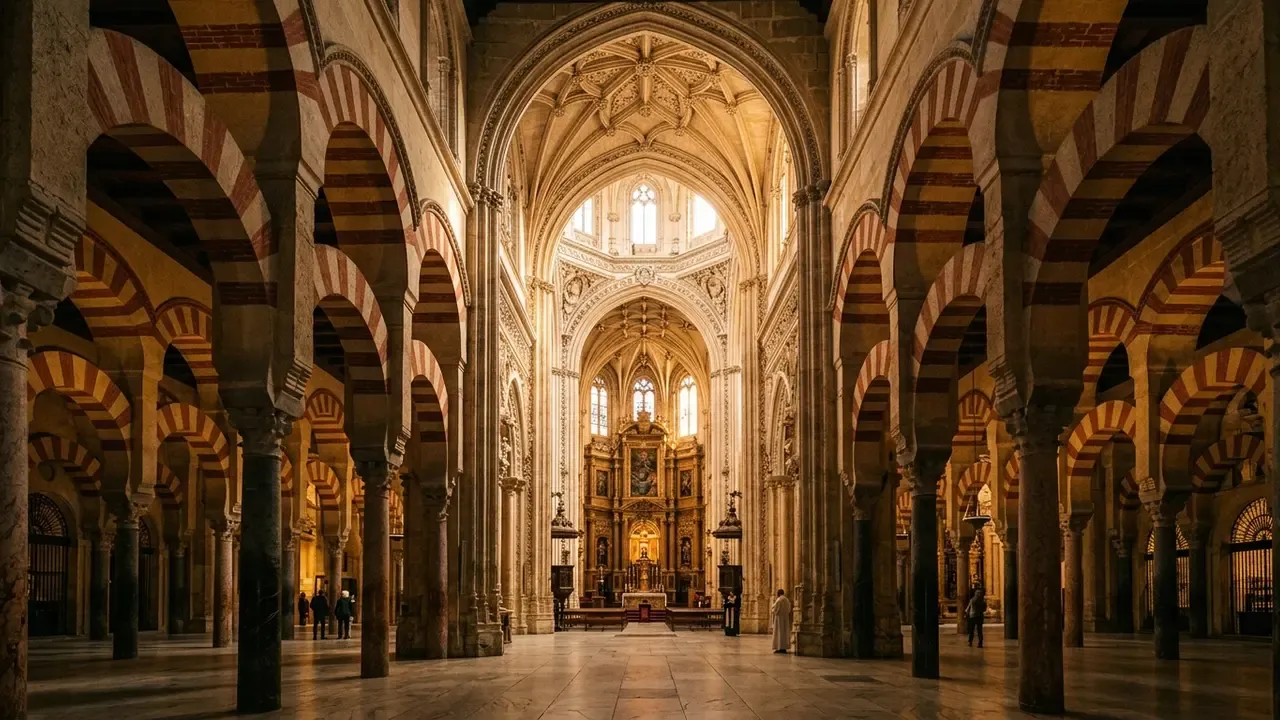
What Charles V Regretted About the Mezquita He Approved
Carmen Ruiz Montoya
Charles V approved inserting a Renaissance nave into Córdoba's Great Mosque in 1523, overriding local opposition. His alleged regret may be apocryphal.
Read article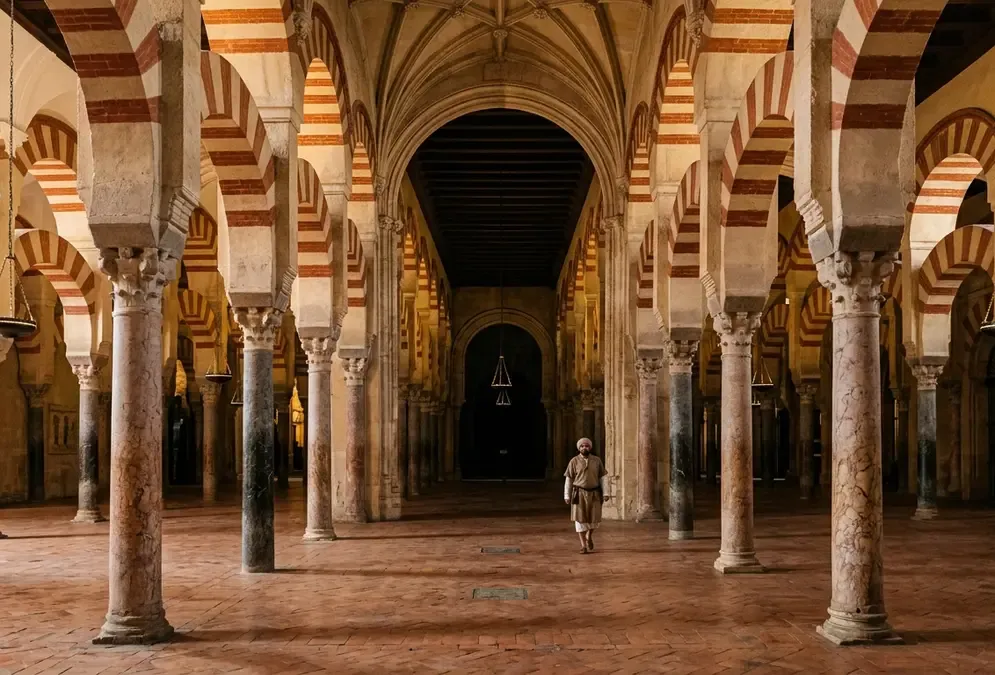
Ziryab — The Musician Who Invented Your Dinner in Córdoba
Carmen Ruiz Montoya
Ziryab left Baghdad for Córdoba in 822 CE. He added a fifth string to the oud, founded a music school, and, tradition holds, invented the three-course meal.
Read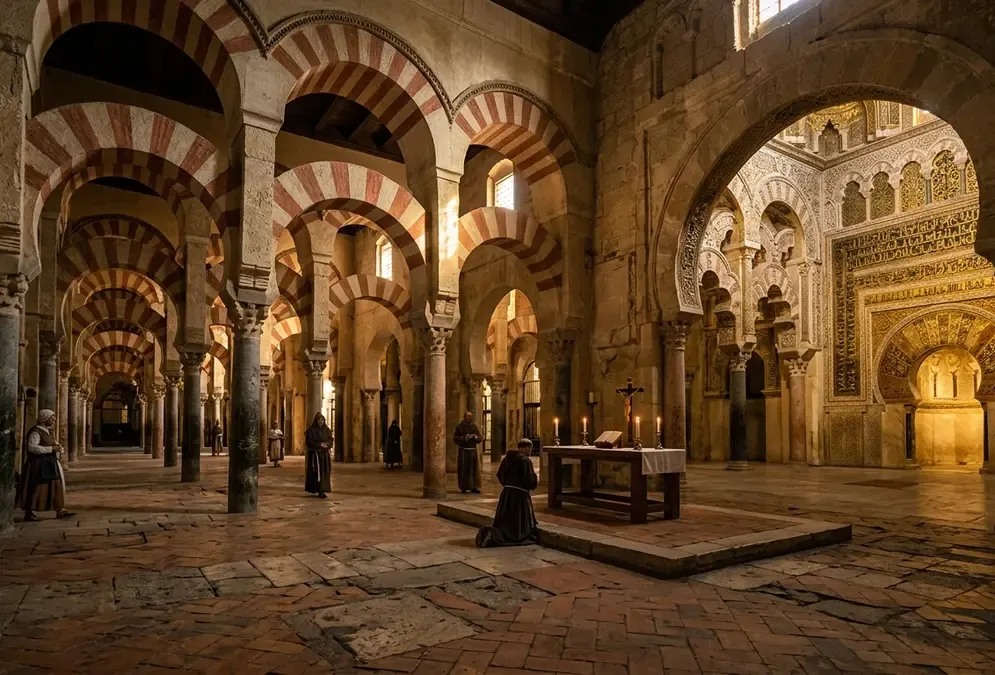
Mezquita Conversion 1236: What the Reconquista Actually Did
Sophie Marchand
On June 29, 1236, Ferdinand III converted the Great Mosque into a cathedral. What changed immediately, what survived, and what Charles V later destroyed.
Read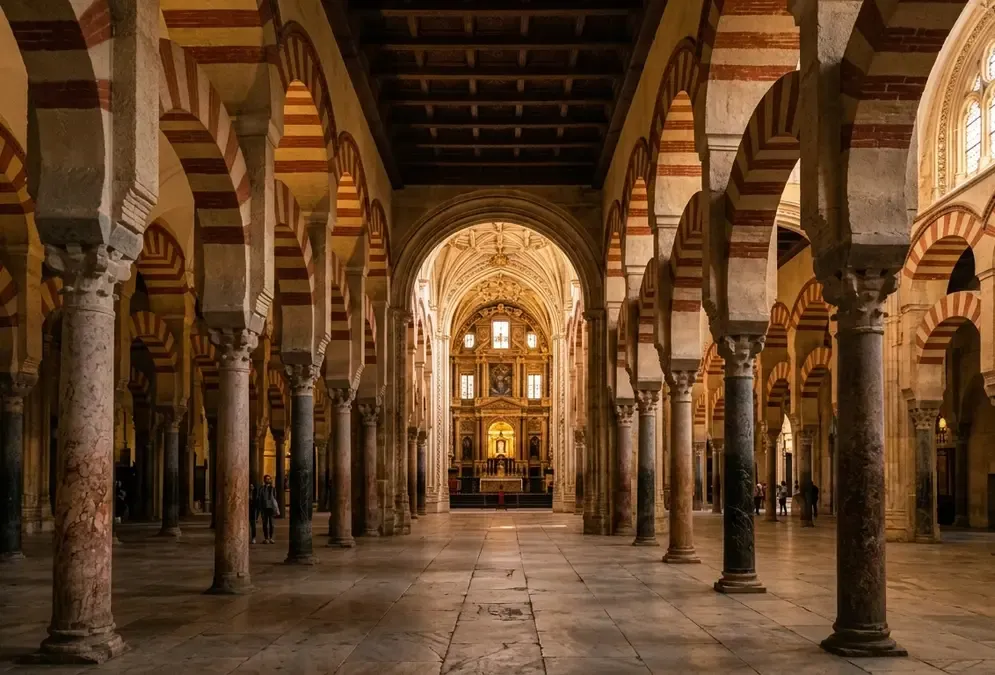
Is the Mezquita a Mosque or Cathedral?
Sophie Marchand
Mosque in 785, cathedral since 1236, registered by the Church for €30 in 2006. The full story of why the Mezquita's name and ownership are still disputed.
Read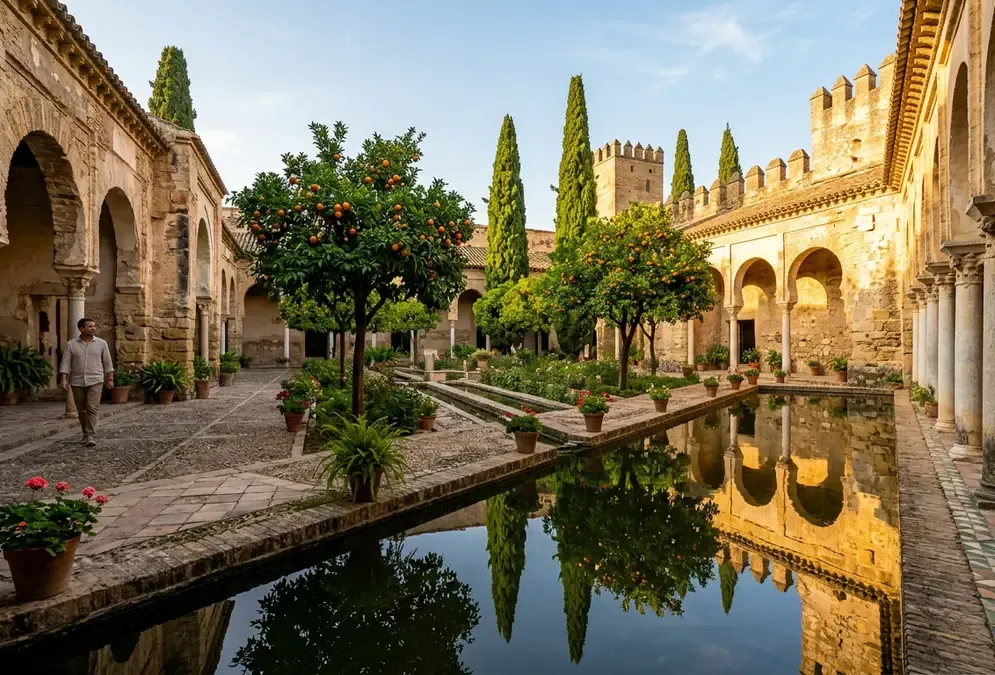
Columbus in Córdoba: The Promise He Never Kept
Carmen Ruiz Montoya
Columbus spent six years in Córdoba lobbying the Catholic Monarchs. He met Beatriz Enríquez de Arana here in 1487, fathered a son, and never married her.
Read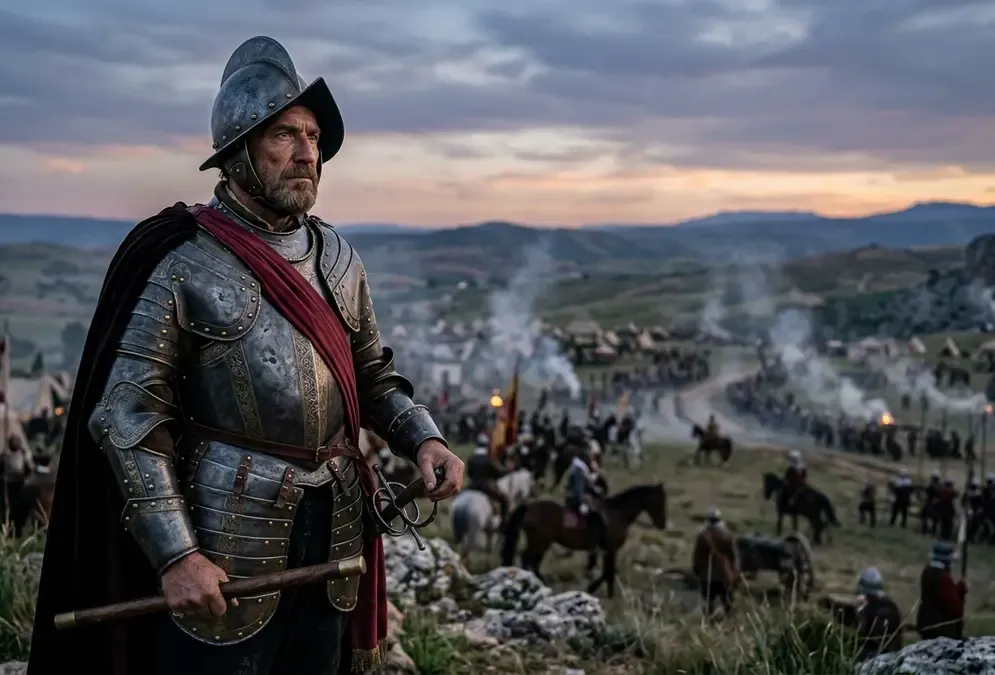
Gran Capitán: Córdoba's General Who Invented Modern War
María Fernanda González
Gran Capitán, born near Córdoba in 1453, negotiated Granada's surrender and won the first battle ever decided by firearms. Córdoba has no statue for him.
Read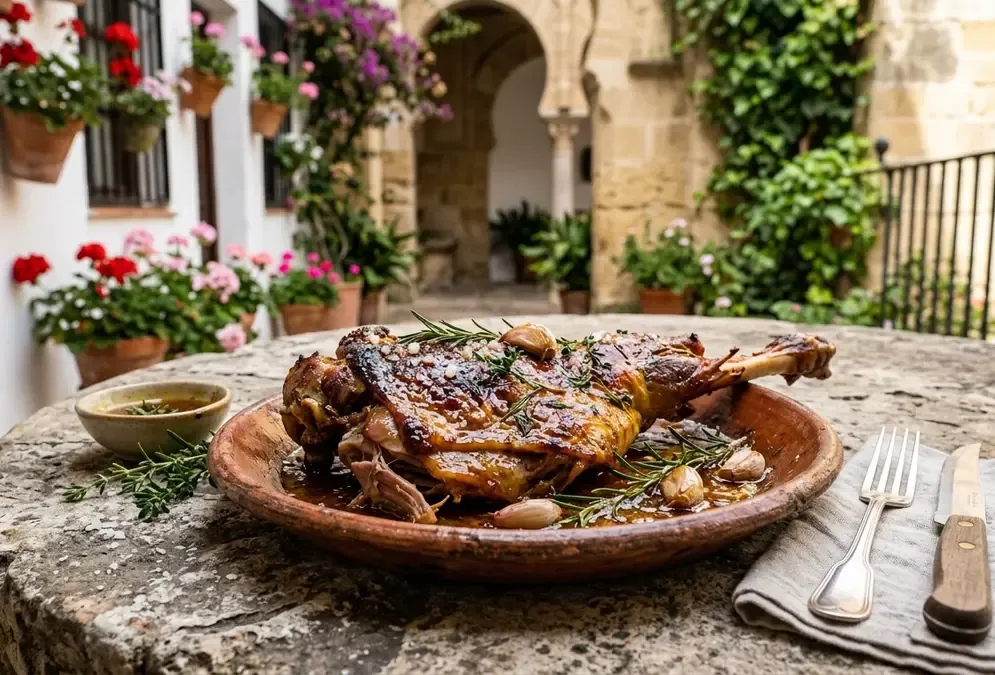
Cordero a la Miel: Córdoba's 10th-Century Lamb Recipe
Pedro Del Pozo
Cordero a la miel descends from the lamb-and-honey tradition of caliphal Córdoba. The culinary history behind Córdoba's most layered slow-roasted dish.
Read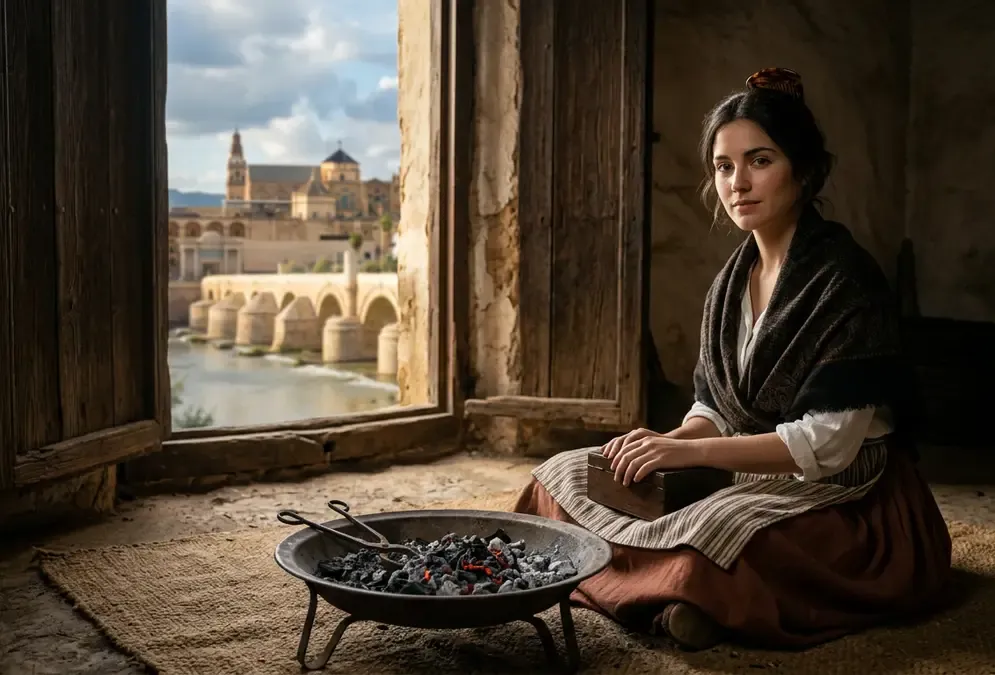
Julio Romero de Torres: The Painter Who Made Córdoba Sensual
Sophie Marchand
Julio Romero de Torres (1874–1930) turned Córdoba's women, light, and flamenco into Andalusian symbolism. His last painting remains in his Córdoba museum.
Read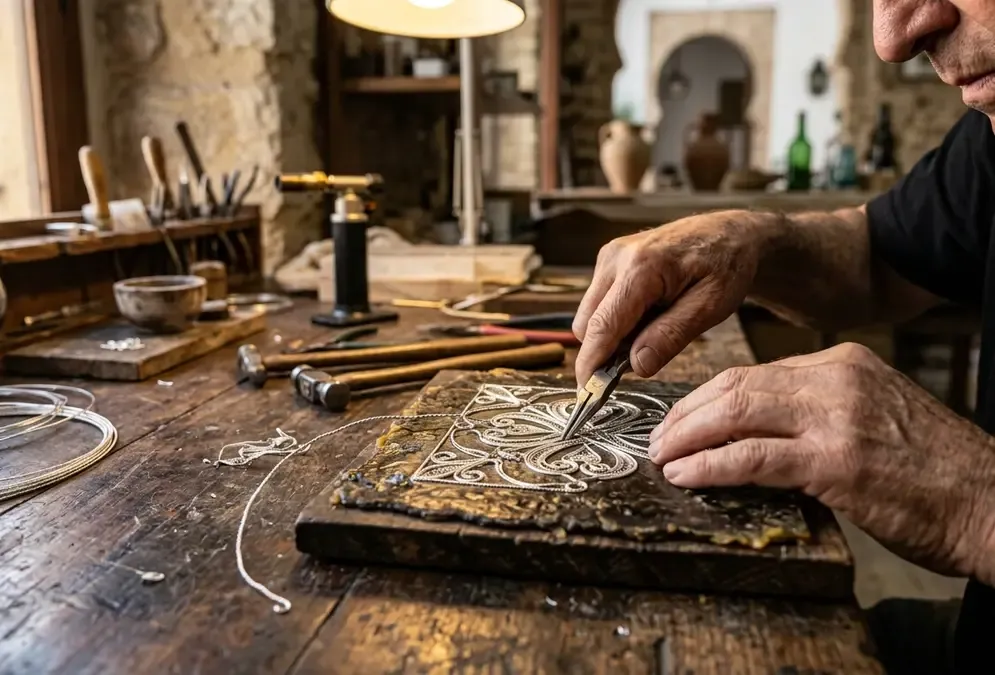
The Silver Filigree of Córdoba: A Thousand Caliphal Threads
Sophie Marchand
Silver filigree Córdoba: the Umayyad craft of the Judería, nearly lost, then carried to Colombia. History, technique, and where to buy authentic pieces today.
Read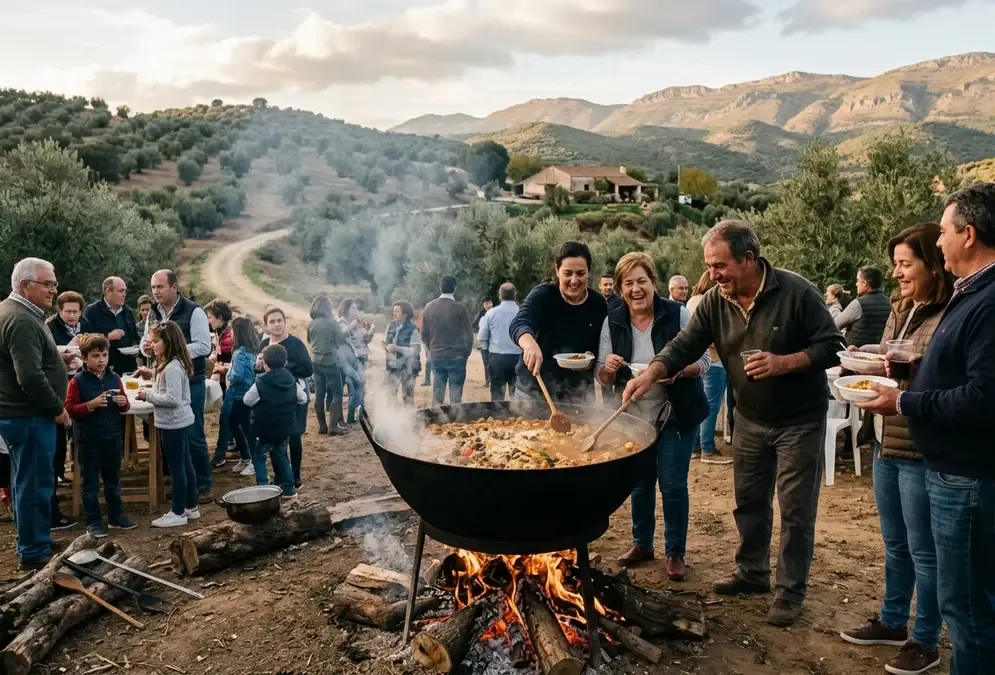
Perol Cordobés Tradition: The Feast That Eats Last
Pedro Del Pozo
The perol cordobés is not a recipe. It is a communal outdoor feast anchored to San Rafael Day (October 24) where families of 50+ cook in the countryside.
Read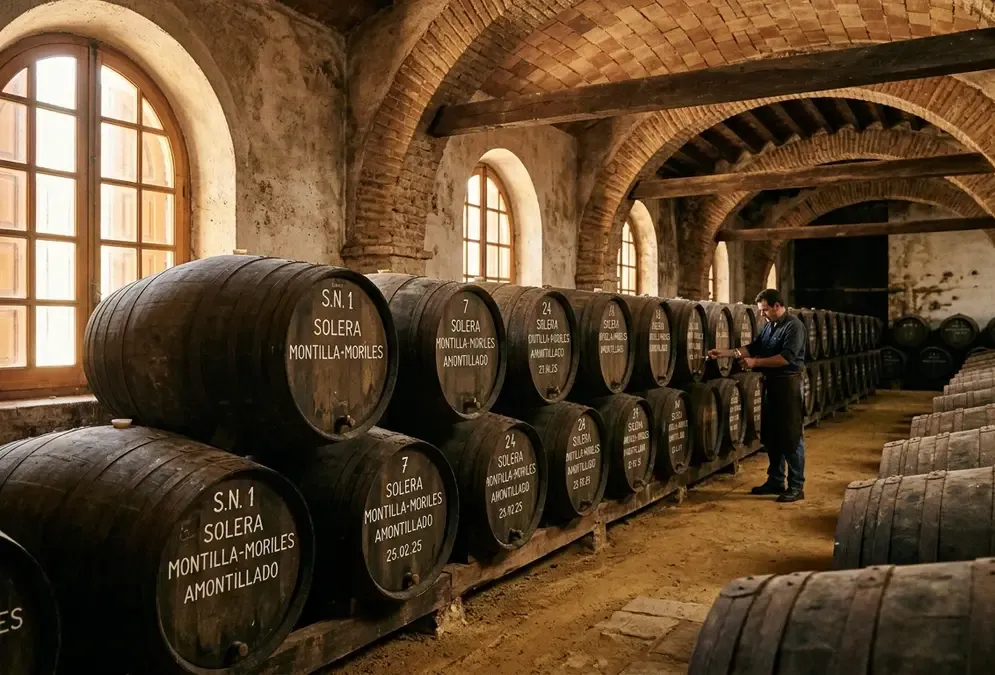
Montilla-Moriles: The Wine That Named a Poe Story
Carmen Ruiz Montoya
Montilla-Moriles wine invented amontillado but can't legally use the name. The full story: the etymology, Poe's 1846 tale, and where to taste it in Córdoba.
Read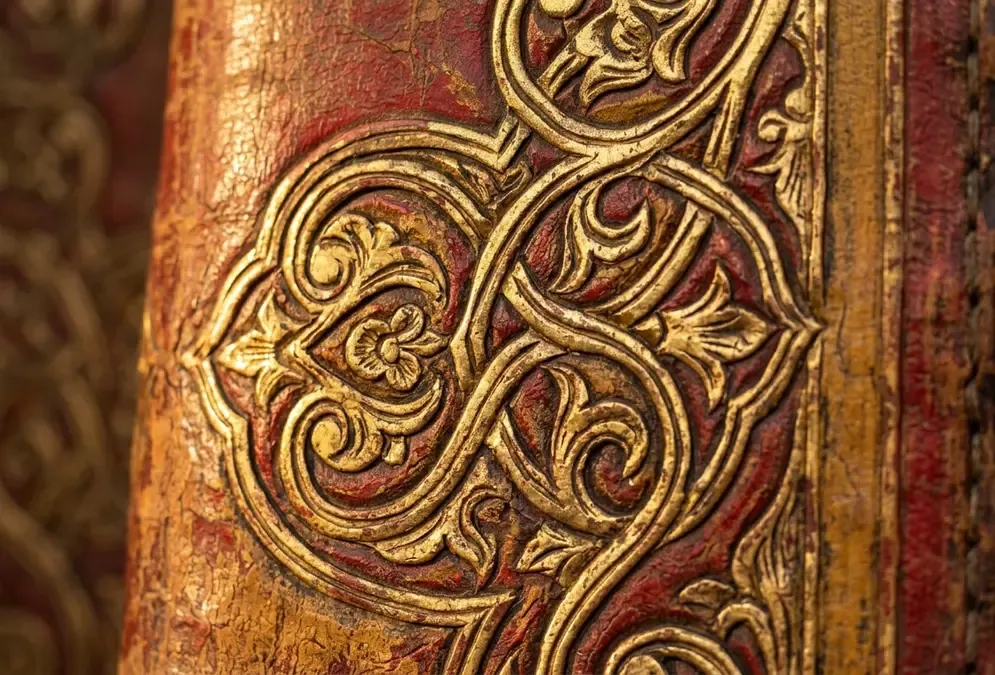
Guadamecí: The Leather That Furnished Royal Courts
Sophie Marchand
Guadamecí leather Córdoba: gilded sheepskin panels that furnished European palaces. History, technique, revival, and where to see it in the Judería today.
Read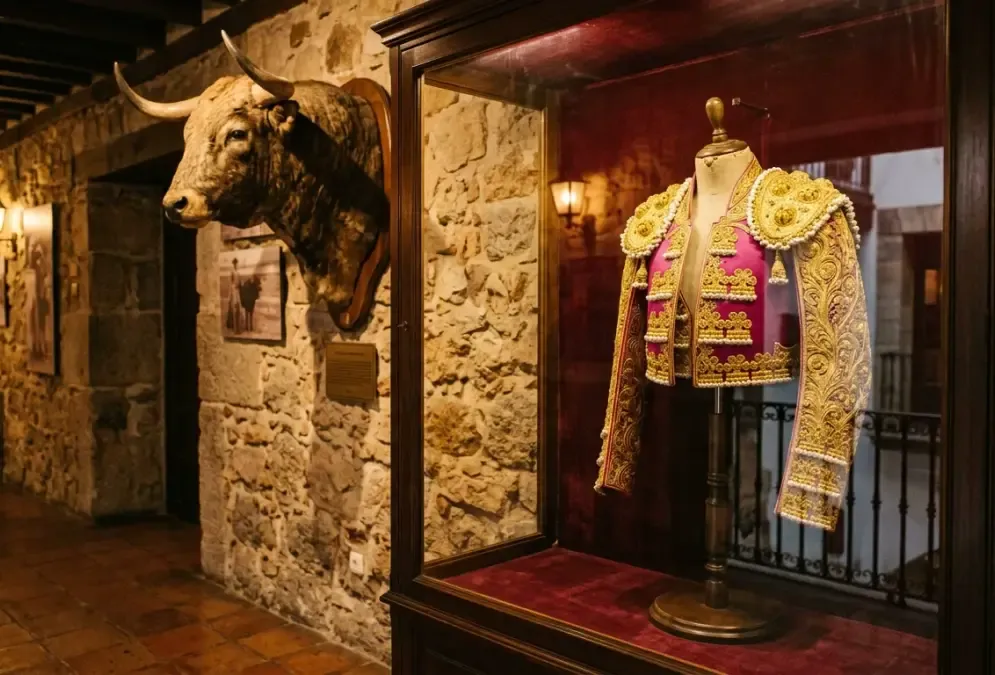
Manolete: Córdoba's Last Sad God of the Ring
María Fernanda González
Manolete of Córdoba was born in Santa Marina in 1917 and died at 30, gored by a Miura bull. Spain mourned for three days. Islero's head is still in the museum.
Read