Articles
Stories, history, and planning essays from Córdoba (Page 2)
Long-form editorial pieces written by resident correspondents: cultural deep-dives, food traditions, and practical planning essays for visiting the city.
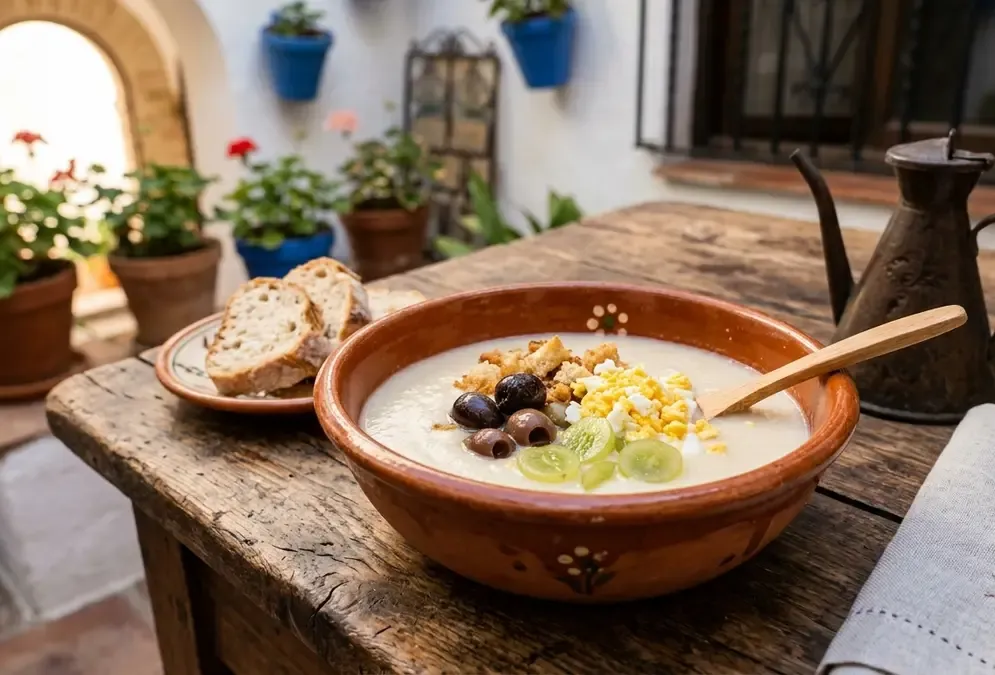
Mazamorra Cordobesa — The Ancient White Soup Before Salmorejo
Pedro Del Pozo
Mazamorra cordobesa predates salmorejo by eight centuries. Bread, almonds, garlic, olive oil: Córdoba's ancient cold soup, eaten before tomatoes ever arrived.
Read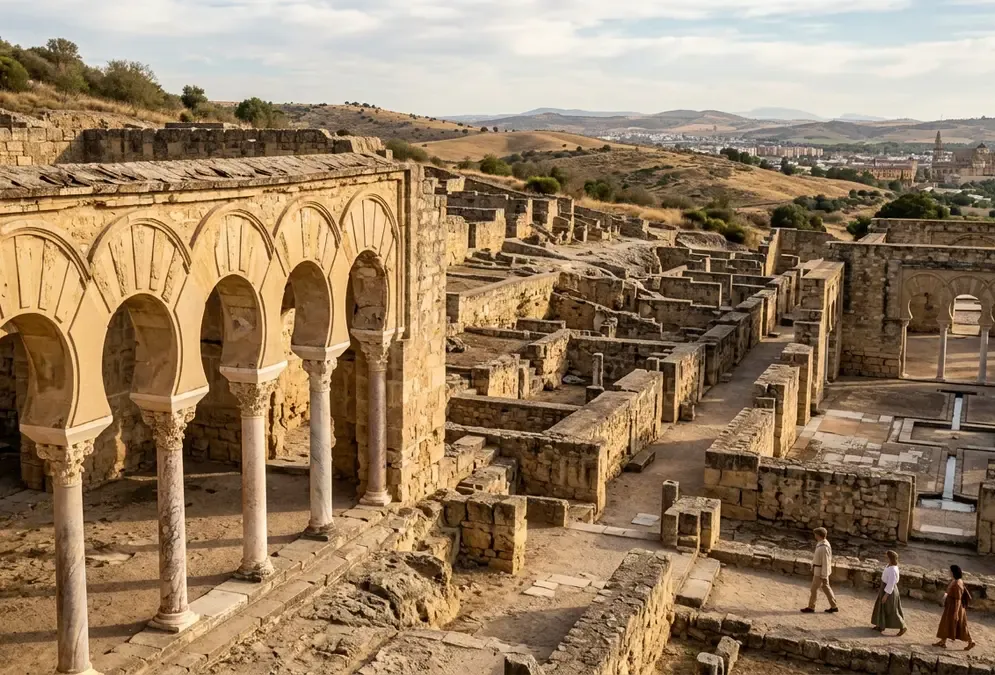
Al-Hakam II's Library — 400,000 Books That Vanished
Sophie Marchand
Al-Hakam II's Córdoba library held 400,000 manuscripts in the 10th century. Then Almanzor burned the philosophy and the Fitna scattered the rest. What we lost.
Read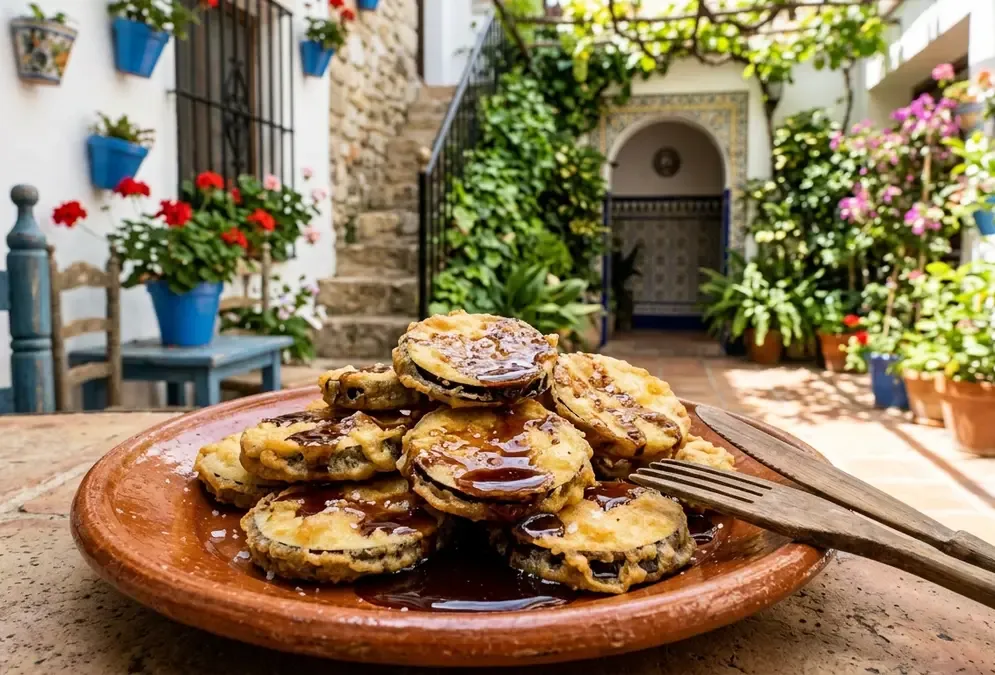
Berenjenas con Miel — Moorish Roots of Córdoba's Sweetest Tapa
Pedro Del Pozo
The Moorish origin of berenjenas con miel traces to 8th-century Al-Andalus, where fried aubergines and honey defined sweet-savoury cooking in Córdoba.
Read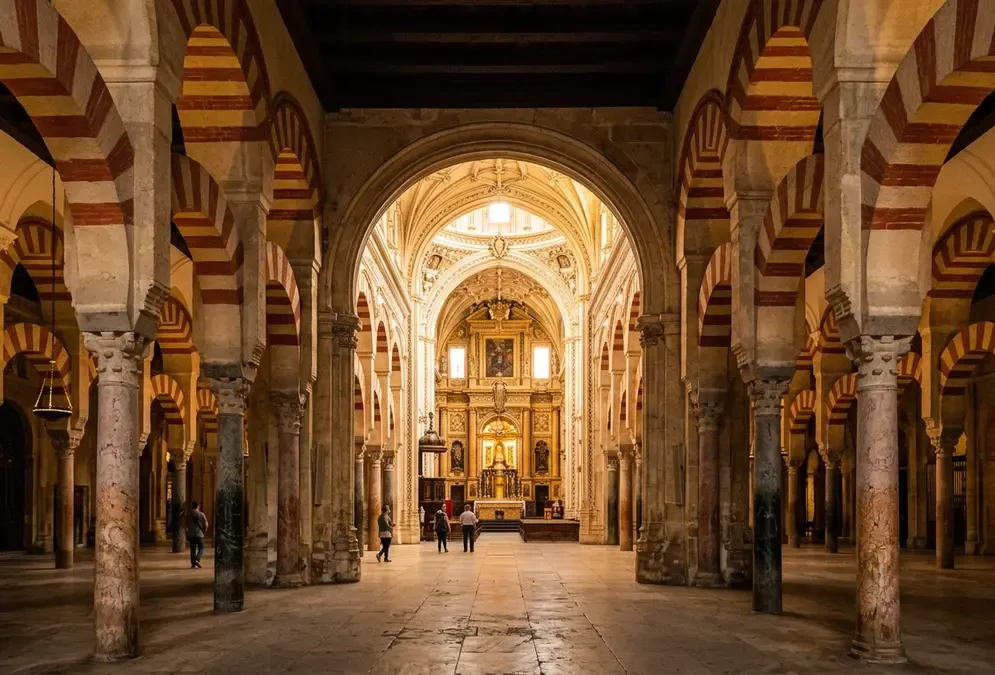
Convivencia: The Story Córdoba Tells About Itself
Sophie Marchand
Convivencia, the interfaith harmony idea tied to medieval Córdoba, was coined in 1948. What the actual history shows is more complex and more interesting.
Read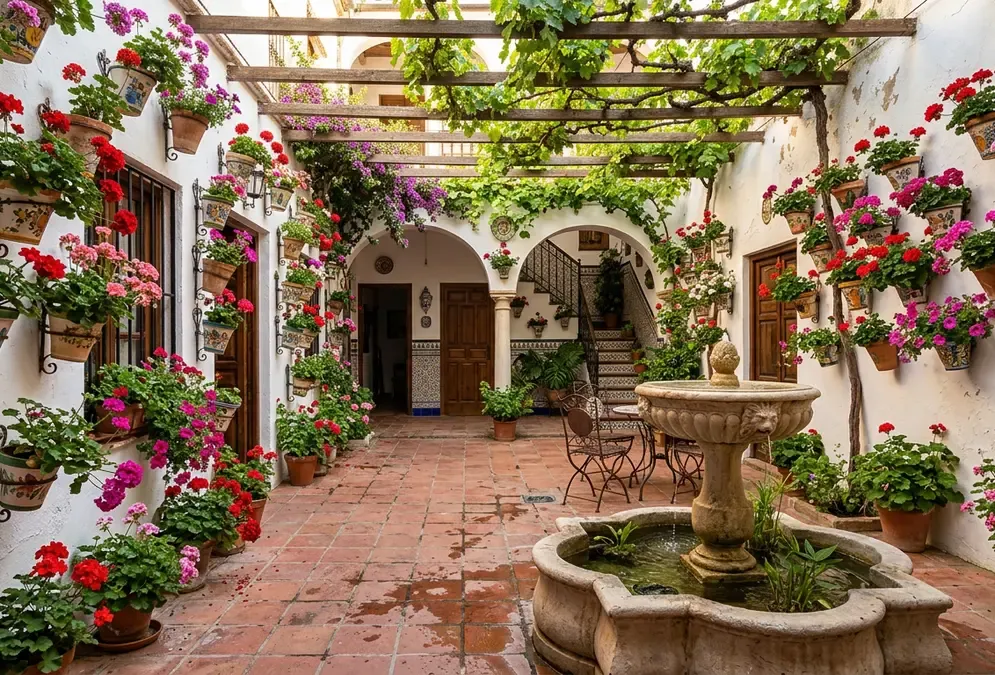
Why Córdoba's Patios Open for Only 14 Days a Year
Carmen Ruiz Montoya
Córdoba's famous patios are private homes, not museums. Six hard practical reasons explain why the 14-day festival window is all residents can offer visitors.
Read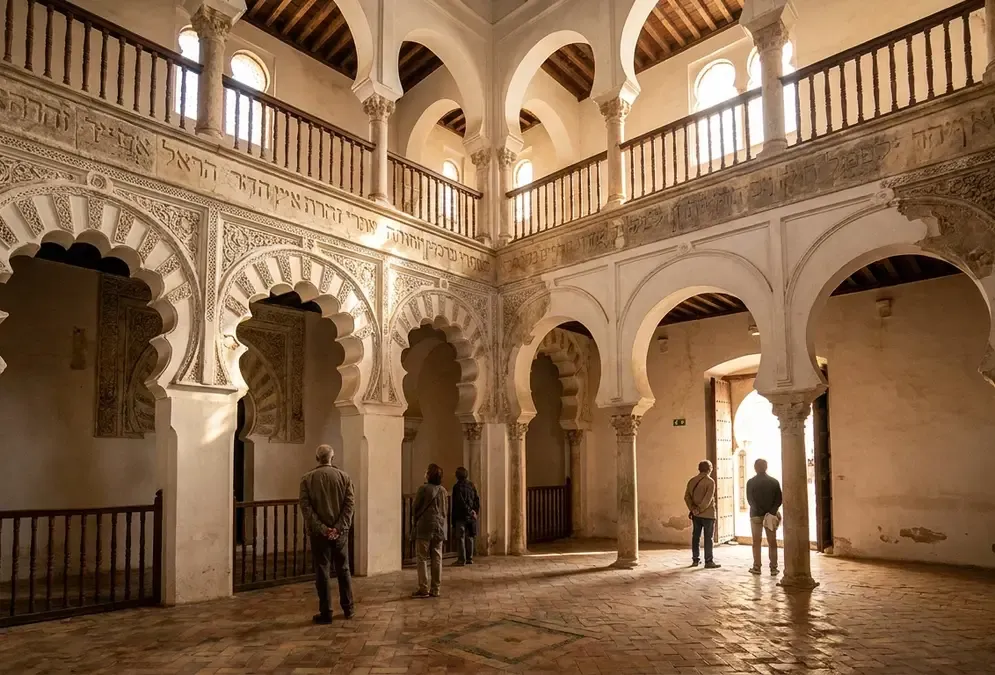
The Córdoba Synagogue's Five Lives Since 1315
Sophie Marchand
Built in 1315 as a private yeshiva, the Córdoba Synagogue survived pogroms, became a rabies hospital, then a cobblers' chapel, before rediscovery in 1885.
Read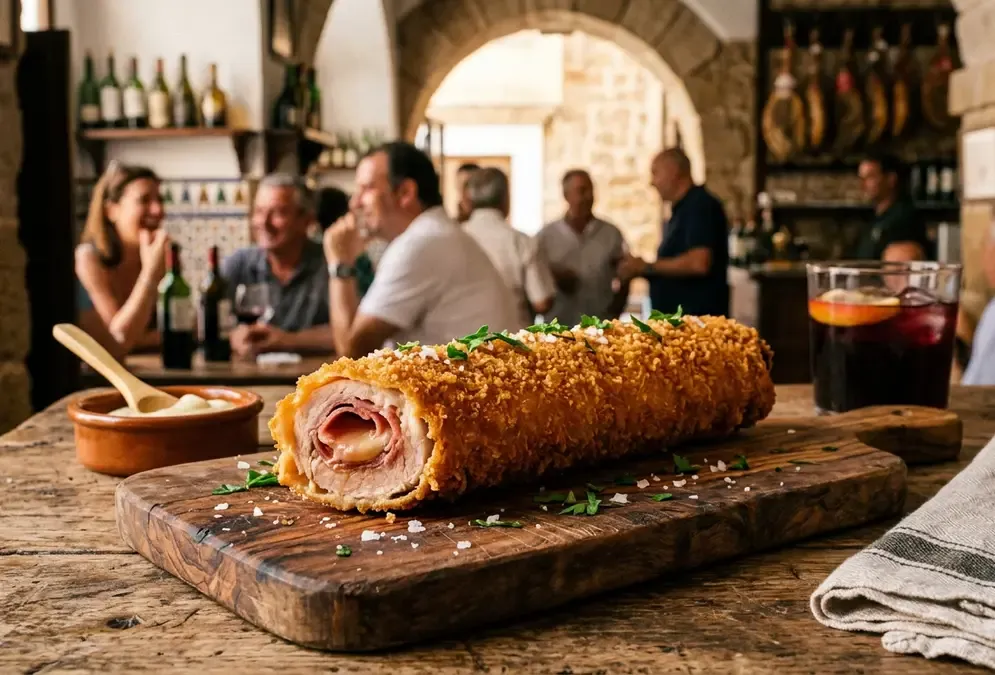
Flamenquín: Córdoba's Crispy Roll With a Disputed Past
Pedro Del Pozo
Flamenquín's origin is disputed between Córdoba and Andújar — but the crispy pork roll became a taberna staple in the 1960s. History, recipe, best spots.
Read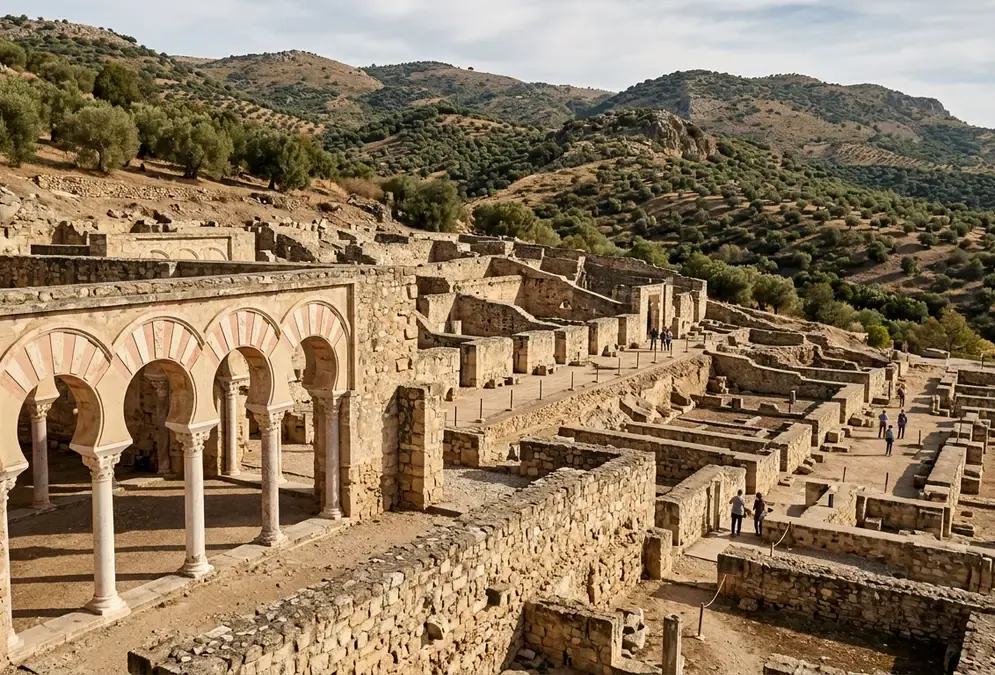
Medina Azahara: The Palace-City Buried for a Thousand Years
Sophie Marchand
Abd al-Rahman III built a 112-hectare palace-city 8 km from Córdoba in 936 CE. Sacked in 1010, buried nine centuries, now 9% excavated. How to visit today.
Read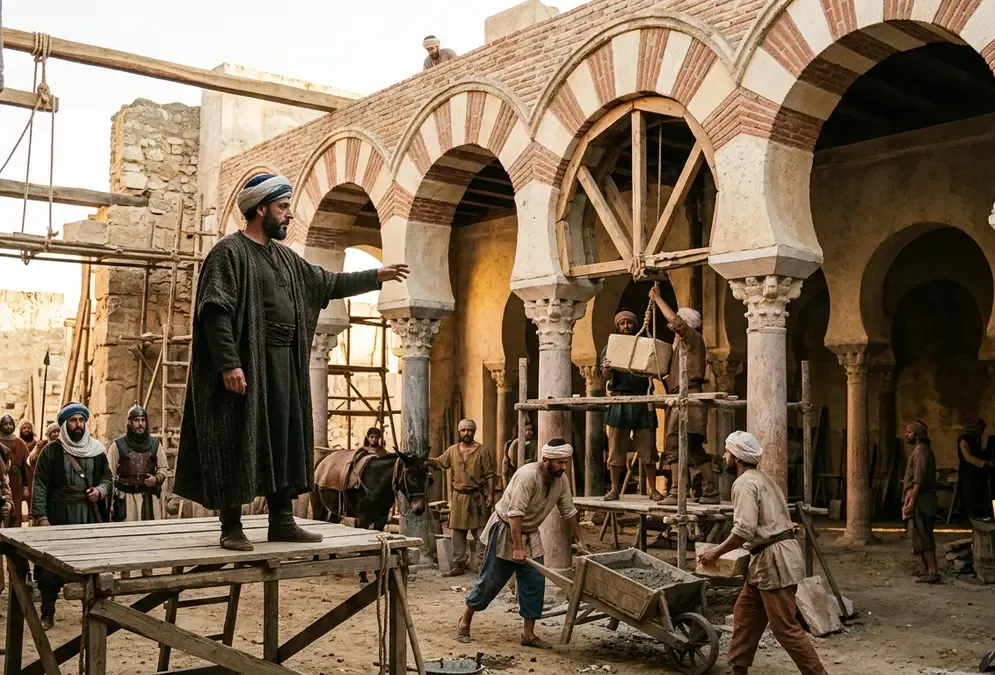
Abd al-Rahman I: The Fugitive Who Founded Córdoba
Sophie Marchand
In 750 CE, a 19-year-old Umayyad prince escaped massacre and fled across North Africa. Six years later he founded Córdoba's Emirate and built the Mezquita.
Read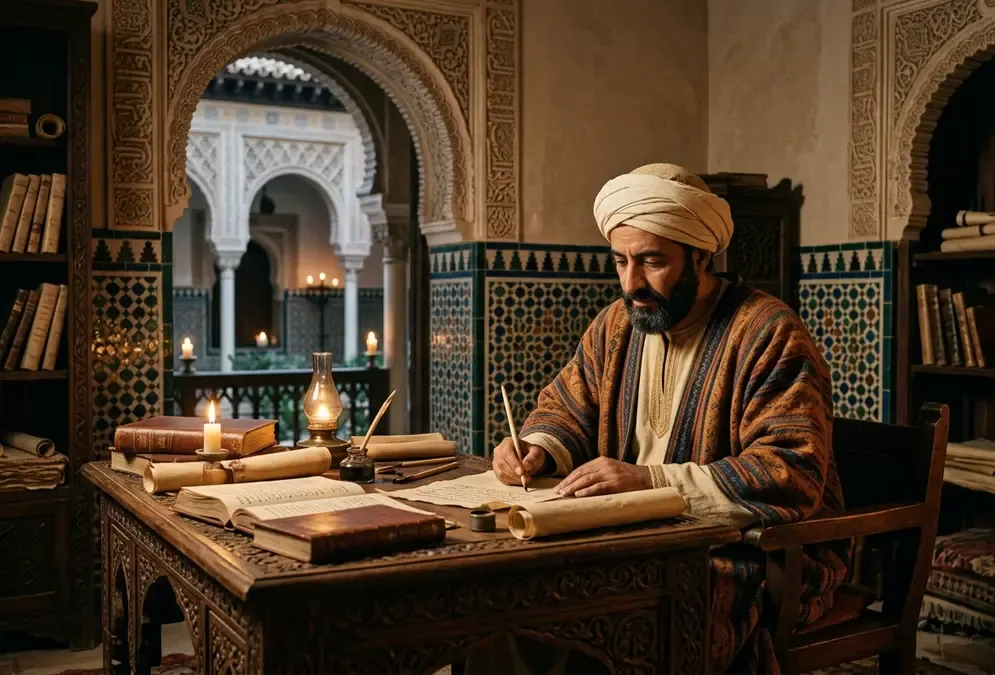
Ibn Hazm's Ring of the Dove: Córdoba's Love Treatise
Sophie Marchand
Ibn Hazm's Ring of the Dove (1022 CE) is the medieval Arab world's most searching analysis of love and one of the most readable books to survive Al-Andalus.
Read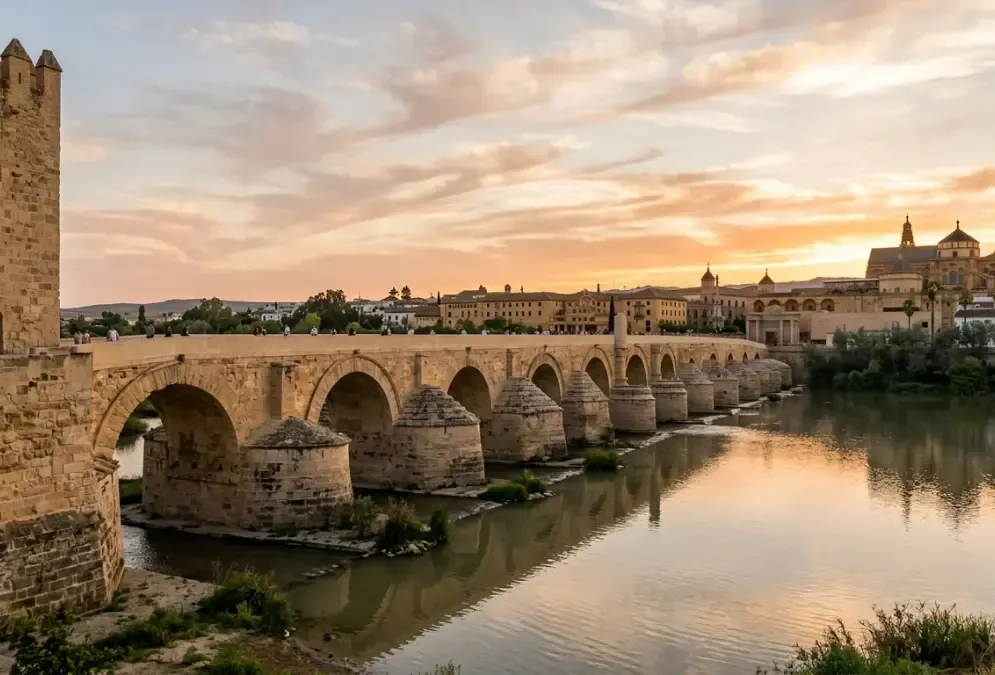
Roman Bridge Córdoba: Why It's Mostly Not Roman
Sophie Marchand
Only 2 of the Puente Romano's 16 arches are Roman. The rest is a 720s Umayyad rebuild, a millennium of flood repairs, and a 1651 Christian rebranding.
Read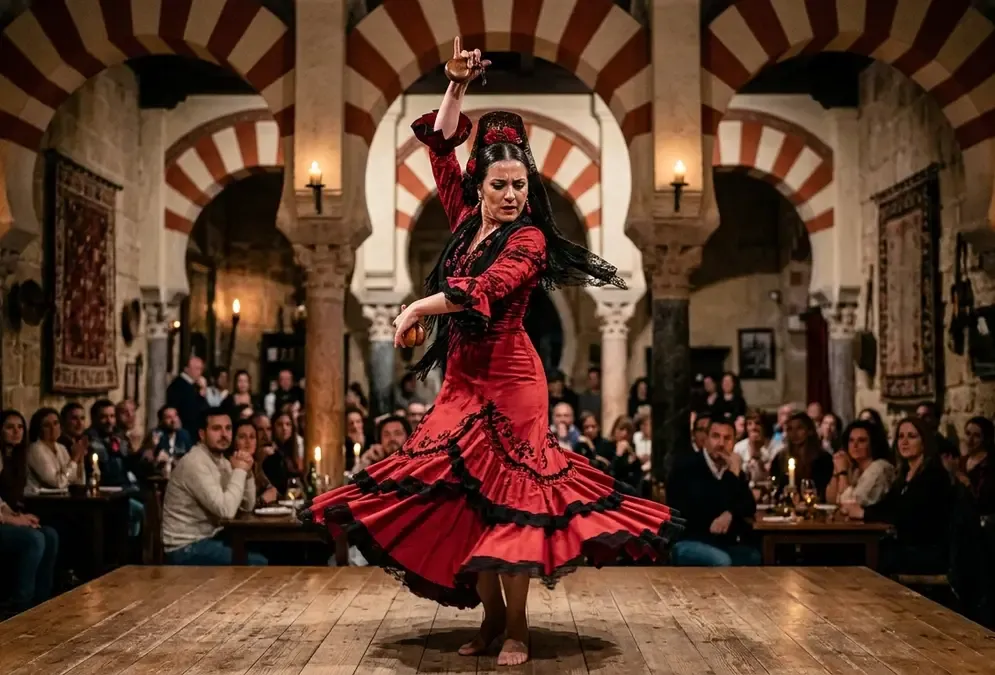
Sevillanas vs Flamenco: What Tourists Always Confuse
Sophie Marchand
Sevillanas and flamenco share roots but differ in structure, purpose, and training. A clear breakdown of what separates them, from copla to cante jondo.
Read