Articles
Stories, history, and planning essays from Córdoba (Page 3)
Long-form editorial pieces written by resident correspondents: cultural deep-dives, food traditions, and practical planning essays for visiting the city.
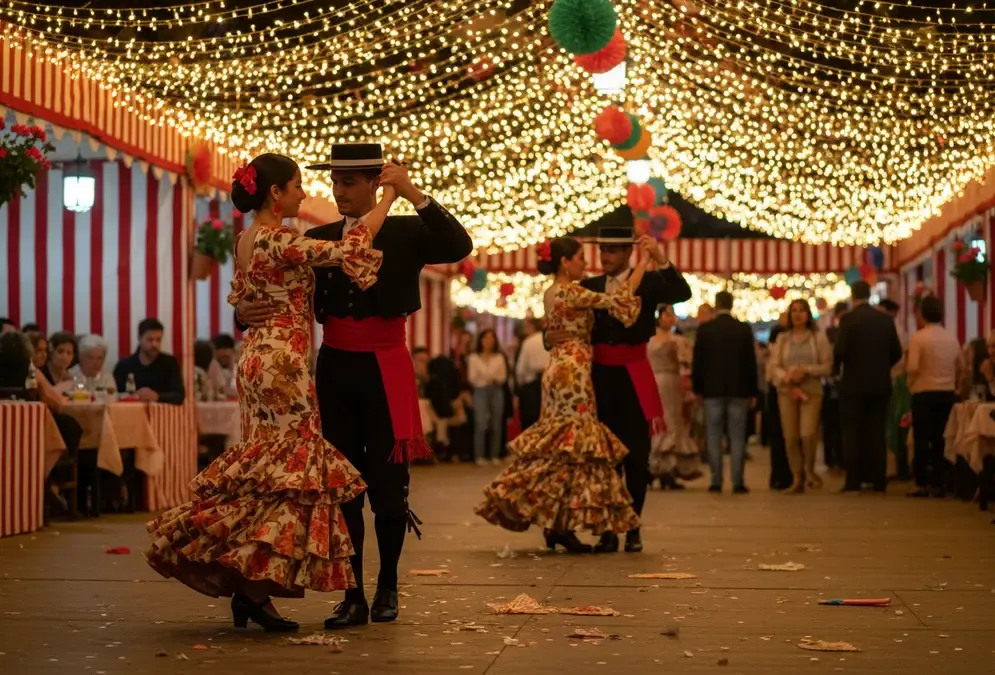
How to Dance Sevillanas at Córdoba's Feria
Sophie Marchand
Learn how to dance sevillanas at the Córdoba Feria. The 4-copla structure, paso, pasada, and braceo, explained for beginners joining the open casetas.
Read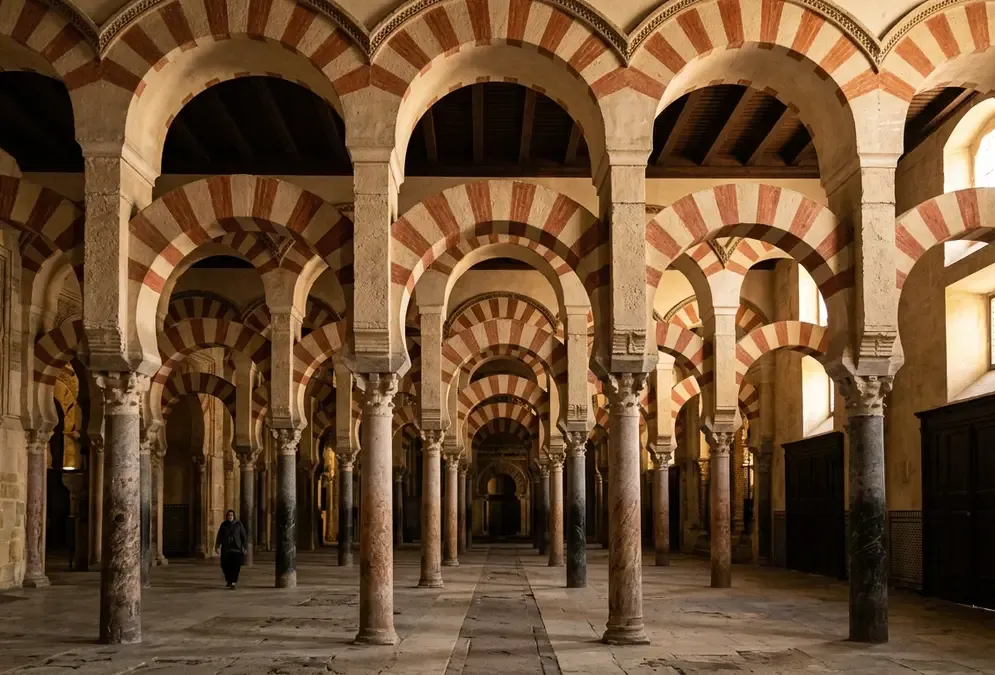
Horseshoe Arch Córdoba: How a Roman Form Went Global
Sophie Marchand
The horseshoe arch in Córdoba's Mezquita predates Islam by centuries. How Abd al-Rahman I turned a Visigothic structural form into the signature of an empire.
Read
Virgen de la Salud: The Story Behind Córdoba's Feria
Sophie Marchand
Two plowmen, a marble-coped well, and 200 years of healing devotion: the 1665 discovery that made the Virgen de la Salud patroness of the Feria de Córdoba.
Read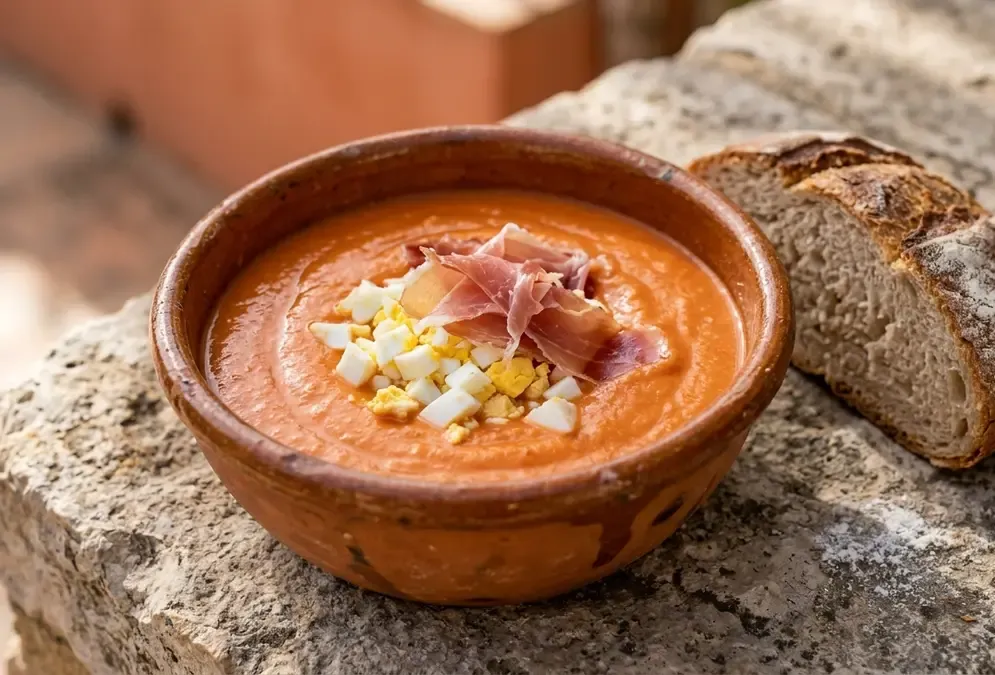
Salmorejo — The Córdoba Dish That Took 2,000 Years to Perfect
Pedro Del Pozo
Salmorejo's origin runs from Roman moretum to Moorish mazamorra to the tomato emulsion Córdoba refined over 2,000 years. The full history of the dish.
Read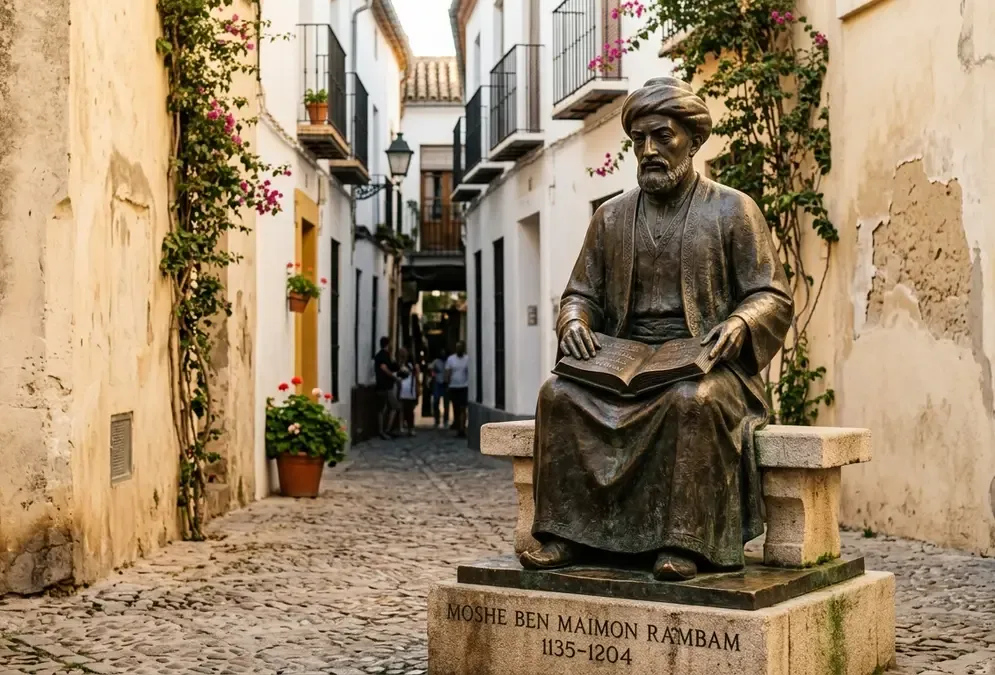
Maimonides: Córdoba's Philosopher Who Changed Judaism
Sophie Marchand
Born in Córdoba in 1138, Maimonides codified Jewish law, reconciled Aristotle with the Torah, and influenced Aquinas. His statue stands in the Judería today.
Read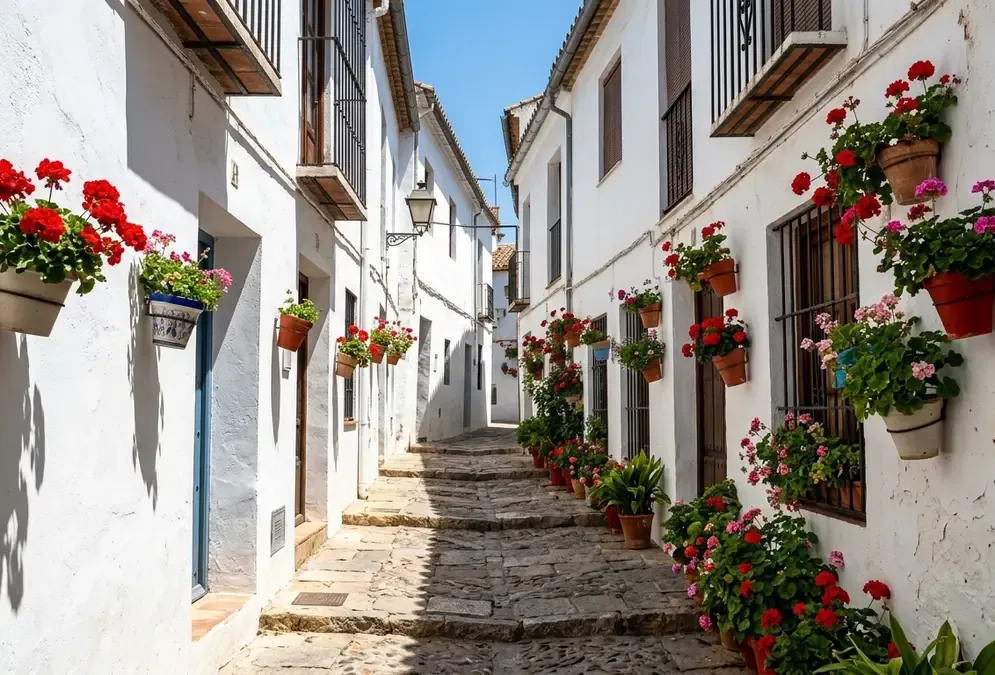
Why Is Córdoba So Hot? The Science Behind Europe's Hottest City
María Fernanda González
Córdoba records 46.9°C and averages 16 days above 40°C every year. Geography, climate science, and how locals in Europe's hottest city actually survive it.
Read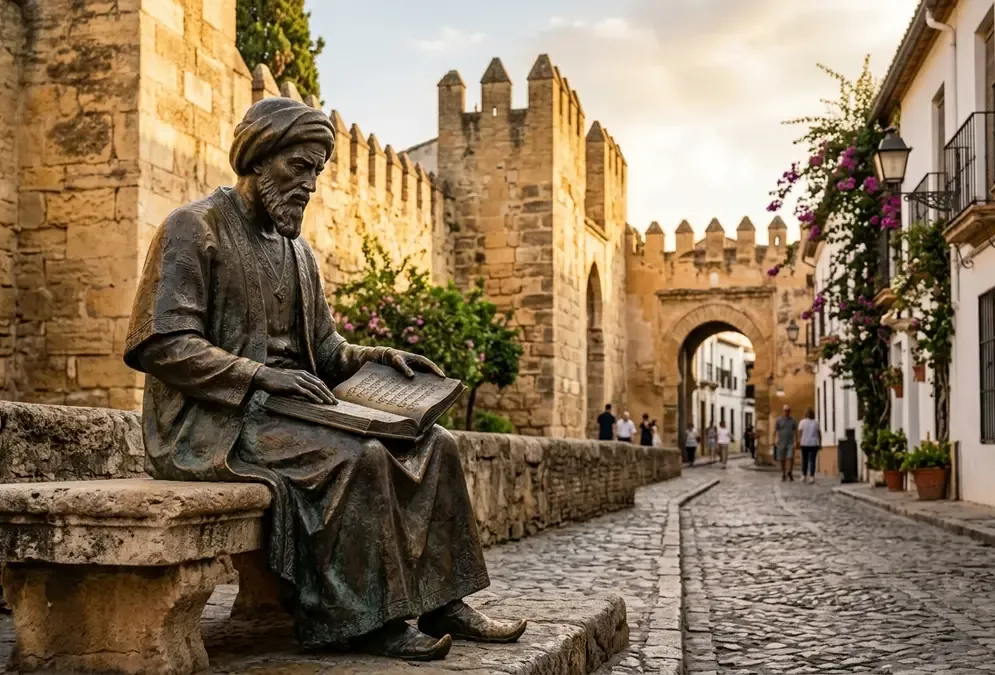
Averroes: Córdoba's Philosopher Who Saved Aristotle
Sophie Marchand
Born in Córdoba in 1126, Averroes wrote the commentaries that returned Aristotle to Christian Europe. Thomas Aquinas read him. Paris called him the Commentator.
Read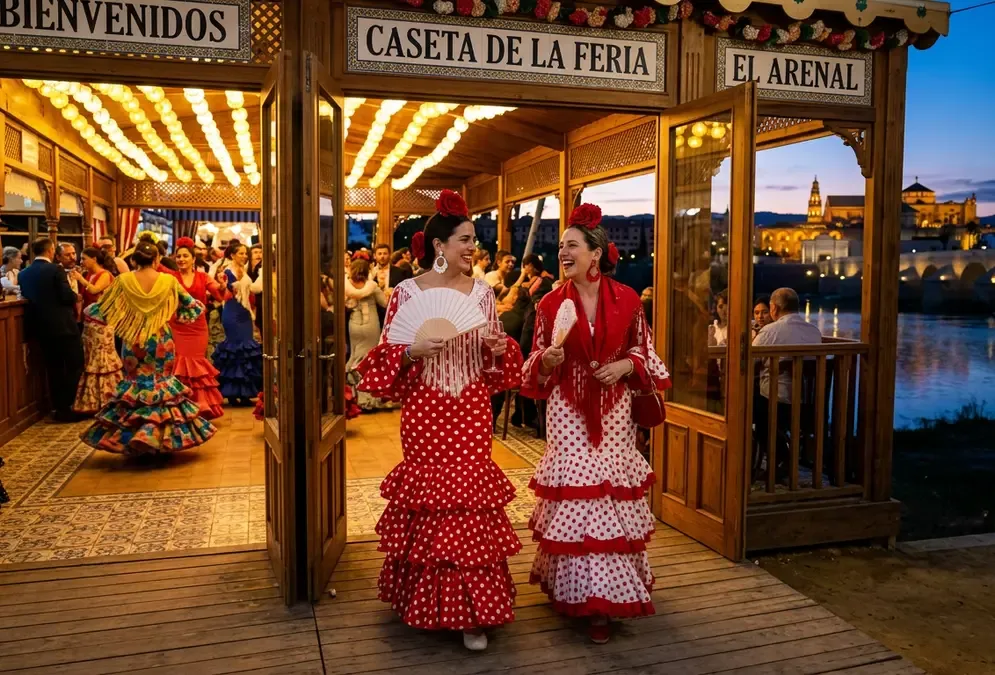
Feria Córdoba vs Seville: The Real Differences
Sophie Marchand
85 public casetas vs 1,253 private ones. Founded in 1284 vs 1847. Here is what actually separates Córdoba's feria from Seville's and why it matters to visitors.
Read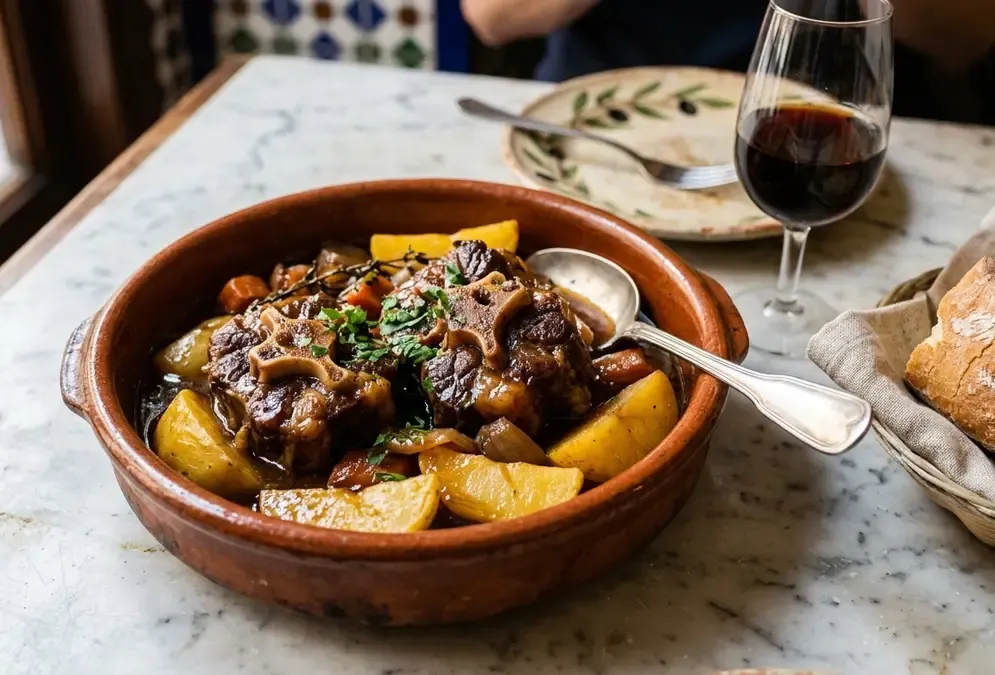
Rabo de Toro: Córdoba's Dish Born at the Bullring
Pedro Del Pozo
Rabo de toro began as offal from Córdoba's bullring, given free to working-class families. How a 19th-century survival food became a €30 taberna staple.
Read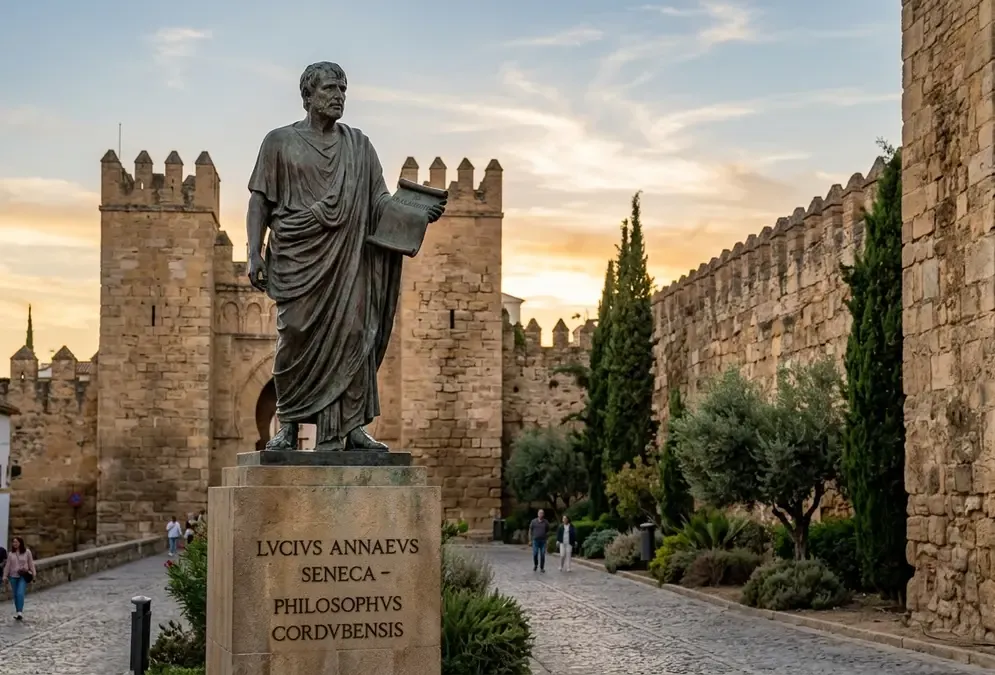
Seneca: Born in Córdoba, Philosopher to an Empire
María Fernanda González
Born in Córdoba around 4 BCE, Seneca was Rome's chief Stoic philosopher — tutor to Nero, author of 124 moral letters, and playwright who influenced Shakespeare.
Read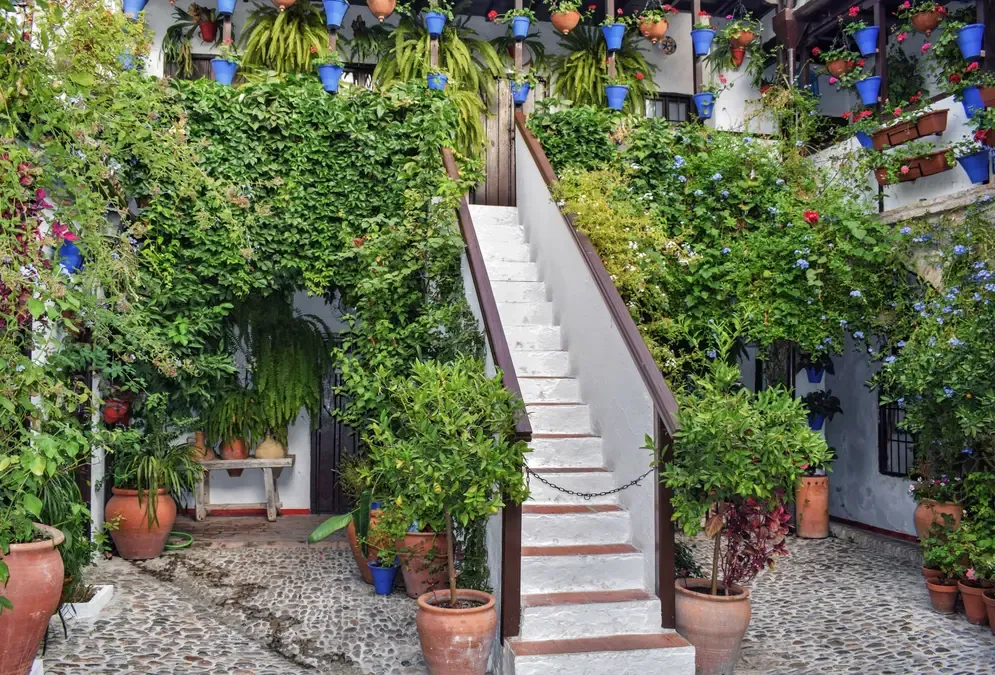
Córdoba's Patios: Why They Exist and Endure
María Fernanda González
Córdoba's patios stay 10–15°C cooler than the street. Two thousand years of Roman, Moorish and Christian engineering explain why, and why they still work.
Read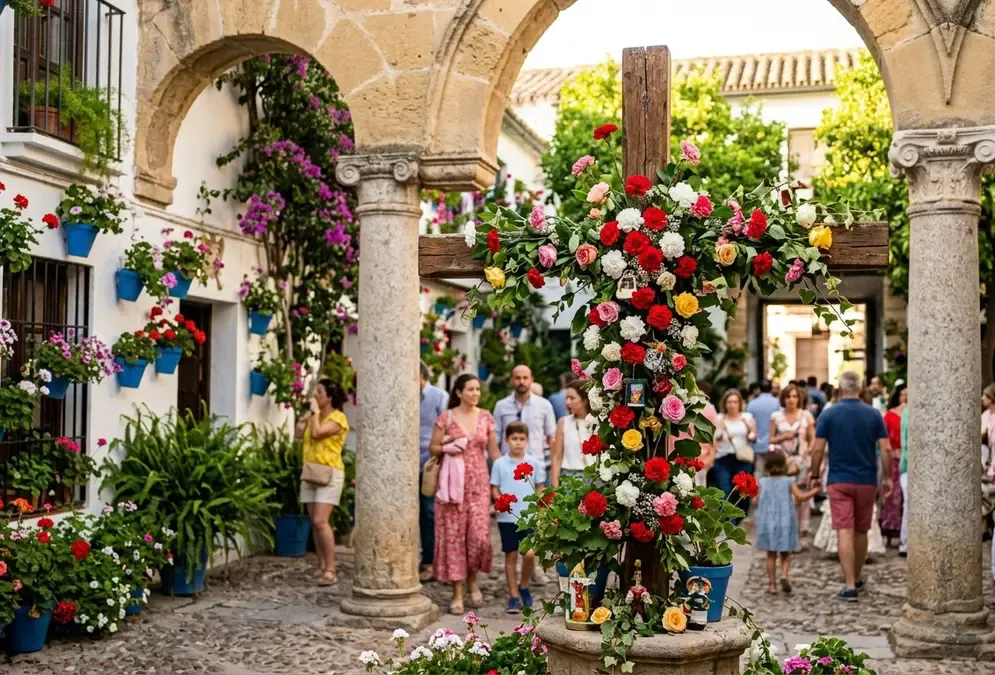
Cruces de Mayo: Pagan Spring Rite Turned Christian Festival
Carmen Ruiz Montoya
From Roman Floralia to the True Cross of Saint Helena: two millennia of religious syncretism shaped the flower-draped May crosses Córdoba celebrates today.
Read