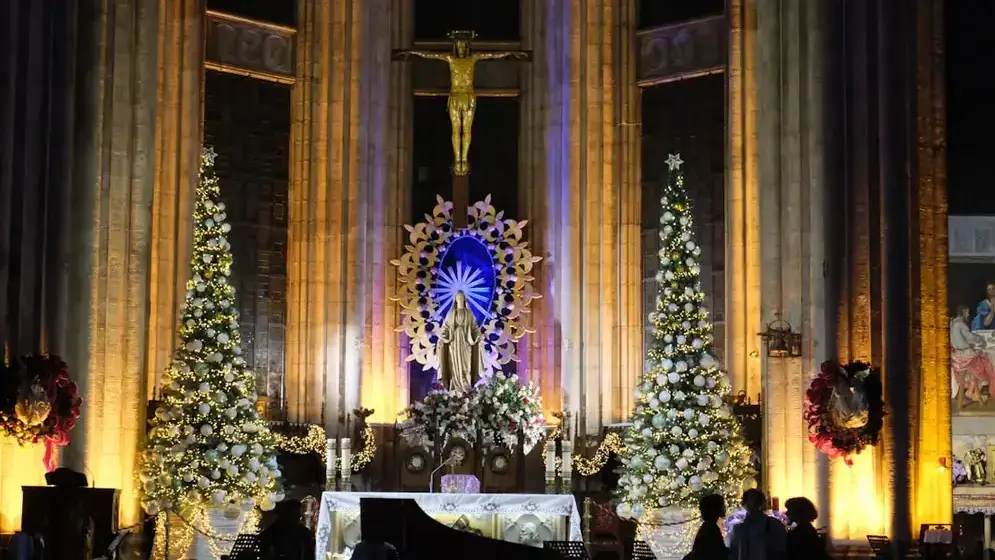

Córdoba's festive season runs from 1 December to early January under the 'Córdoba es Navidad' programme. It's not a tourist production — it's how the city actually marks the end of the year.
What actually happens
The Plaza de las Tendillas hosts the Christmas market with more than 20 artisan stalls — decorations, turrones (Spanish nougat), polvorones (Andalusian shortbread) and mantecados from Estepa. The historic centre feels genuinely festive, not just lit up.
Christmas illuminations run from 1 December across the historic centre. The Judería does particularly well — those narrow medieval streets and the light work well together. Walking from Plaza de las Tendillas down toward the Mezquita on a December evening, when the old stone walls catch the light and the temperature has finally dropped to something that justifies a coat, is a different city from the summer version.
The zambomba
The more interesting seasonal tradition is the zambomba. These are intimate flamenco evenings built around a traditional clay friction drum. Spontaneous gatherings in the city's flamenco peñas, where locals and visitors share song, dance and tapas. The atmosphere is close, warm and distinctly Andalusian — nothing like a stage performance. Ask at the tourist office for dates and venues, as these aren't widely advertised online.
If you can get to one, the zambombas are worth planning around. The music is seasonal in the truest sense: songs specific to December, sung by people who've known them since childhood. The peñas in the San Basilio and Centro neighbourhoods are the best places to look.
New Year's Eve
Córdoba's version of midnight involves the whole city gathering on the Plaza de las Tendillas to eat twelve grapes at the stroke of midnight — one per bell-toll, each grape supposedly bringing luck for one month of the new year. More than 20,000 people turn up. Arrive by 11 pm if you want a spot near the centre. The atmosphere beforehand is relaxed — restaurants nearby, people arriving in groups, children being carried on shoulders. At midnight it's genuinely joyful.
Three Kings Parade
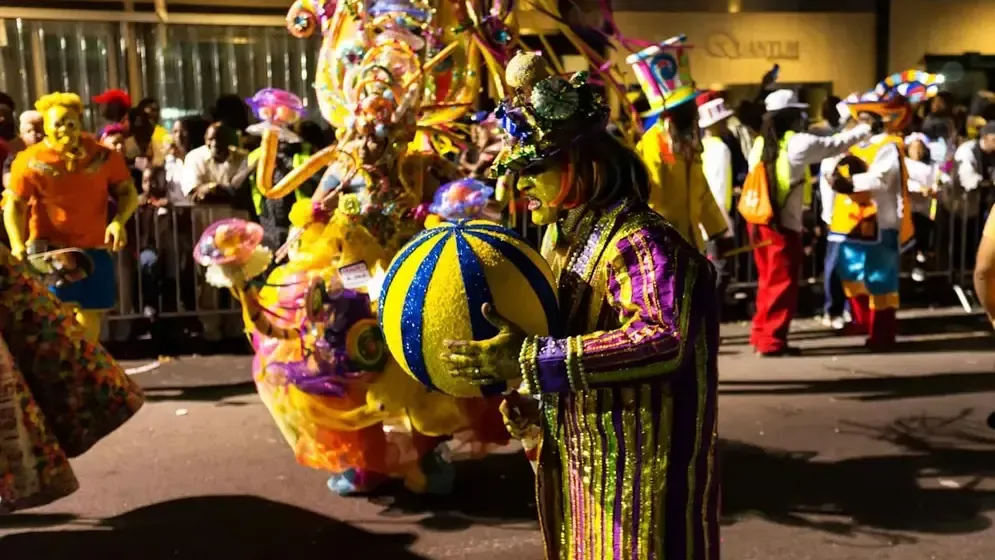
On 5 January, the Three Kings Parade winds through the city streets with decorated floats and thousands of sweets thrown into the crowd. The Three Kings pass in front of the illuminated Mezquita. The parade matters more than Christmas Day for Spanish families with children — the gift-giving tradition is on 6 January, not 25 December, so the night of the 5th carries a particular energy.
Practical information
Market open 10:00 am – 10:00 pm (variable hours on public holidays). Illuminations switch on from 6:30 pm. The best time for the market is weekends from late afternoon — that's when the atmosphere peaks. Free entry for everything. For zambombas, ask at the tourist office on the Calle Torrijos.