Search the site

photographersfamiliescouplesbudgethistory-buffssolo
May Crosses
Late April - early May Free Popular tradition

May Crosses: Córdoba's Flower-Decked Festival Before the Patio Season

Cruces de Mayo

29 April - 3 May 2026
5 days
Squares and streets in the historic centre and surrounding neighbourhoods
All events

On this page

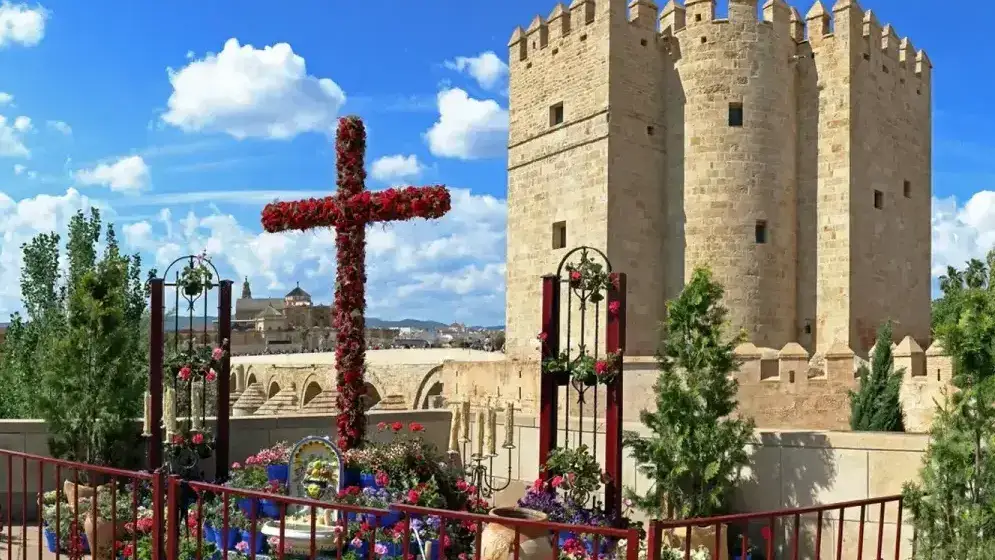
The May Crosses of Córdoba mark the start of the spring festivities, a few days before the famous Patio Festival. Across the city, monumental crosses go up decorated with flowers, silk mantones, colourful shawls and traditional objects. Every neighbourhood and association competes to build the most spectacular display around its cross. The tradition stretches back centuries — religious devotion and popular celebration braided together so tightly it's hard to separate them.

A three-category contest

A jury awards the best displays across three categories: historic centre, modern neighbourhoods and indoor spaces. The crosses in San Basilio and the Judería draw the most visitors. Around each cross, people dance, sing and share the first tapas of the festive season alongside a rebujito. It's the signal that spring has properly arrived.

What you actually see

These aren't small roadside shrines. The finest crosses are 3 to 4 metres tall, dense with geraniums, carnations, roses and lilies worked into tight compositions. Embroidered fabrics, handmade pottery and antique religious objects frame the flowers. Each neighbourhood brings its own character to the display — the crosses in Santa Marina have a different feel from those in Centro, slightly rougher and more genuinely devotional.

In the evenings, tables and chairs appear around the crosses, music plays, and the squares turn into something between an outdoor bar and a street party. Neighbours who organised the cross serve food and drinks to whoever turns up. It's the kind of event where locals are genuinely pleased when visitors stop to look — the competition is partly about showing outsiders what the neighbourhood can do.

How to visit

The crosses are scattered across multiple neighbourhoods, so it takes some walking. A practical approach: start in San Basilio in the early evening (around 7 pm), where the most decorated crosses and the most competitive displays are. Then work north toward the Judería and Centro as the night progresses. By 10 pm the music is louder, the crowds are warmer, and the crosses are lit up properly.

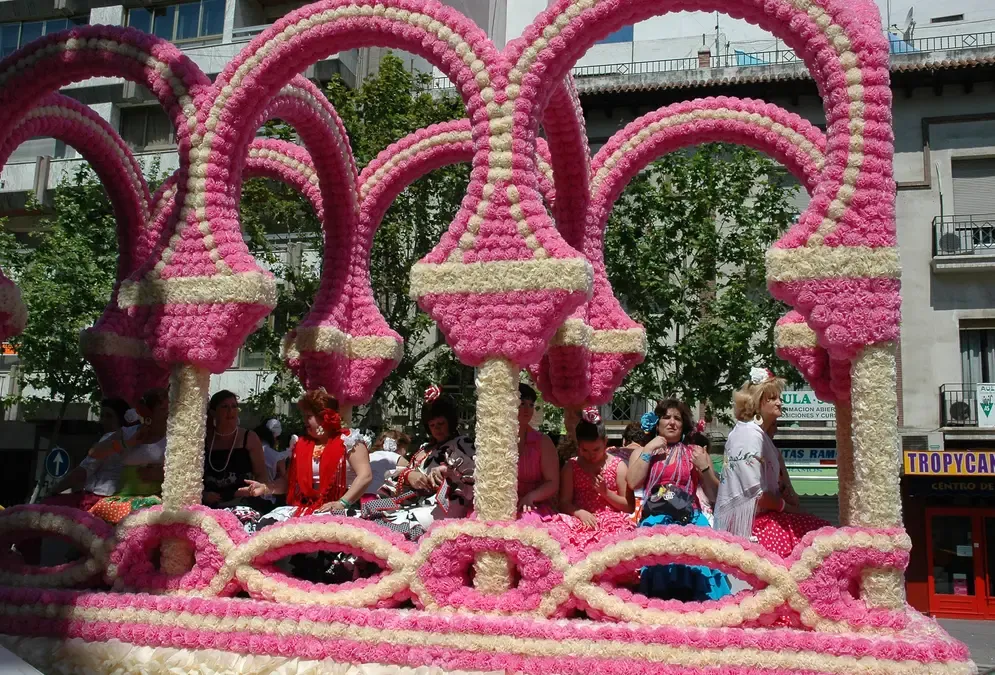
Combine with the Batalla de las Flores on 26 April — the flower parade that opens the same festive month — and with the first patios starting to open. The full spring programme makes a compelling reason to be in Córdoba in late April.

Practical information

The crosses are accessible from 12:00 to 02:00 continuously for 5 days (29 April – 3 May 2026). Evening is better — the crosses are lit, the atmosphere is up, and the heat of the afternoon has passed. Free entry for all. The best crosses are traditionally in San Basilio, Centro and Santa Marina.
Good for

Photographers Families Couples Budget History Buffs Solo Religious Cultural Nature Entertainment

Highlights

Monumental crosses decorated with flowersContest in 3 categoriesFestive prelude to the Patio FestivalFestive, musical atmosphere around the crossesCenturies-old tradition

Reporter notebook

Insider tips

Practical observations gathered the way a local journalist would keep them: short, specific, and more useful than brochure copy.

Crowd tip

Start at San Basilio, finish at Santa Marina

Most visitors cluster around the Judería crosses. San Basilio has the strongest displays but thins out by 9 pm as people drift toward the centre. Walk north to Santa Marina for the late-night atmosphere — rougher, louder, more genuinely local.

Local custom

The indoor crosses are the sleeper category

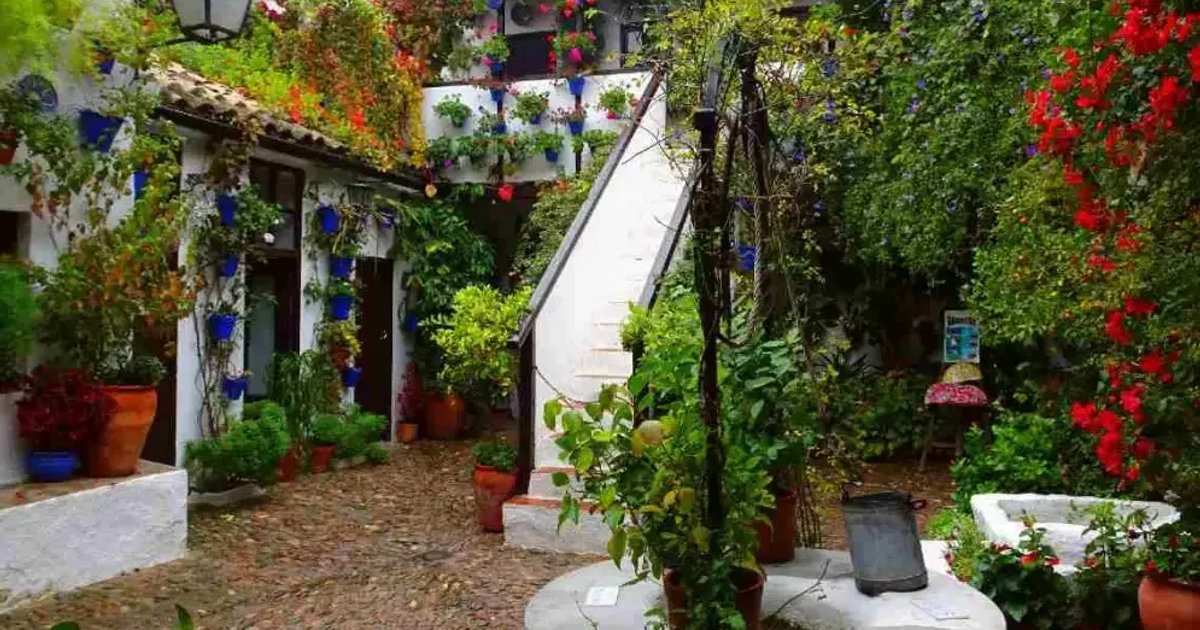
The 'lieux clos' category — crosses inside private patios and courtyards — gets less foot traffic but often has the most elaborate floral work. Look for small signs on doorways inviting you in. The judges take this category seriously.

What to bring

Bring cash for the neighbourhood bars around the crosses

The improvised food and drink stalls run by neighbours rarely take cards. A few euros buys rebujito and tapas served from a folding table beside the cross. This is where the festival happens — not in the restaurants nearby.

Practical information

When
Late April - early May
Hours
12:00–02:00 continuously
Location
Squares and streets in the historic centre and surrounding neighbourhoods
Price
Free
Best time
Evening for the festive atmosphere and illuminated crosses

Planning tip

Combine with a visit to the first patios beginning to open

Frequently asked questions

When are the May Crosses in Córdoba 2026?

The Cruces de Mayo run from 29 April to 3 May 2026, five days in total. The crosses are open daily from noon to 2 am. Evening visits — from around 7 pm — are the better bet, when the crosses are lit and the neighbourhoods come alive.

Is the May Crosses festival free?

Yes, completely free. No tickets, no entrance fees, no reserved areas. Food and drink at the neighbourhood stalls costs a few euros — bring cash, since card readers are rare at the improvised setups around the crosses.

What are the opening hours for the May Crosses?

The crosses are accessible from 12:00 (noon) to 02:00 (2 am) every day of the festival. They stay open continuously — there's no midday break. That said, the afternoon sun makes for uncomfortable visiting; from 6 pm onward the atmosphere is better and the crosses are properly lit.

How many crosses participate in the Cruces de Mayo competition?

Typically around 50 to 60 crosses compete across the three categories — historic centre, modern neighbourhoods and indoor spaces. Each is built and maintained by a neighbourhood association or cultural group, which also runs the food and drink stalls alongside it.

When is the prize-giving ceremony for the May Crosses?

The jury visits the crosses during the festival days and the results are announced at the end of the event, usually on 3 May. The Ayuntamiento de Córdoba publishes the winners on its website shortly after. Prize-giving is a civic affair, not a public spectacle — but the winning associations celebrate openly at their cross that evening.