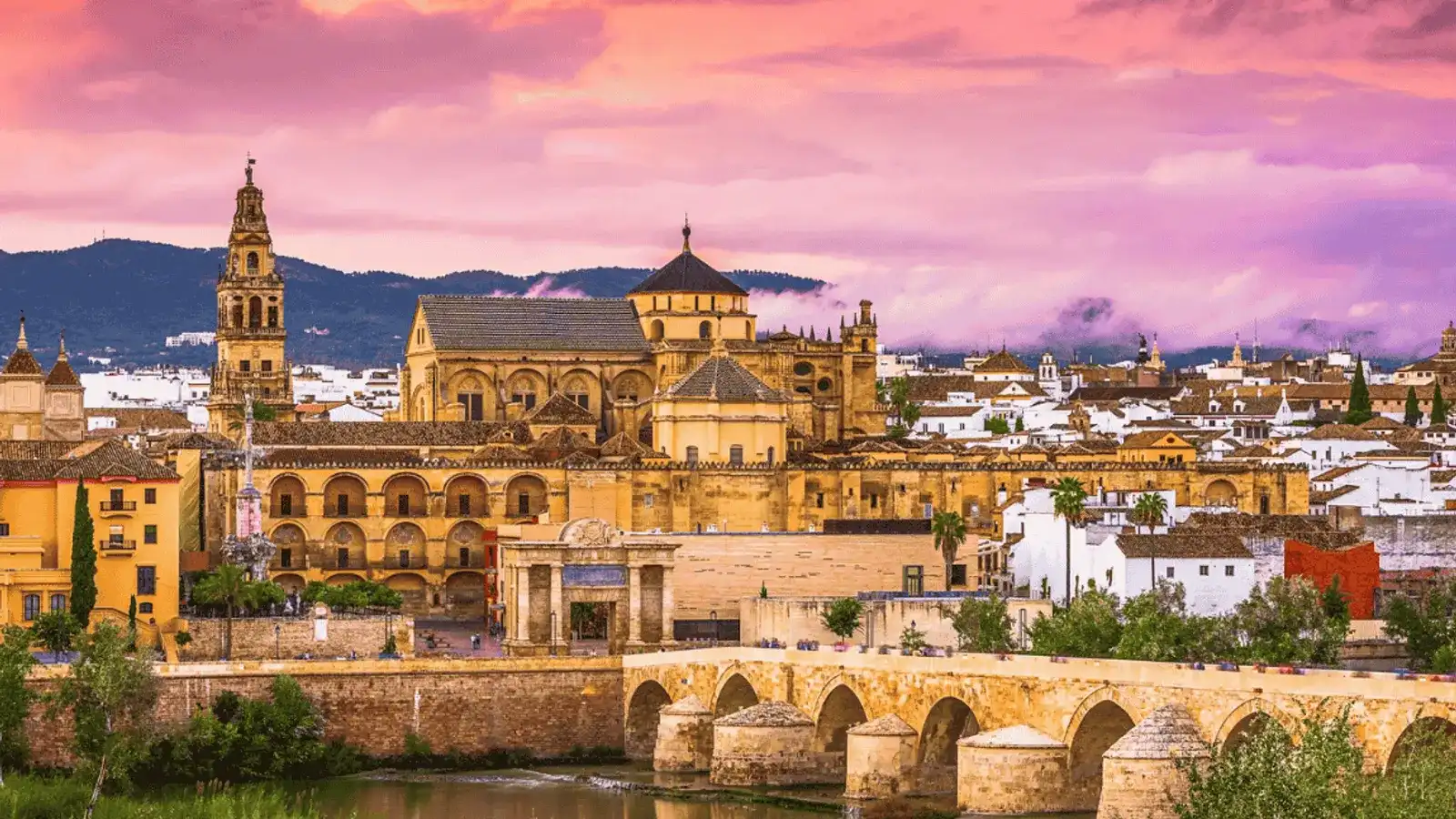


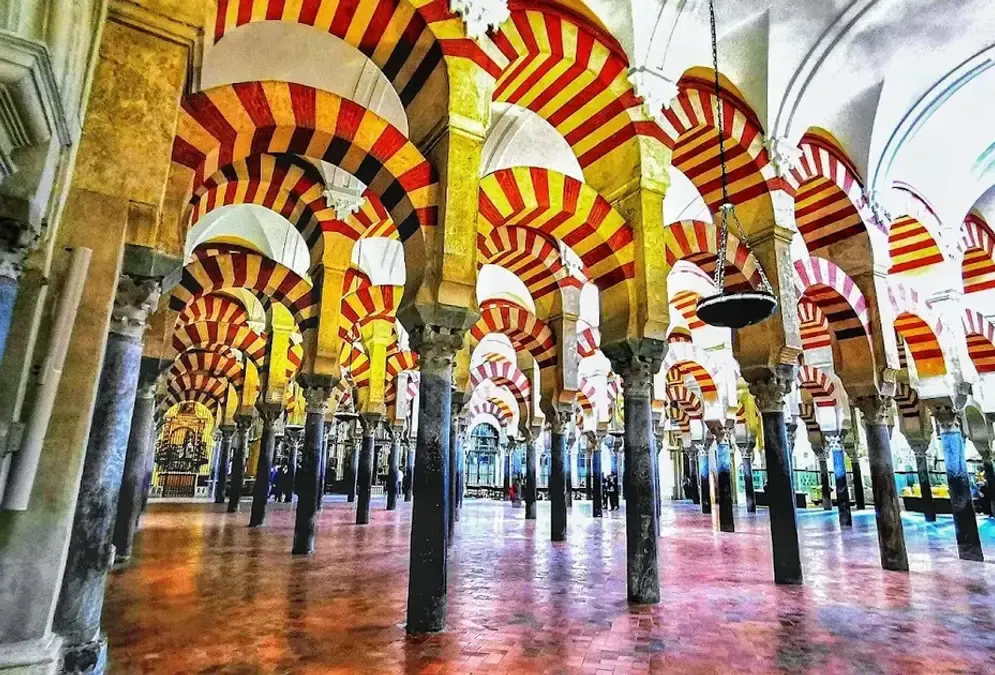

Mezquita-Catedral de Córdoba
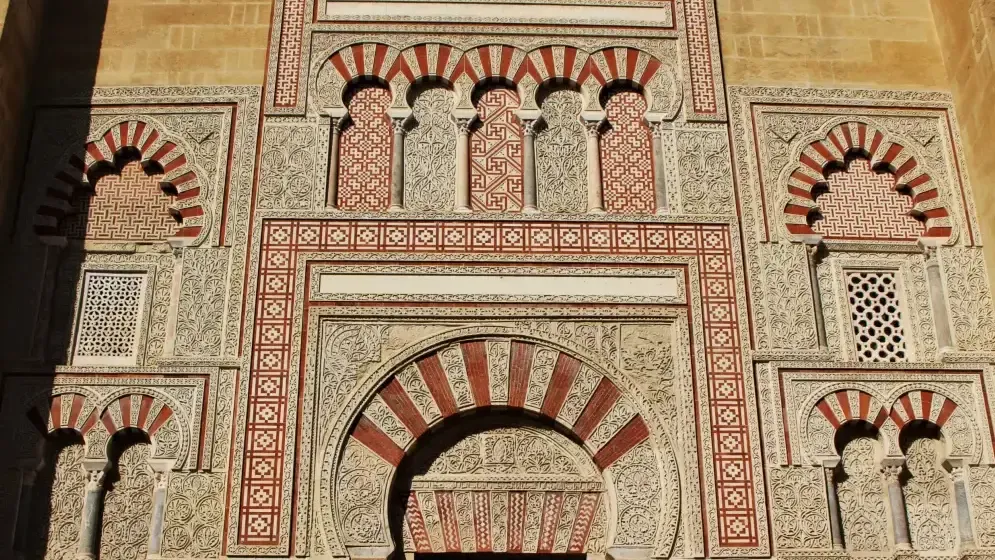
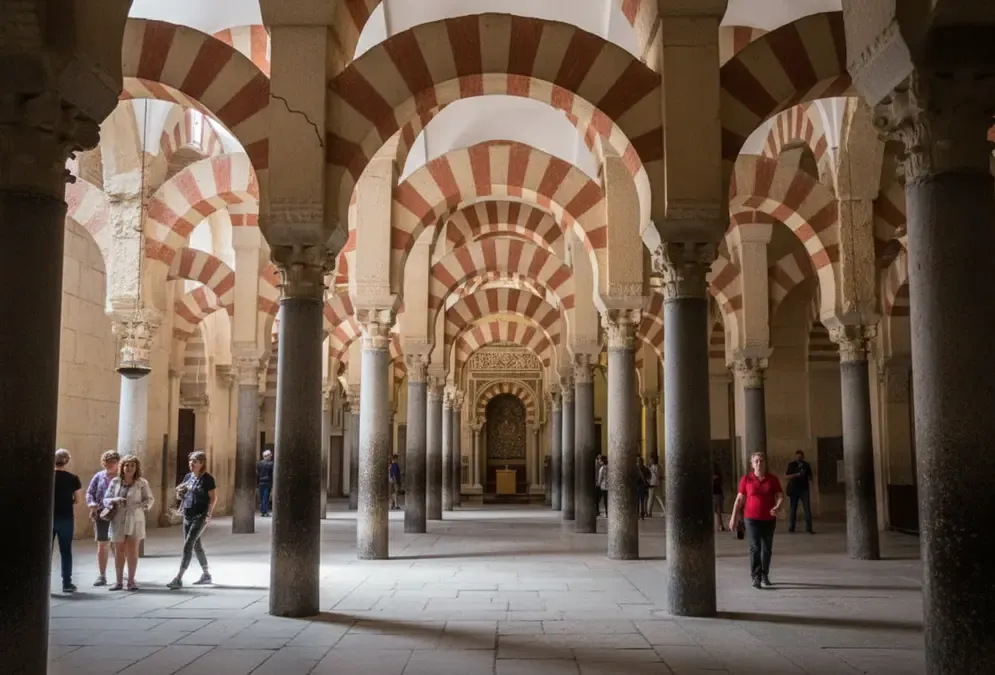
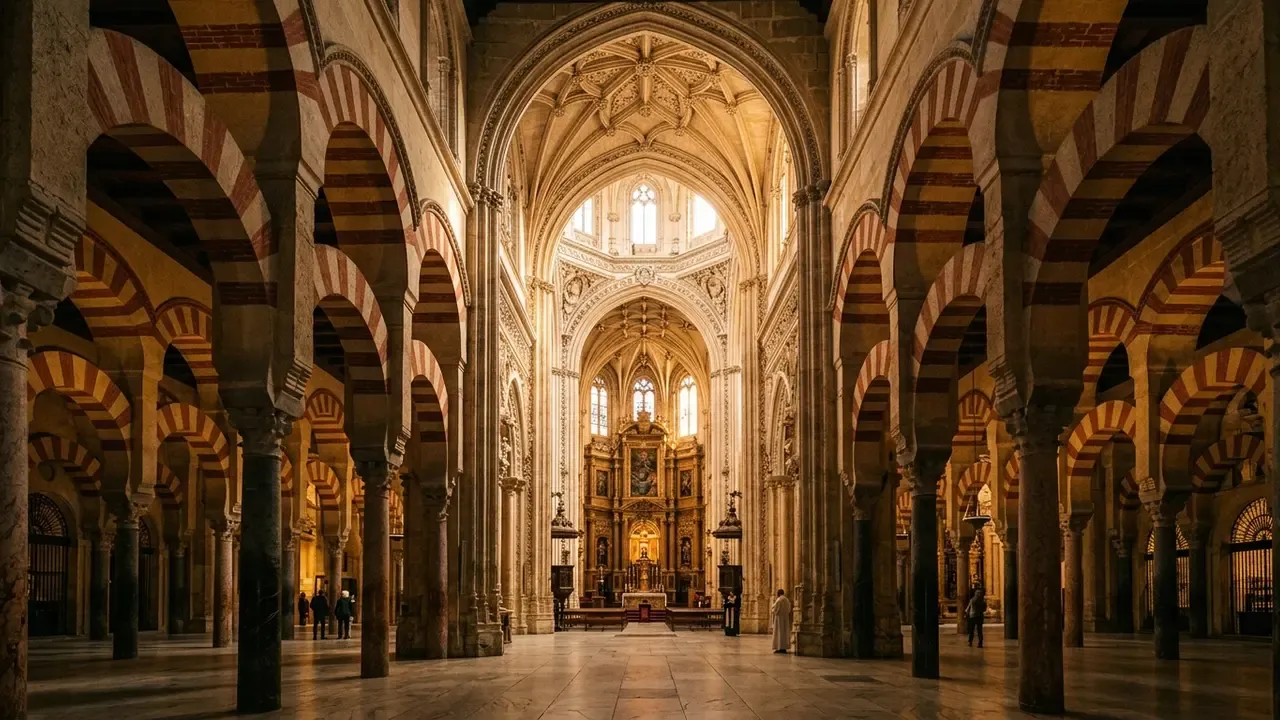
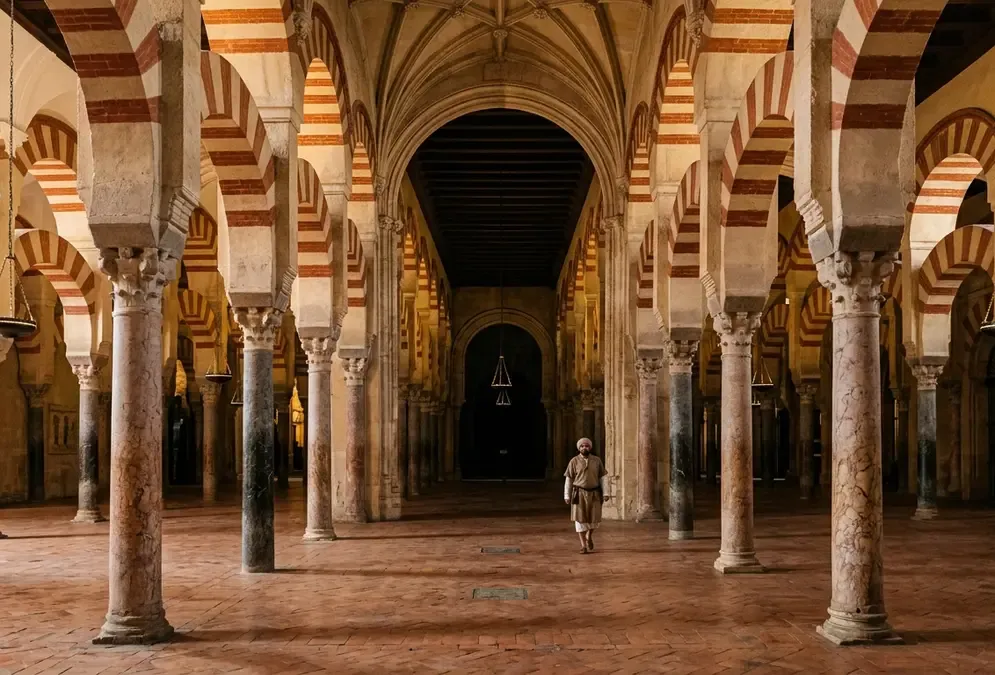
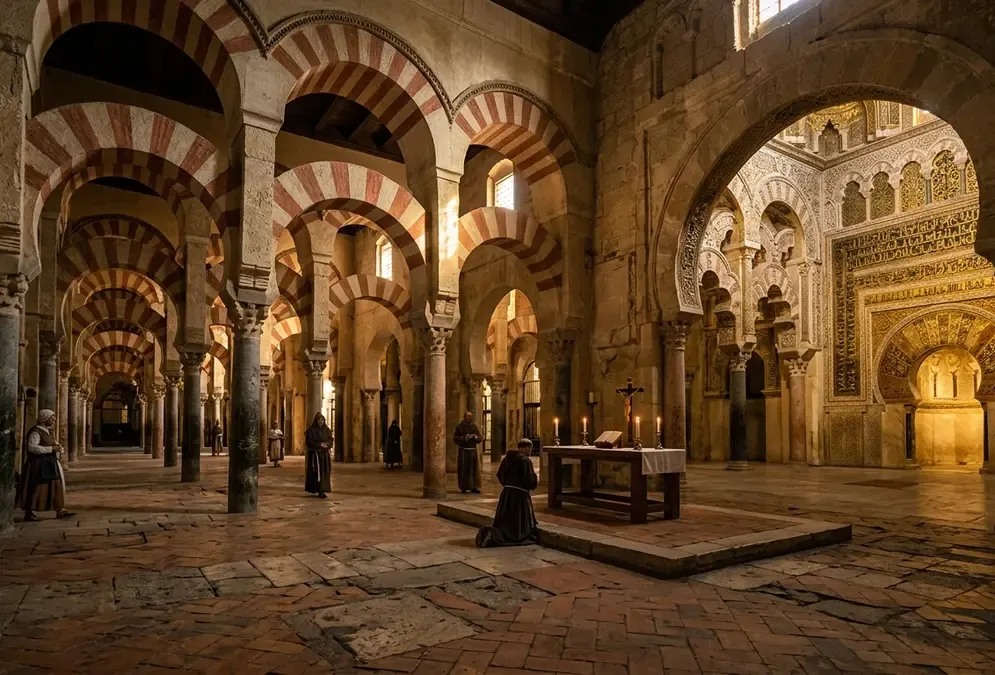
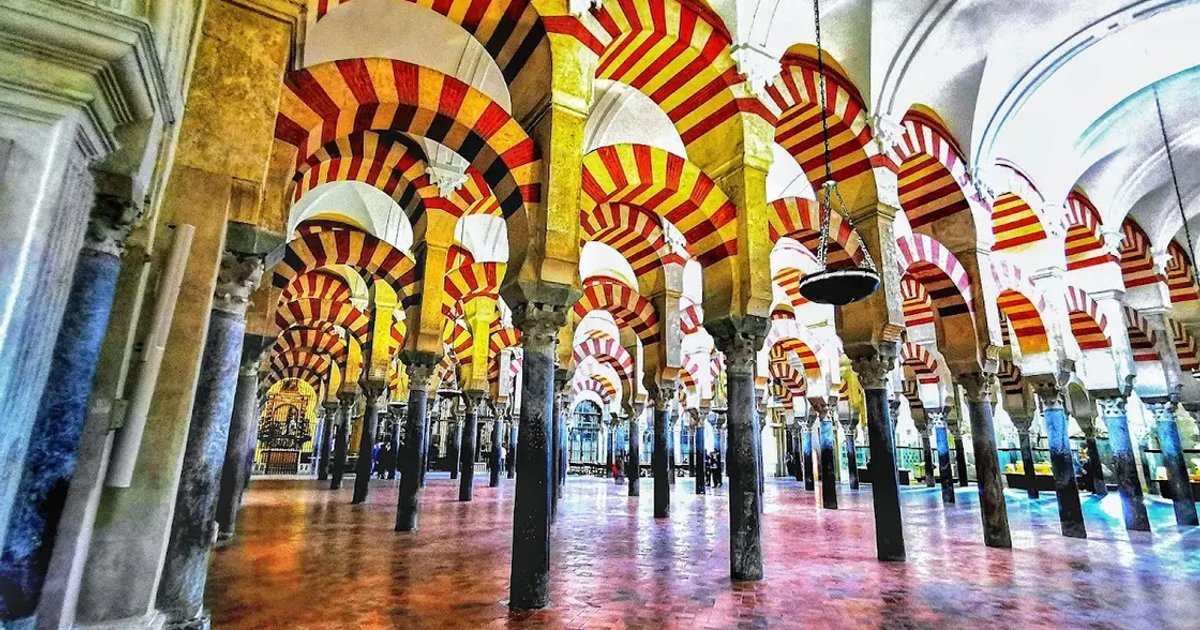
856 columns, 1,300 years of Islamic and Christian history inside one UNESCO building. Red-and-white arches, Byzantine mosaics, and a Renaissance nave.
Andalusia travel guide 2026
Córdoba awaits. Find your inspiration, choose how long you want to stay, and build an itinerary that fits your pace, your budget, and the season.
Patios, Holy Week and ideal weather make spring the city's biggest season. Expect beauty, crowds and earlier booking.
Plan routes, queue timing and how to approach Córdoba's signature spring event.
Understand what changes in the city when flowers, festivals and crowds peak together.
Use the procession routes and timing advice if your dates overlap with Semana Santa.
The city works best with early monument visits, long siestas and stronger evening plans once the heat drops.
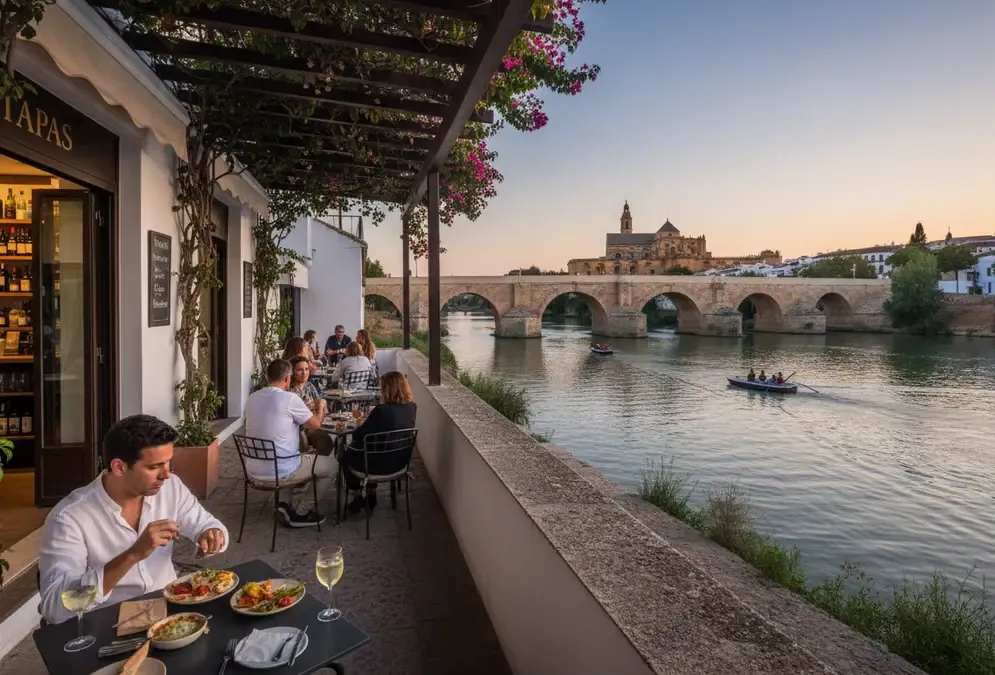
Night visits, riverside walks and late dinners matter more in the hottest months.
Use the summer guide to avoid the worst hours and plan around the heat.
Indoor evening culture works especially well when the daytime heat is heavy.
Autumn is the calmer high-value season: warm light, easier bookings and better conditions for food and day trips.
See why autumn is often the best trade-off between weather, atmosphere and lower pressure.
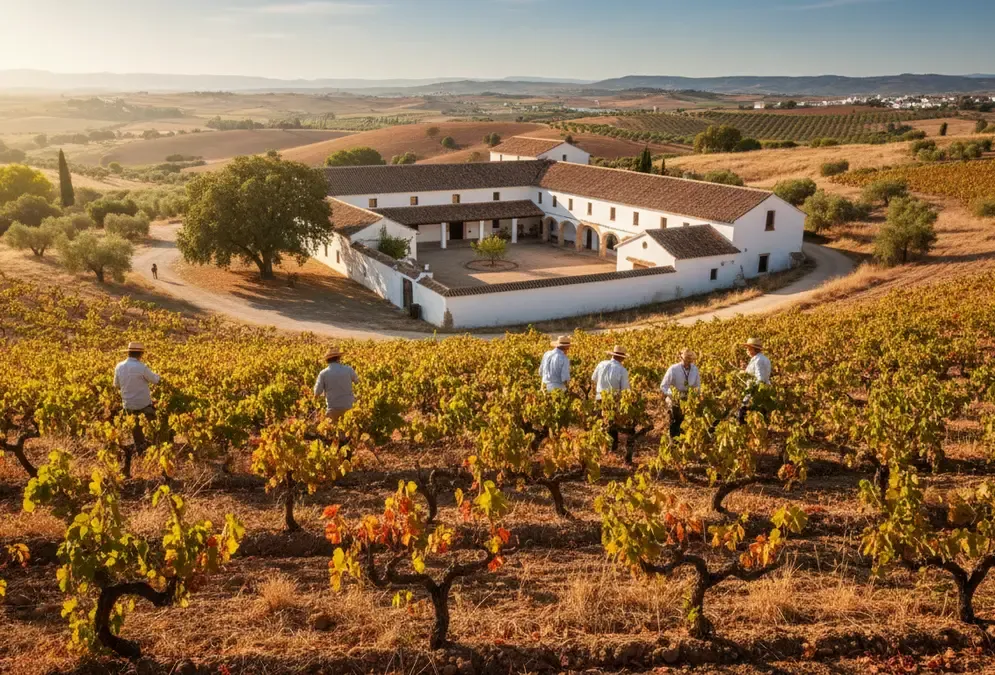
Harvest season makes the nearby wine country especially compelling in early autumn.
Food-first trips become easier once the heat softens and long lunches feel realistic again.
Winter is quieter, easier and often underrated: fewer queues, softer light and more breathing room around the classics.
See what winter changes in the city and where the season becomes an advantage.
Off-radar places make more sense when the city is calmer and easier to wander.
Lower crowds make winter one of the easiest moments to do the flagship visit well.
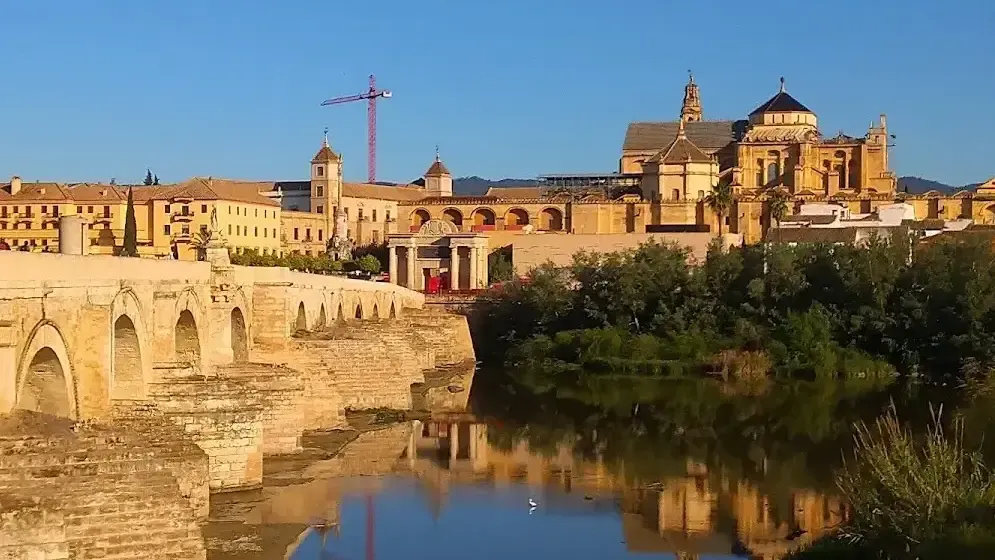
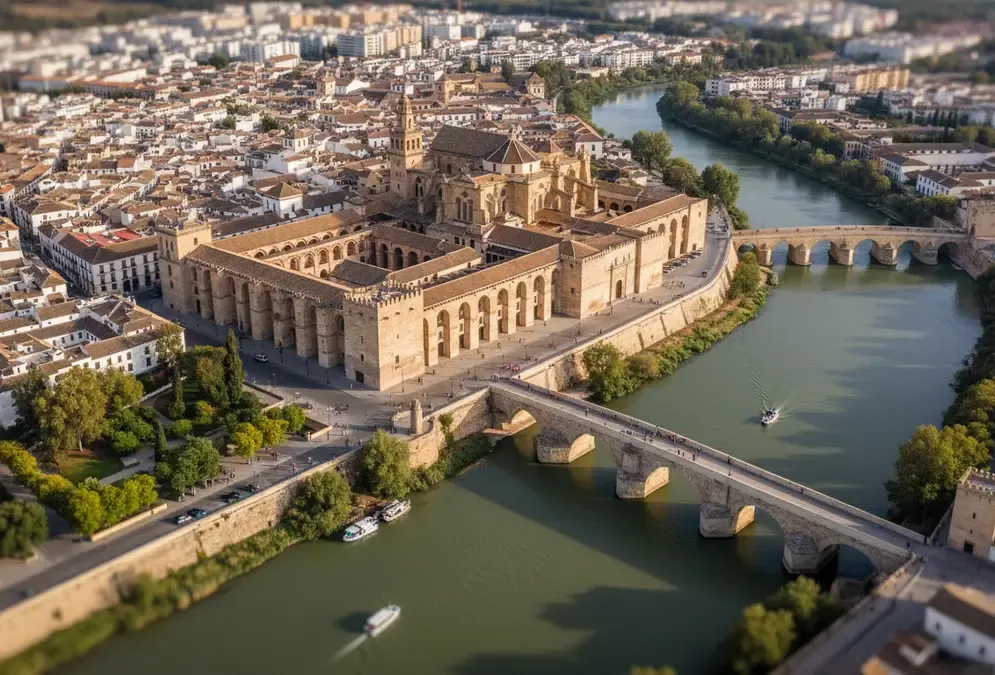
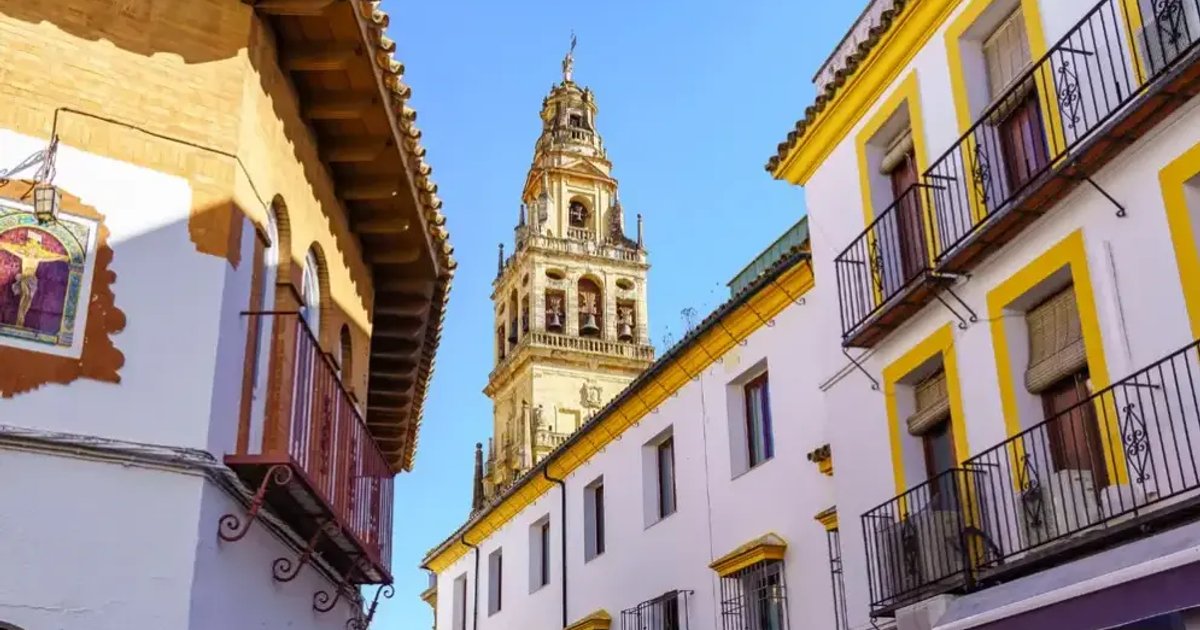
The Mezquita, the Alcazar, the Roman Bridge - 1,300 years of architecture within a 20-minute walk.
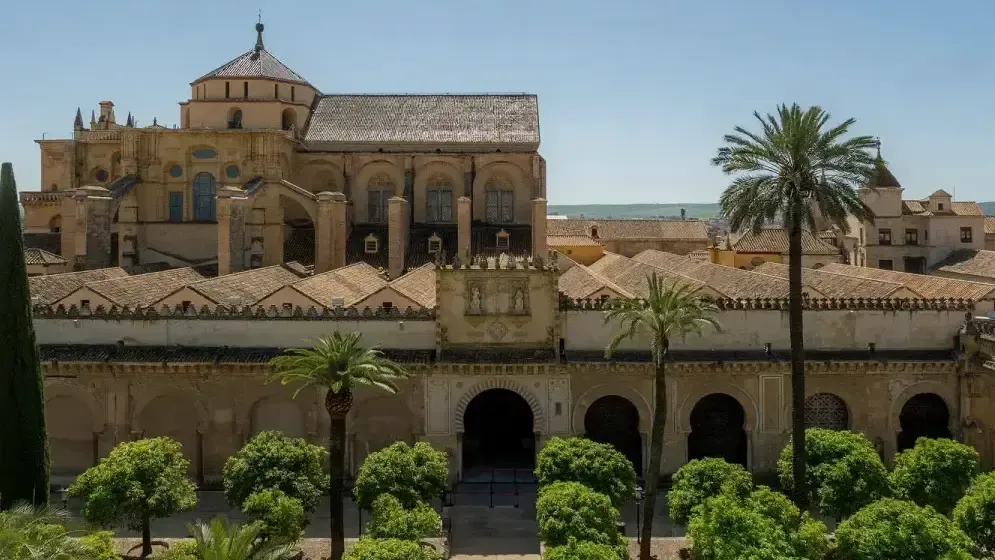
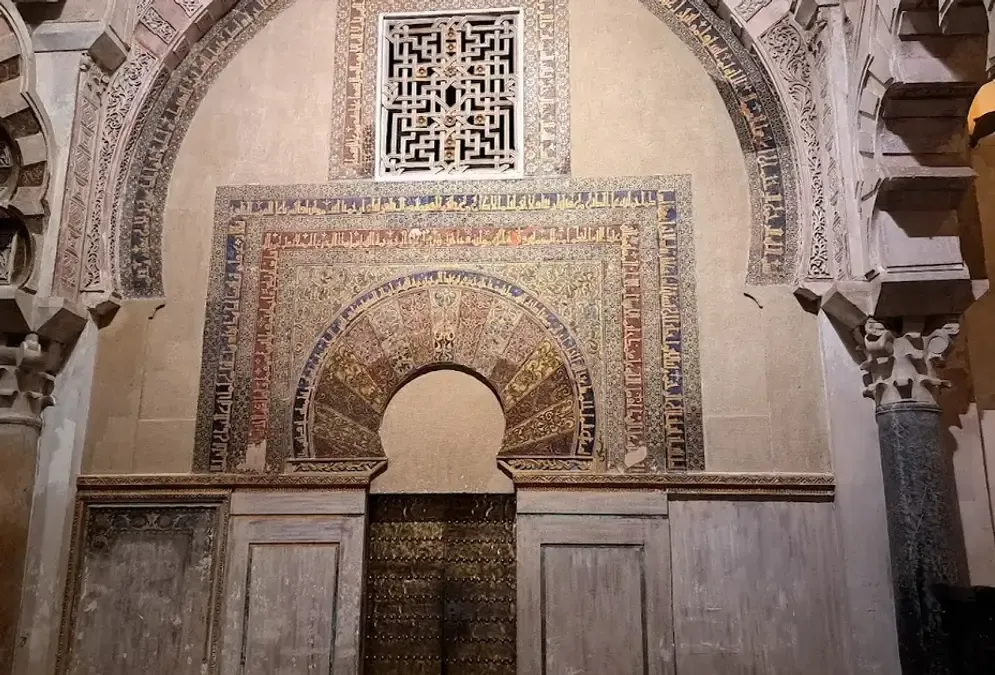
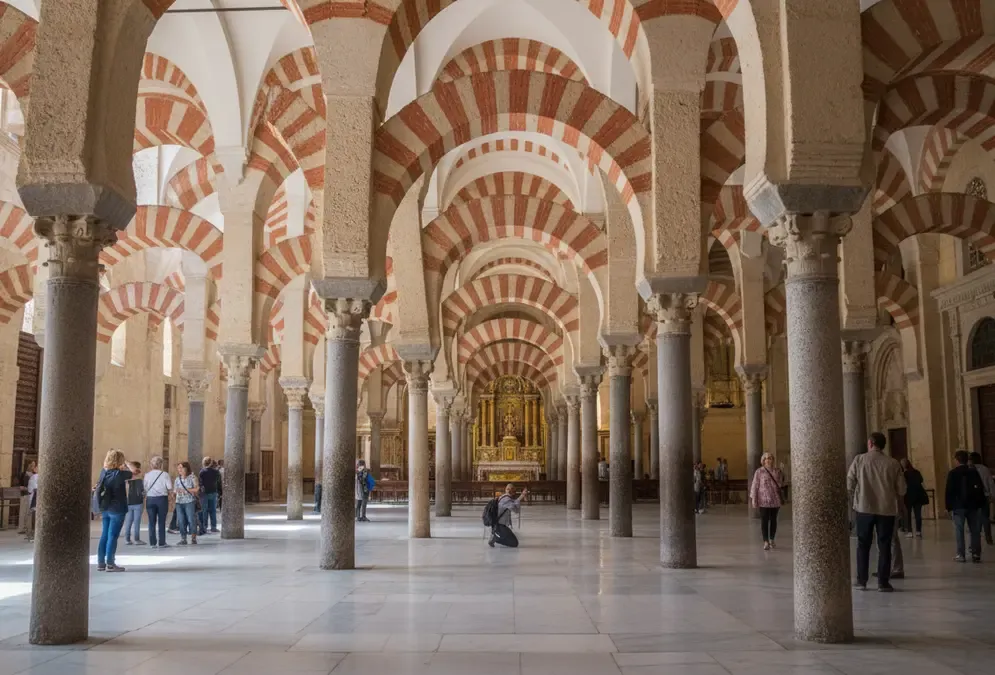
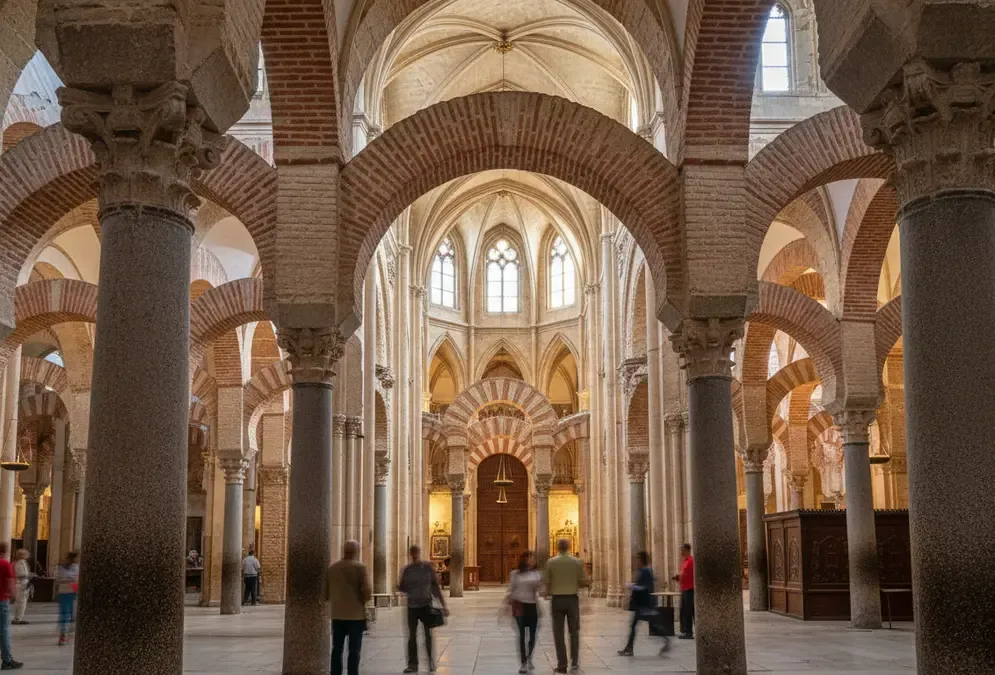
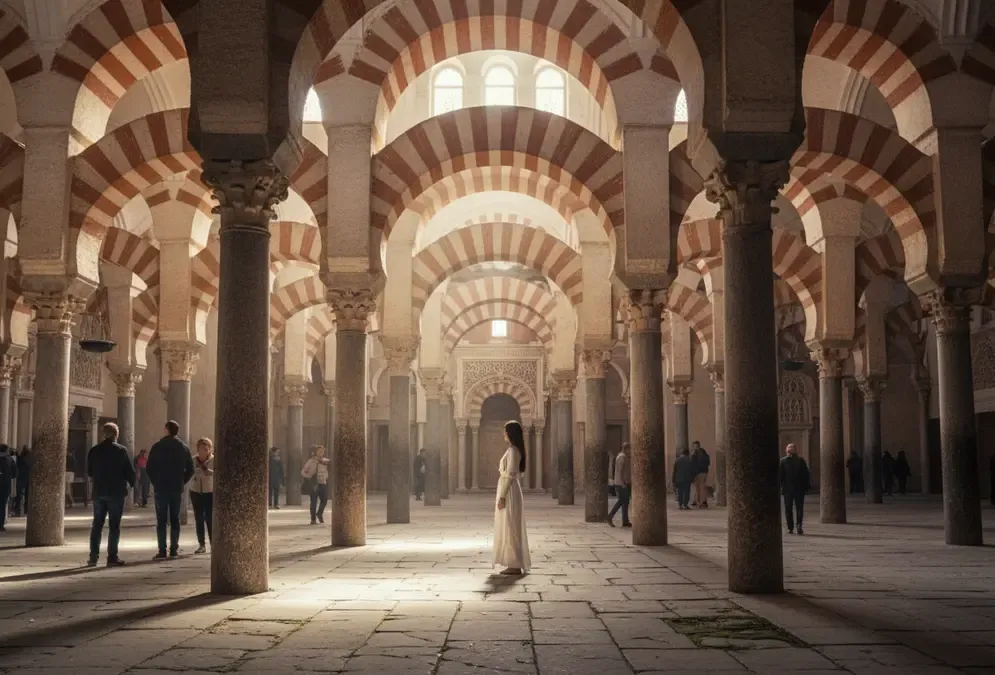
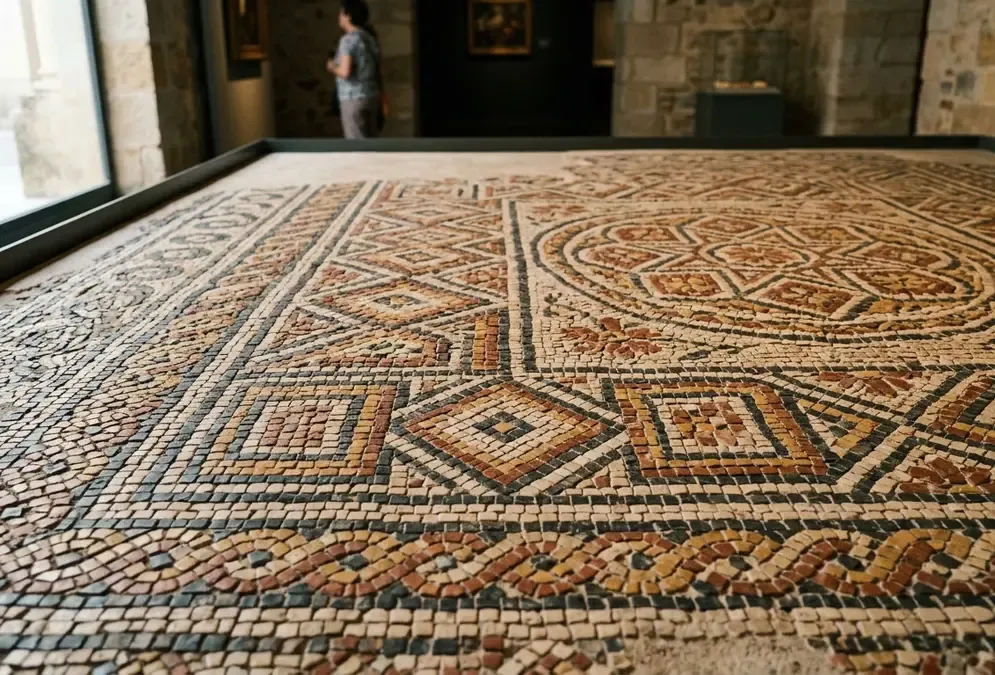
856 columns, 1,300 years of Islamic and Christian history inside one UNESCO building. Red-and-white arches, Byzantine mosaics, and a Renaissance nave.
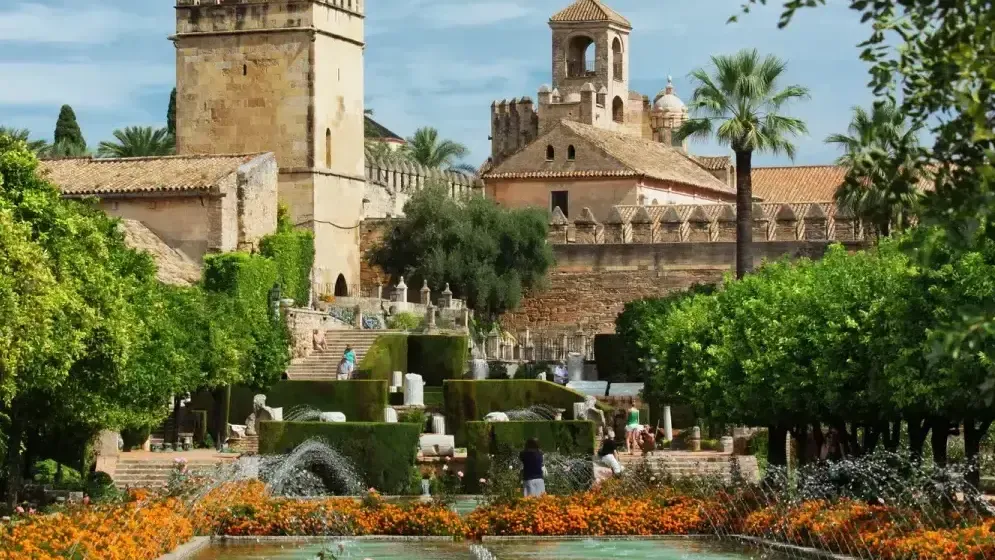
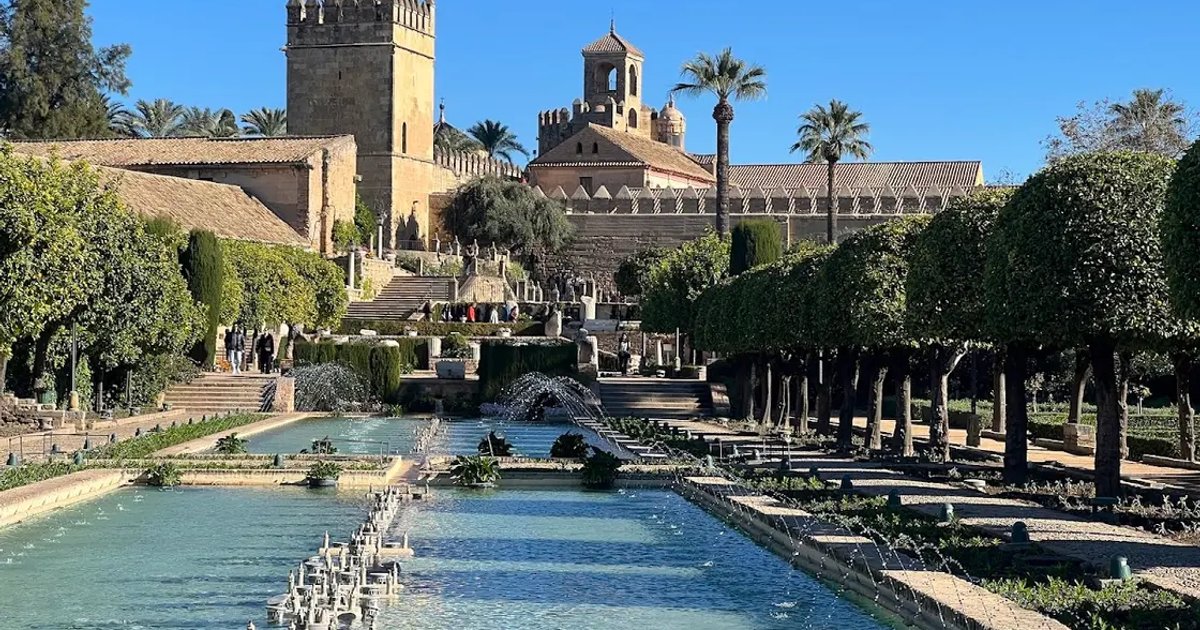
14th-century fortress where Columbus met the Catholic Monarchs. Roman mosaics, four climbable towers and stunning gardens. Free entry on Tuesdays. UNESCO site.
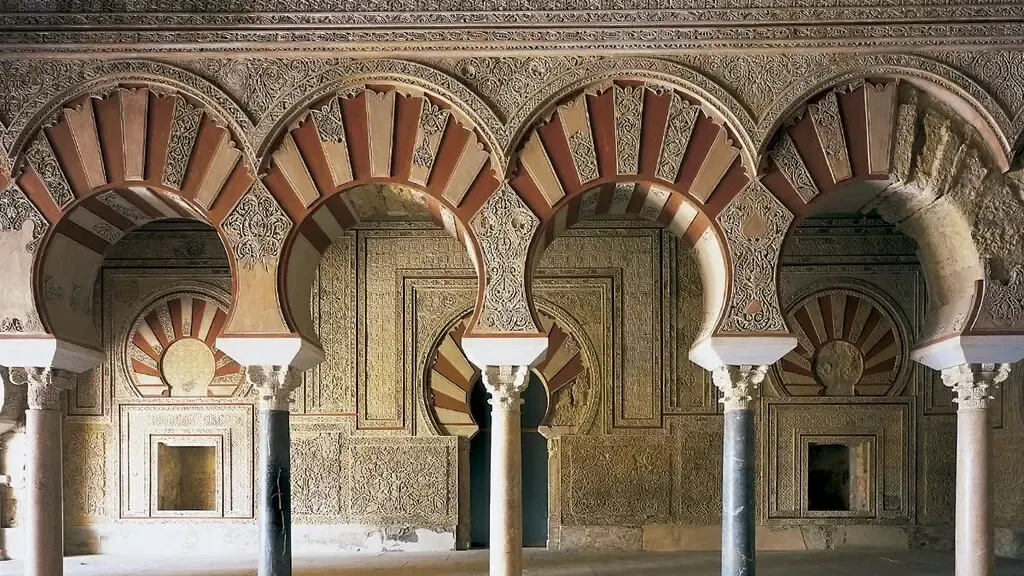
Discover the 10th-century caliphal capital 8 km from Córdoba. UNESCO site with the stunning Salon Rico, Arab gardens and an Aga Khan Award-winning museum.
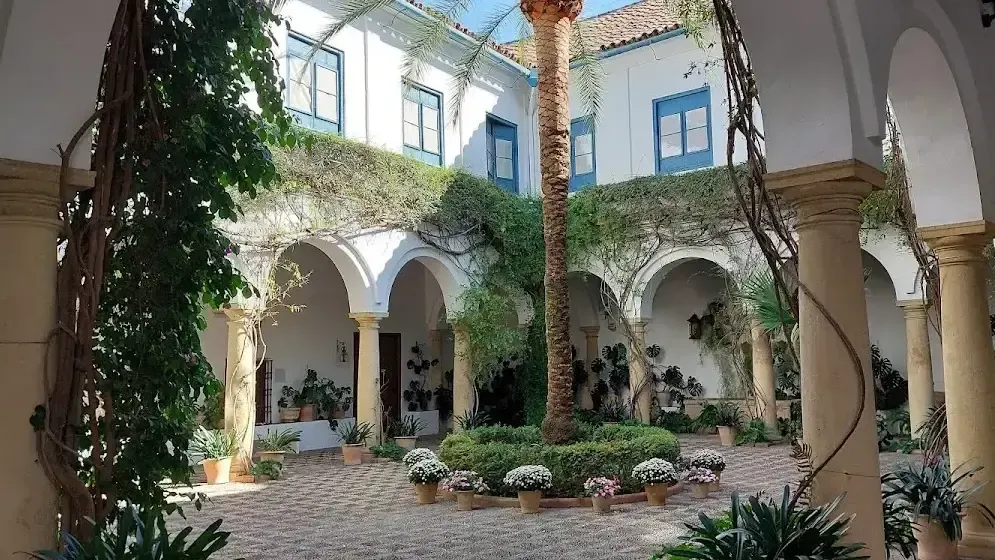
Renaissance palace with 12 themed courtyards, six centuries of art and the best Cordoban leather collections in the city. Known as the Museum of Patios.
Built in 1315, one of only three medieval synagogues still standing in Spain. Mudéjar stucco and Hebrew inscriptions in the heart of Córdoba's Judería.
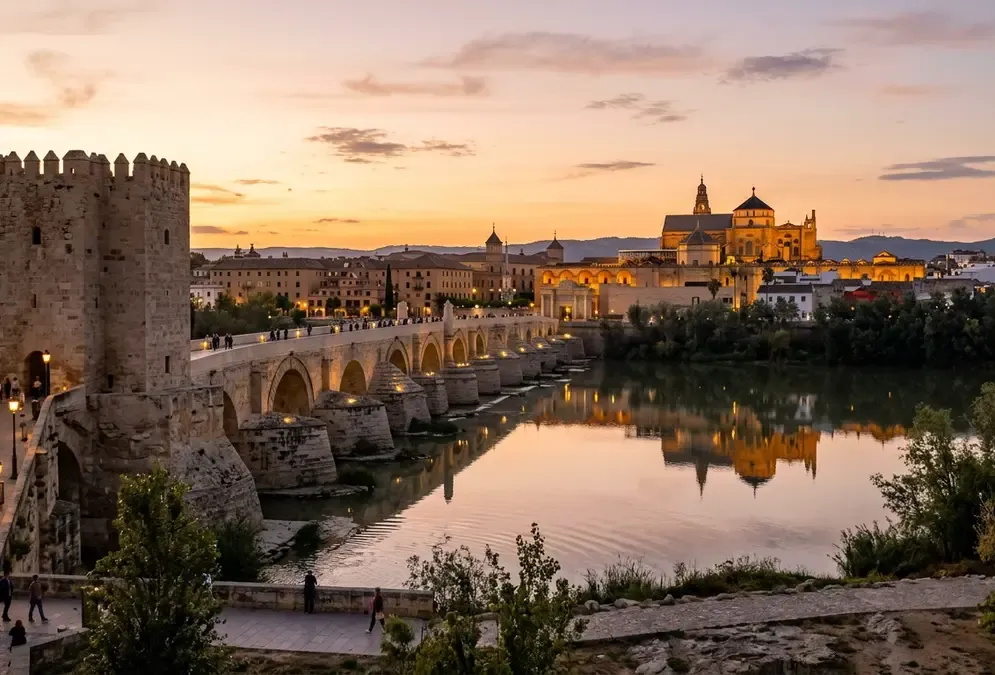
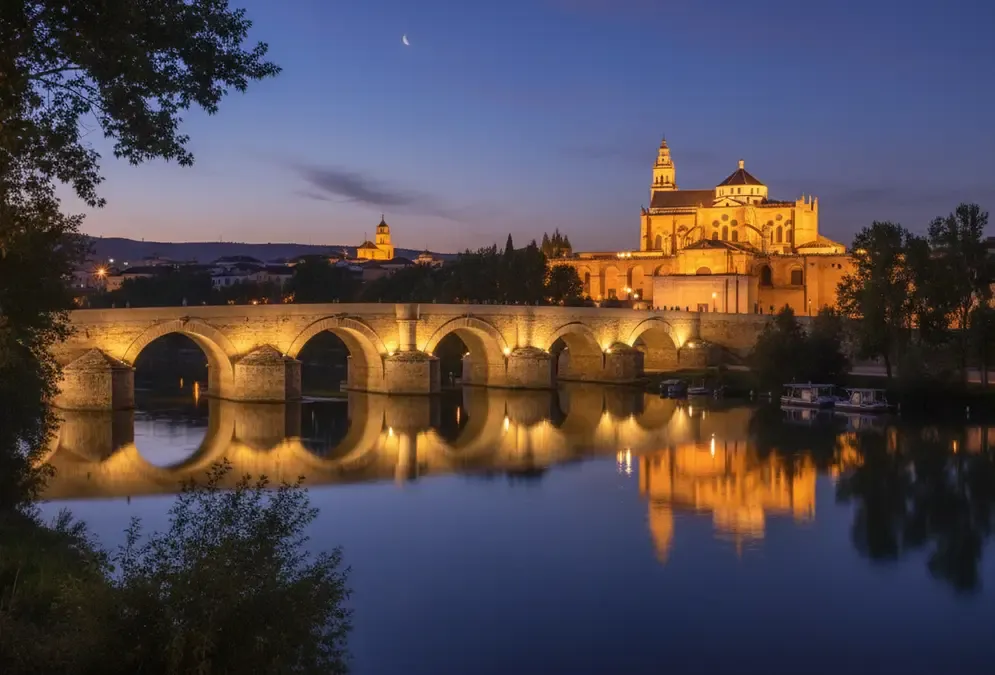
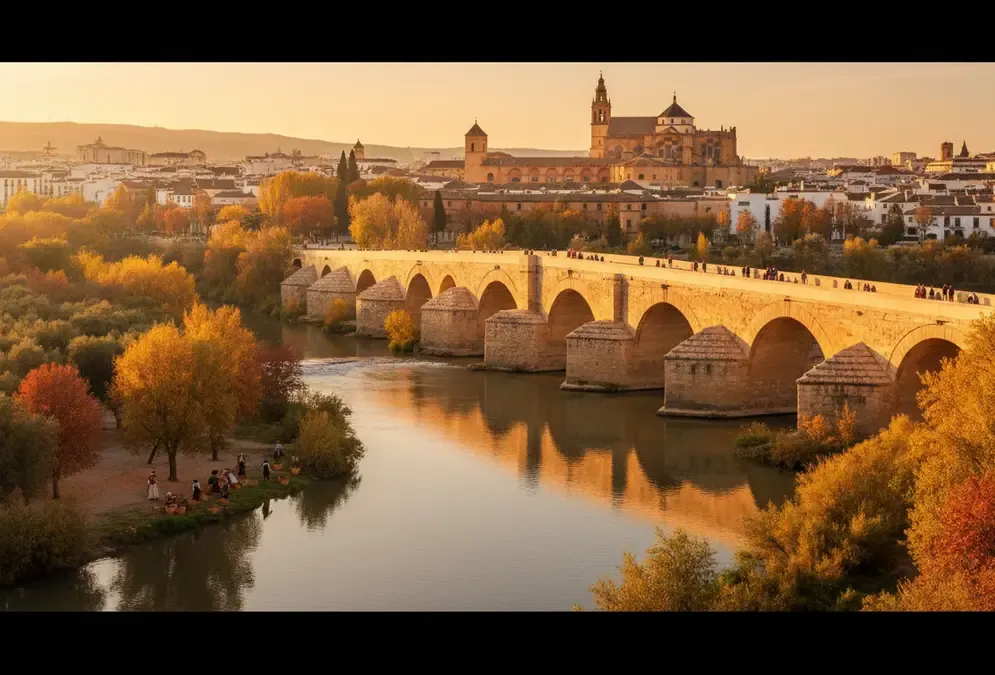
16 Roman arches spanning the Guadalquivir since the 1st century BC. Best viewpoint for the Mezquita at sunset, and a Game of Thrones filming location. Free.
These guides explain why Córdoba matters, not just what to queue for first.
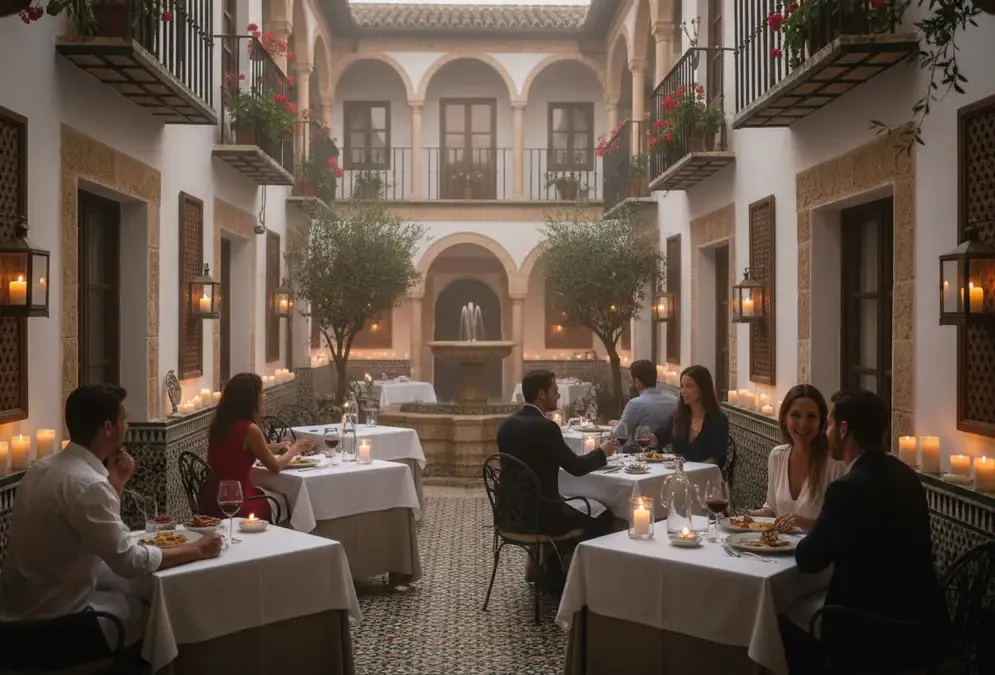
The best tables, signature dishes and bookable experiences to build around your monuments.
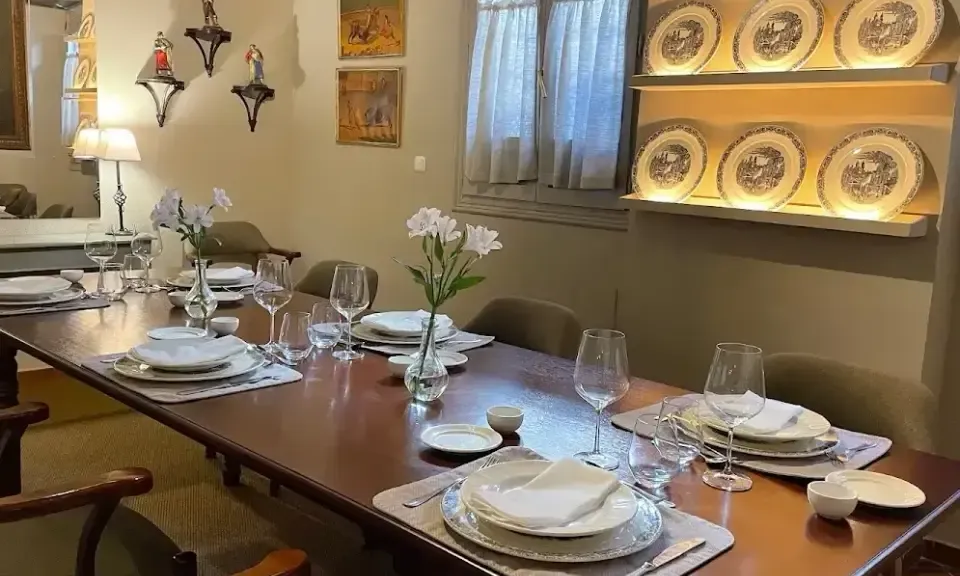
Córdoba's gastronomic landmark since 1908. Century-old oxtail recipe, house Montilla-Moriles wines, aristocratic patios. Eat in a living museum from €25.
20-35 euros avg. per person
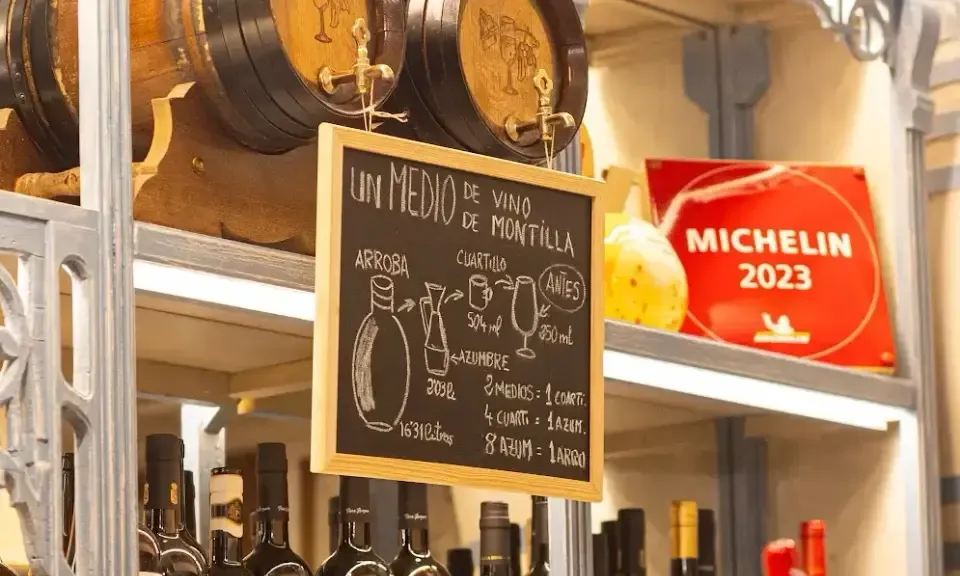
Michelin-listed since 1928 in Córdoba's Judería. Flower patio, salmorejo from an unchanged family recipe, and the city's most authentic rabo de toro. From €30.
25-40 euros avg. per person
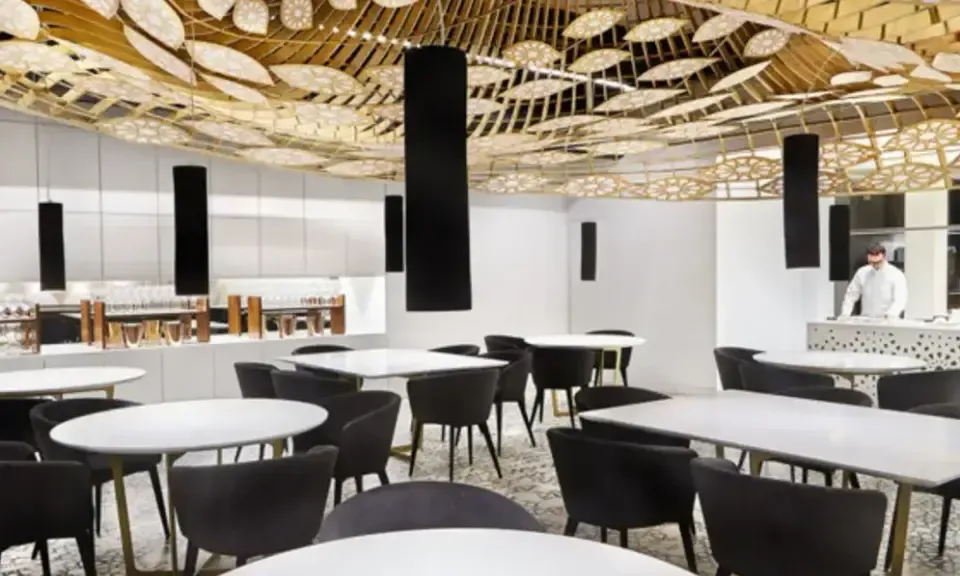
Paco Morales resurrects Caliphate cuisine at Córdoba's only 3-star Michelin restaurant. Twenty courses from medieval Arabic manuscripts. Book weeks ahead.
160-270 euros (tasting menu) avg. per person
Thicker than gazpacho, silkier, and topped with hard-boiled egg and serrano ham — salmorejo is the dish Córdoba is famous for. Taste it at its best here.
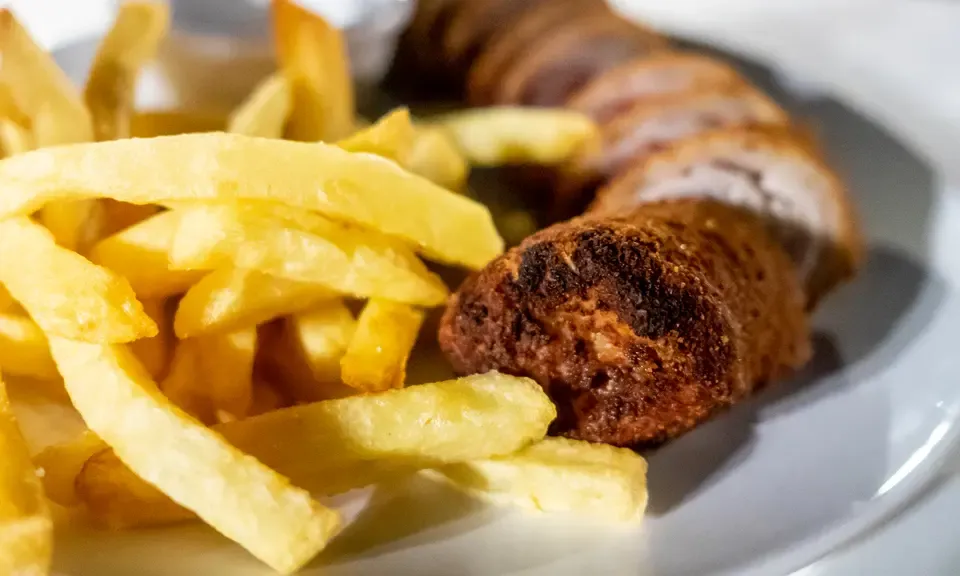
Thin pork loin wrapped around serrano ham, breaded and fried to a shattering golden crust. Córdoba's iconic tapa since the 1960s — find the best here.
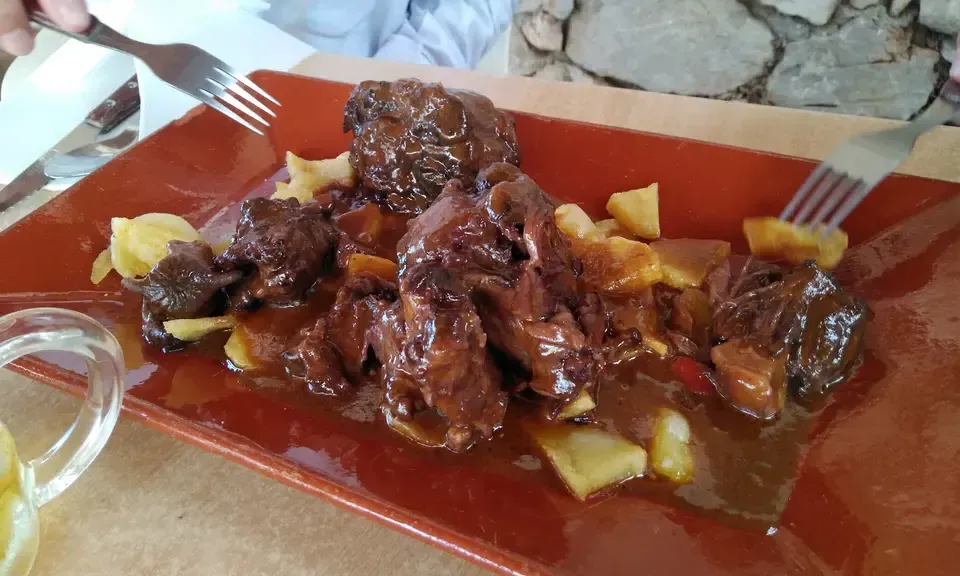
Oxtail slow-braised four hours in red wine until meltingly tender, with a dark glossy sauce. Córdoba's most iconic stew — best at Bodegas Campos in autumn.
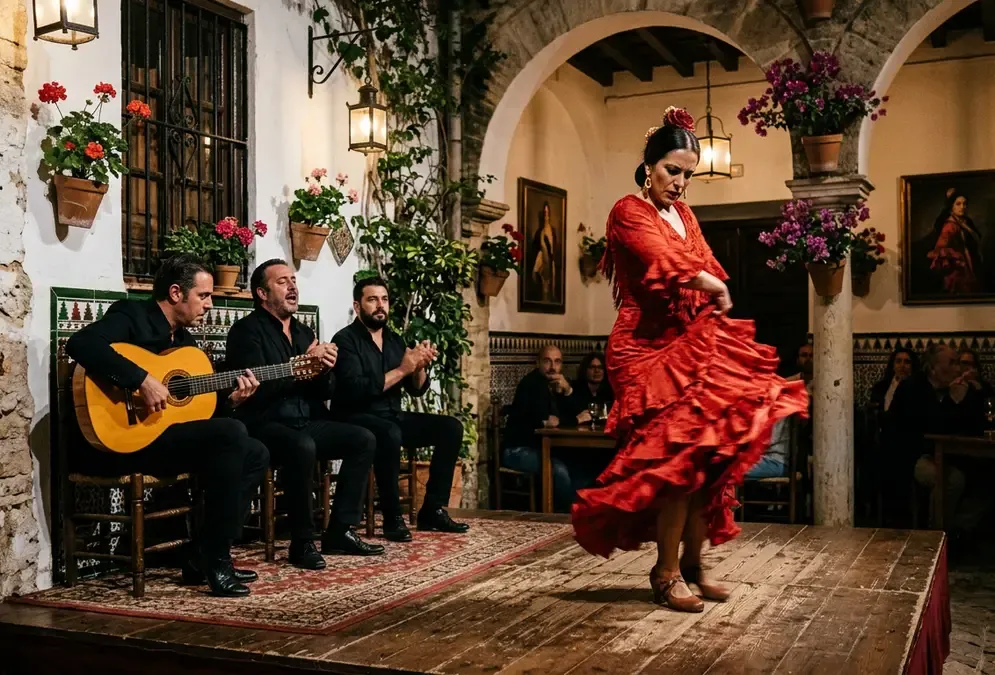
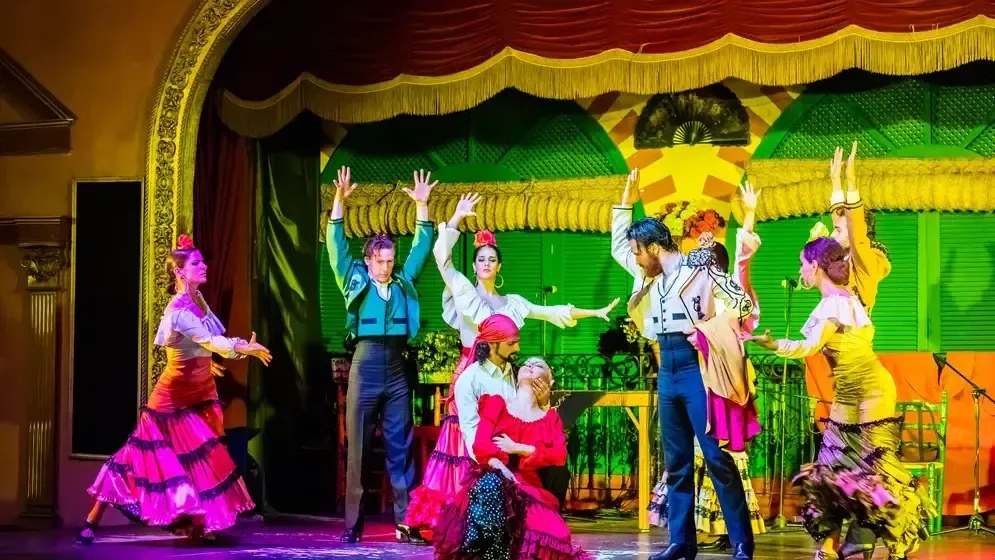
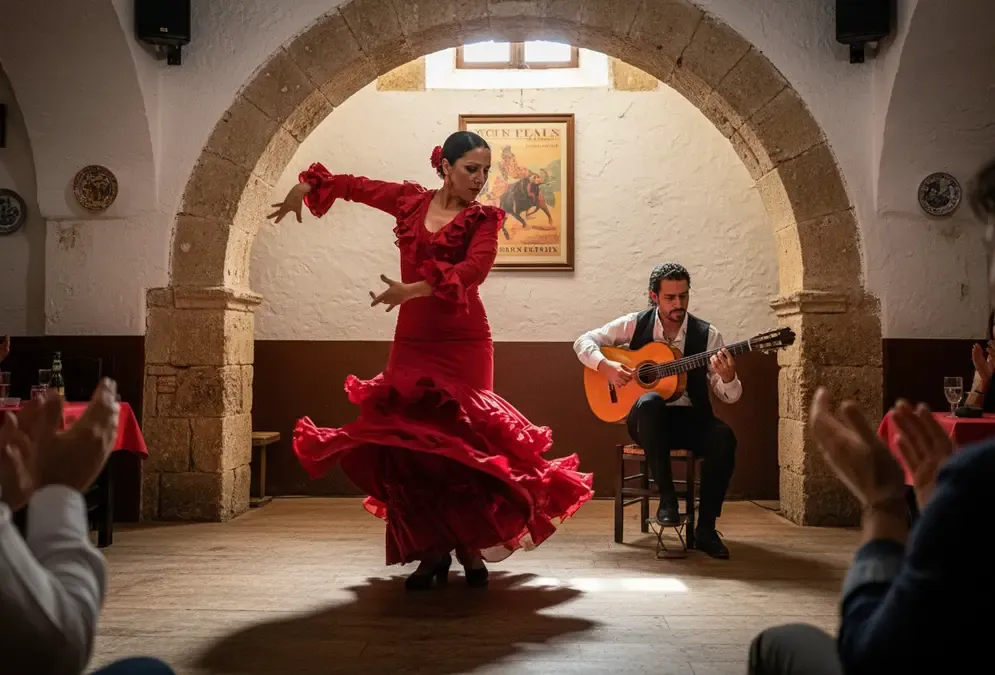
Flamenco, hammam, patios and food-led moments to round out the visit.
Free themed routes with maps and stop-by-stop directions — from the Jewish Quarter to the Guadalquivir riverside.
Walk Córdoba's medieval Jewish quarter in 1.8km: 14th-century synagogue, Casa de Sefarad, Calleja de las Flores, and Alcázar gardens. Free, two hours.
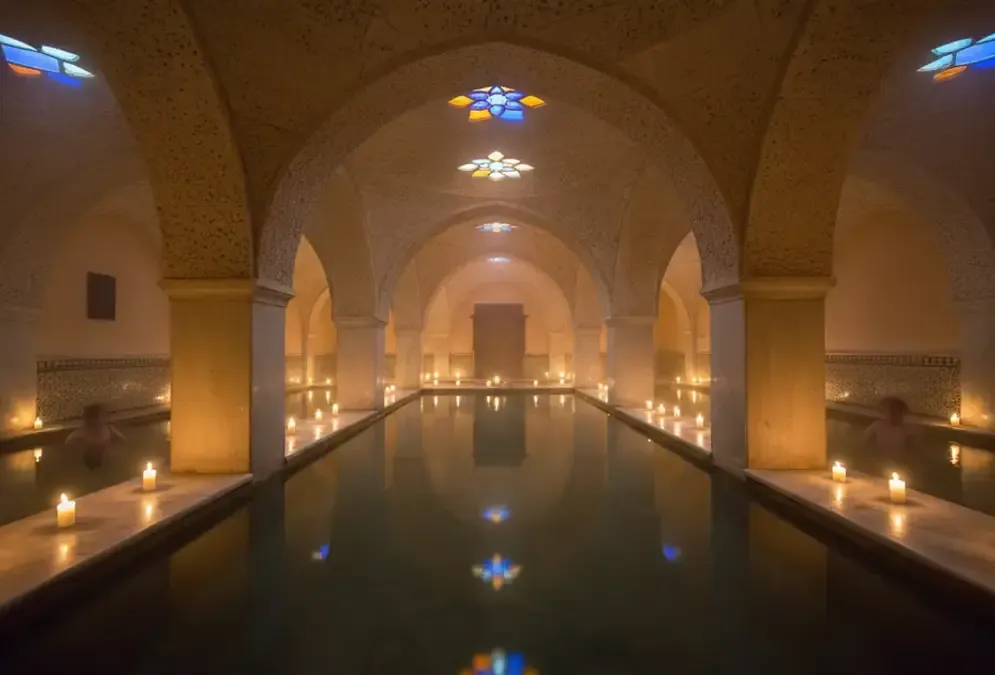
Horseshoe arches, 10th-century caliphal baths, Moorish gardens, and Mudéjar tile work: a free 2.5km self-guided walk through Córdoba's Islamic heritage.
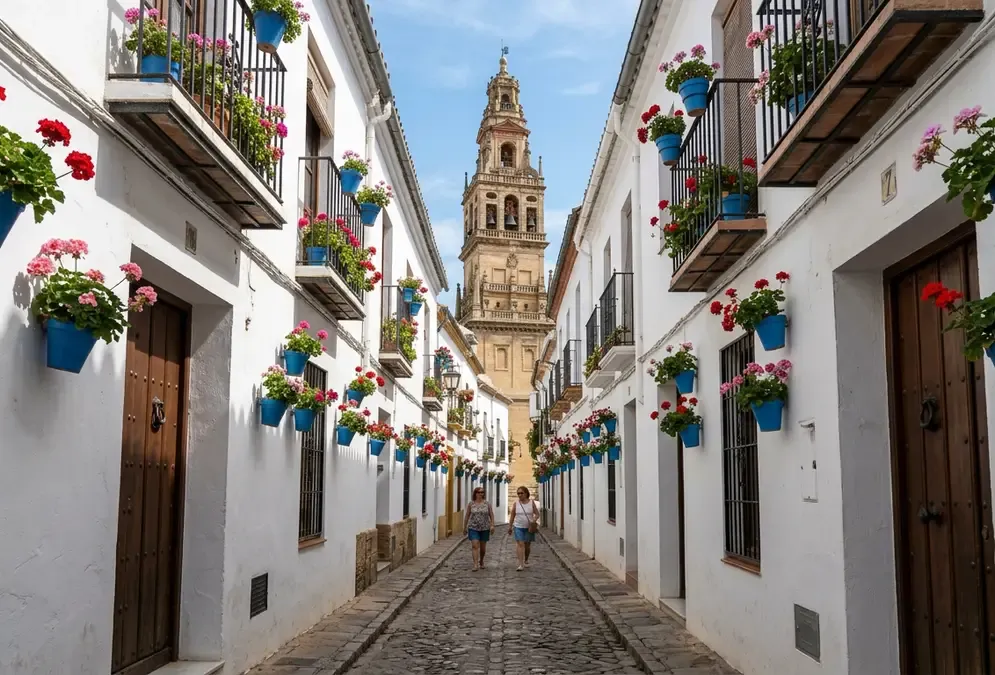
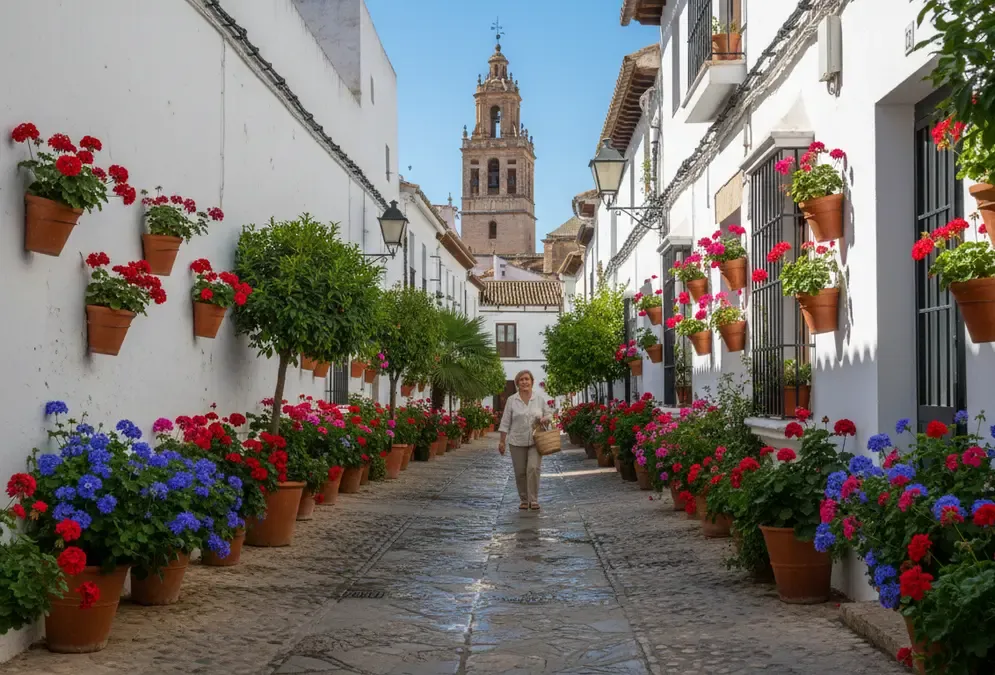
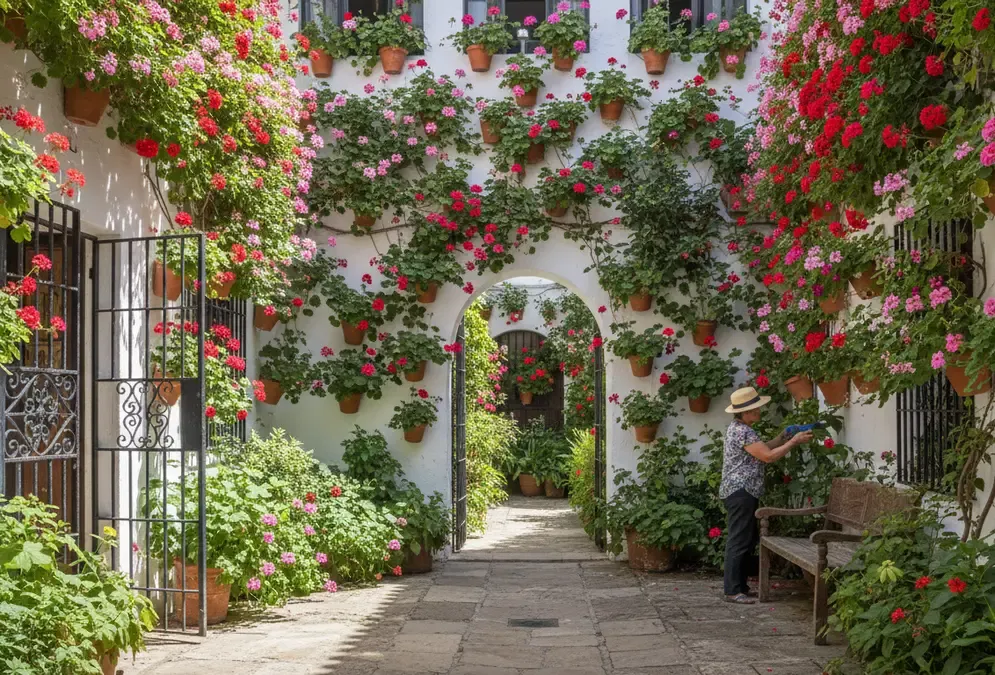
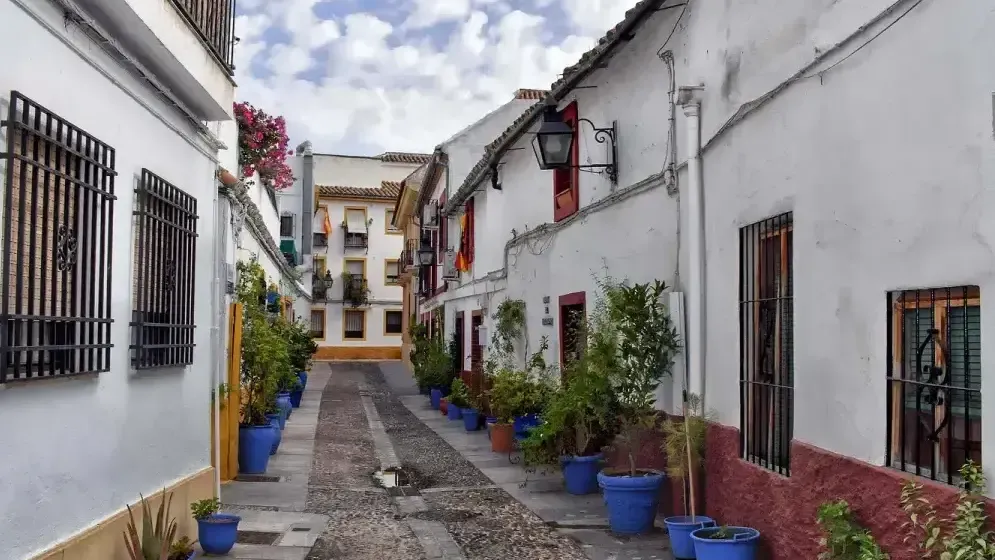
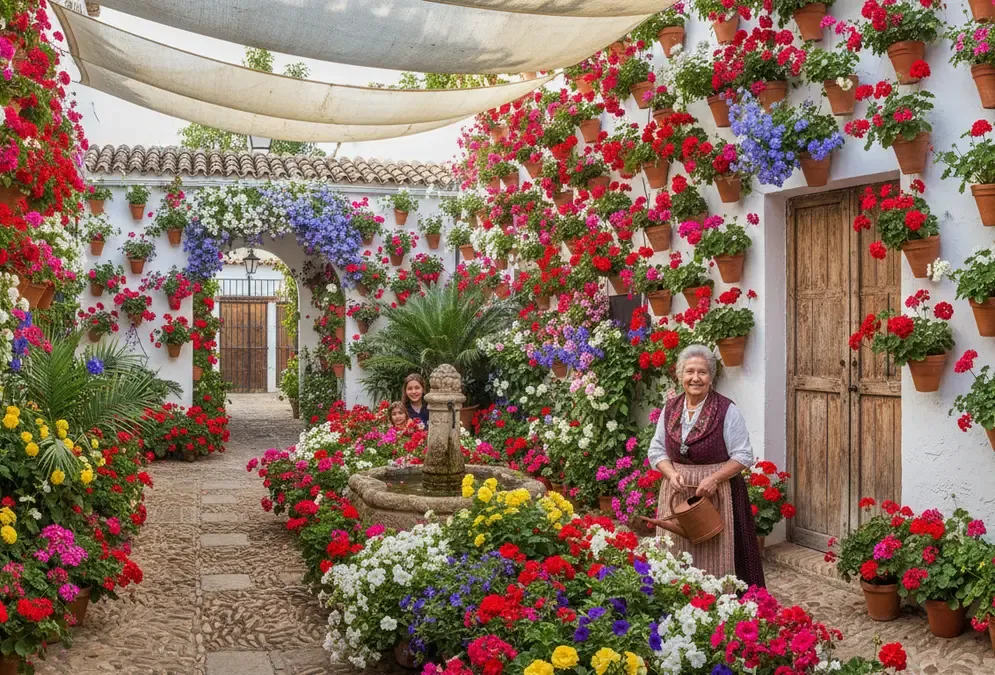
San Basilio, Judería, Palacio de Viana — three patio districts on one easy 2.5km circular loop. Free self-guided walk, best in May but good all year round.
A cinematic portrait of the city by local filmmaker Manu Diz.
Answers to the most common questions to help you organise your stay in Córdoba.
2 to 3 days are enough to see Córdoba's highlights: the Mezquita-Cathedral, the Alcazar, the Juderia, and the flower-filled patios. Add a day for Medina Azahara or a day trip to Granada. Before you arrive, read our first-time visitor tips.
Spring (April–May) is ideal, with the Patio Festival and pleasant temperatures. Autumn (September–October) is also a great time to visit. Avoid July–August when temperatures regularly exceed 40°C.
Córdoba holds 4 UNESCO designations: the Mezquita-Cathedral (1984), the historic centre (1994), the Patio Festival (2012, intangible heritage), and Medina Azahara (2018).
Book online via the official Cabildo website at least 1 week in advance. Admission is €13 (2024). Entry is free Monday to Saturday from 8:30 to 9:30 am (outside Mass times).
The AVE high-speed train connects Córdoba to Madrid in 1h45 and to Seville in 45 minutes. The station is a 15-minute walk from the historic centre. Alsa coaches also serve the city.
Don't miss salmorejo (thick chilled tomato soup), flamenquin (breaded pork roll), rabo de toro (slow-braised oxtail), and berenjenas con miel (aubergine with honey). Pair them with wines from Montilla-Moriles.
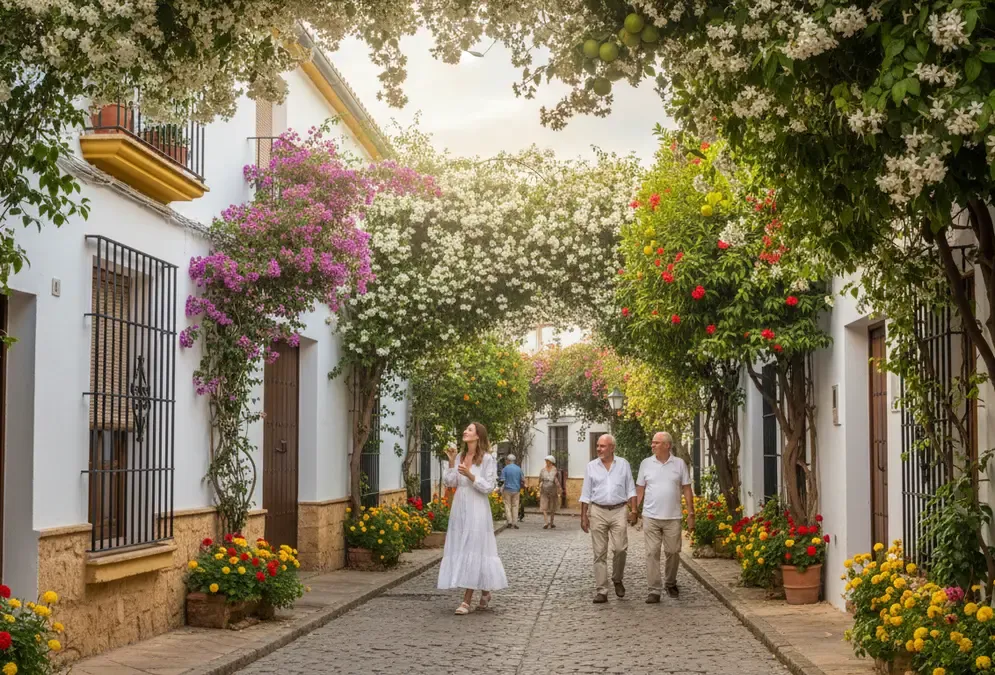
San Basilio's flower-lined streets, the Juderia's heritage lanes, or the buzz of the Centro — each neighbourhood shapes a different visit.