Search the site

food-lovershistory-buffscouples
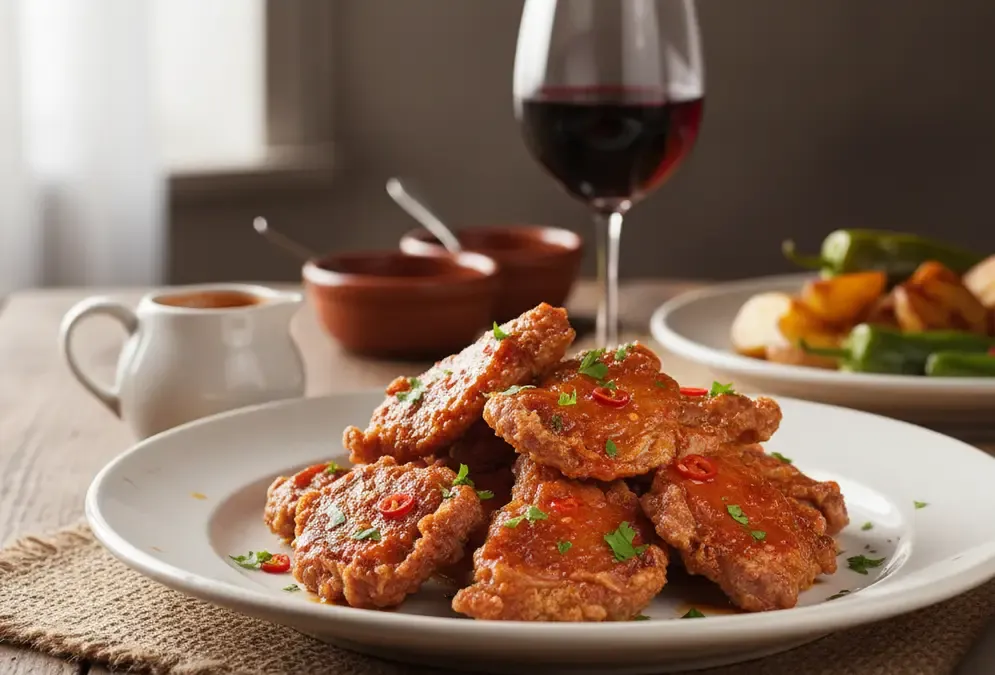
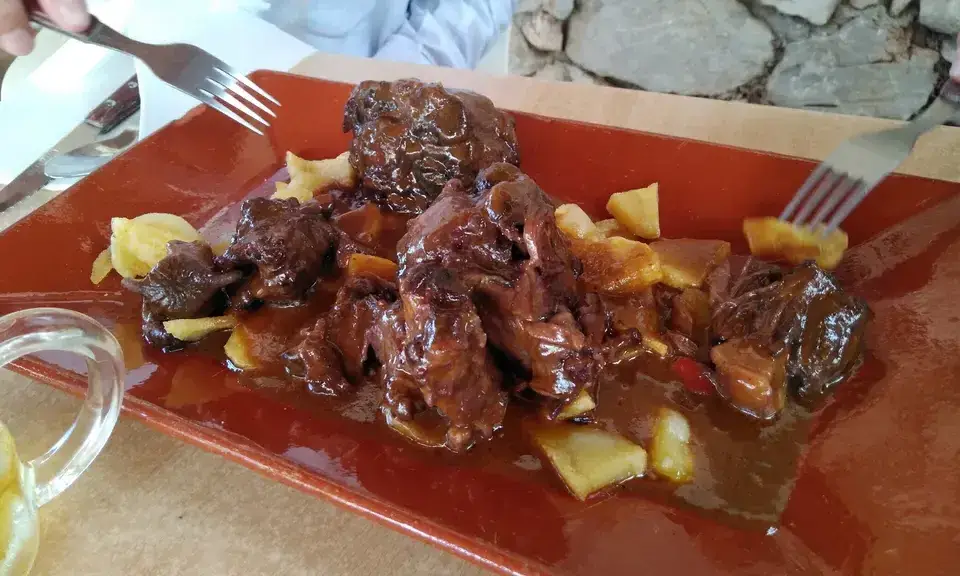
Córdoba rabo de toro stew with silky sauce and meltingly tender meat
Main Course ragoût

Rabo de Toro: Córdoba's Slow-Braised Oxtail from the Bullfighting Tradition

Oxtail slow-braised four hours in red wine until meltingly tender, with a dark glossy sauce. Córdoba's most iconic stew — best at Bodegas Campos in autumn.

Back to gastronomy

At a glance

Category
Main Course
Origin
Rabo de toro traces its roots to the Andalusian bullfighting tradition. After the corridas at Córdoba's bullring, the bull's tail was braised for hours to create this iconic dish, transforming a humble cut into a gastronomic treasure through respect for the animal.
Temperature
Served hot
Season
Year-round, especially popular in autumn and winter
Wine pairing
Montilla-Moriles Pedro Ximénez or a full-bodied regional red wine
Difficulty
Difficult

On this page

A dish that takes time

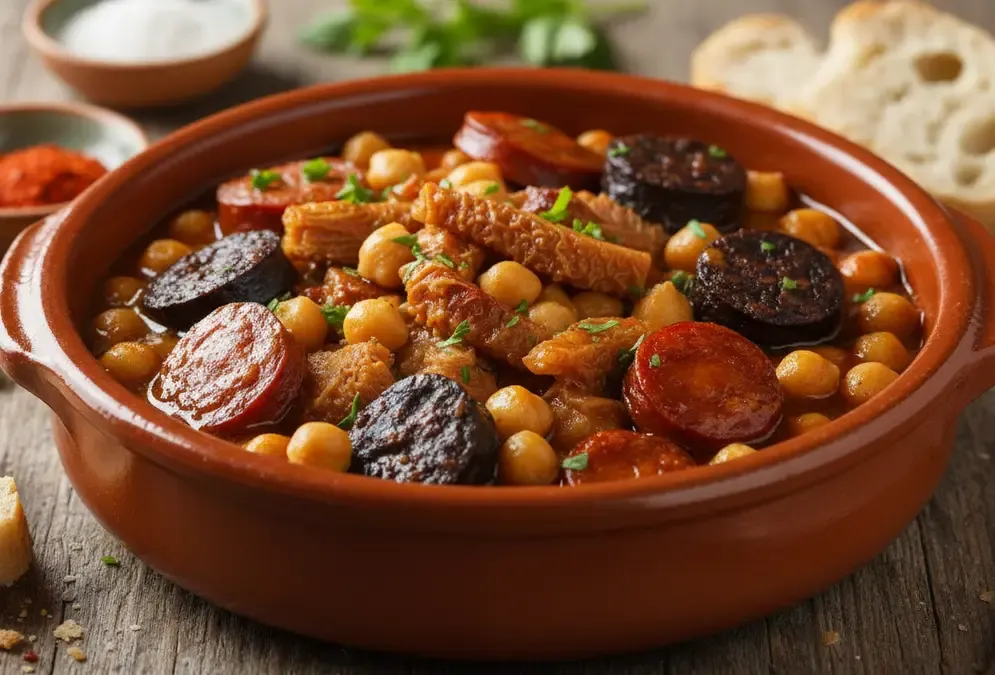
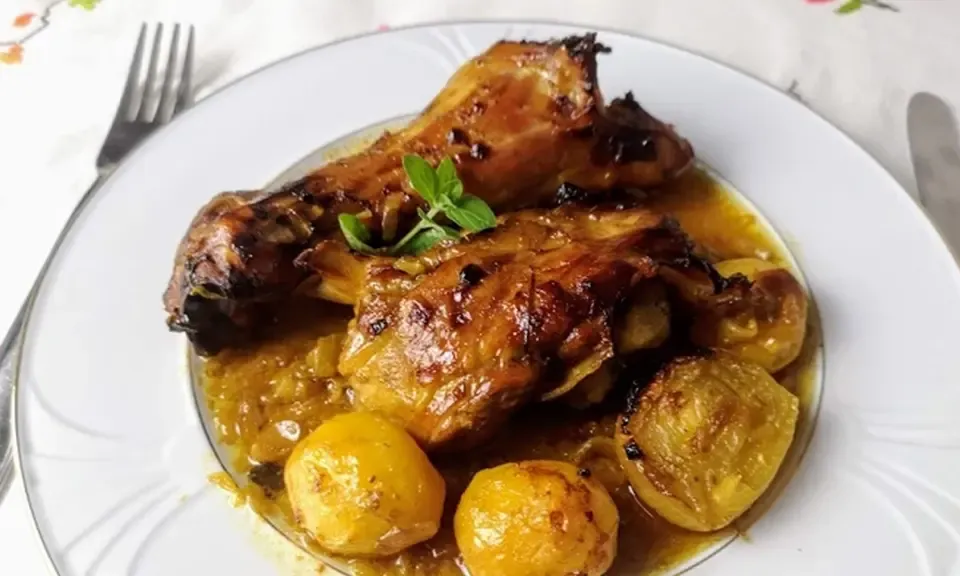
Rabo de toro is not a quick kitchen exercise. The oxtail pieces are browned hard in olive oil first, then submerged in red wine with carrots, onions, garlic, tomatoes, and bay. Three to four hours at a low simmer, until the collagen breaks down, the meat falls off the bone without any encouragement, and the braising liquid reduces to a sauce thick enough to coat the back of a spoon.

Some cooks add a splash of Pedro Ximénez at the end. The sweet wine dissolves into the sauce and adds a depth that you notice but can't quite identify until someone tells you what it is.

Rooted in the bullring

The dish comes directly from Córdoba's bullfighting tradition. After the corridas, the bull's tail went to the kitchen. What began as resourceful cooking — using every part of the animal — became one of the city's defining recipes. The connection to the bullring is not decorative; it's the actual origin.

When to eat it

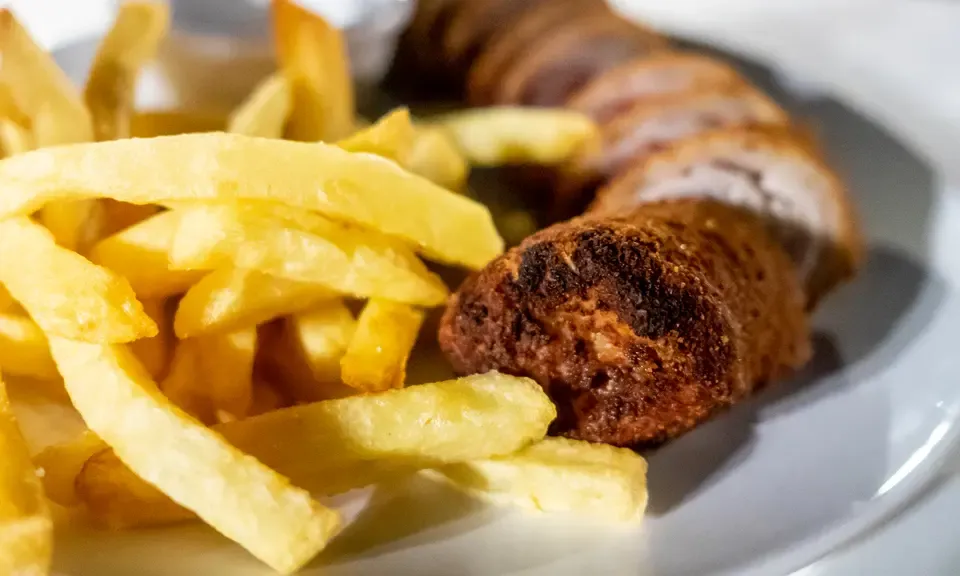
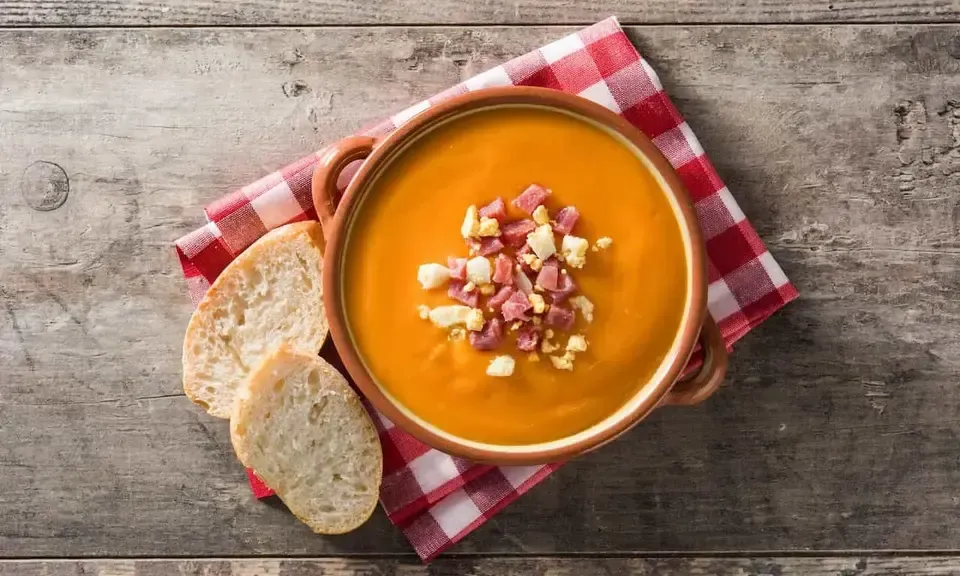
Rabo de toro is available year-round, but autumn and winter are when it makes full sense. On a warm May evening, a light salmorejo fits better. On a cold November afternoon, this is exactly what you want. Steamed potatoes or chips on the side to soak up the sauce.

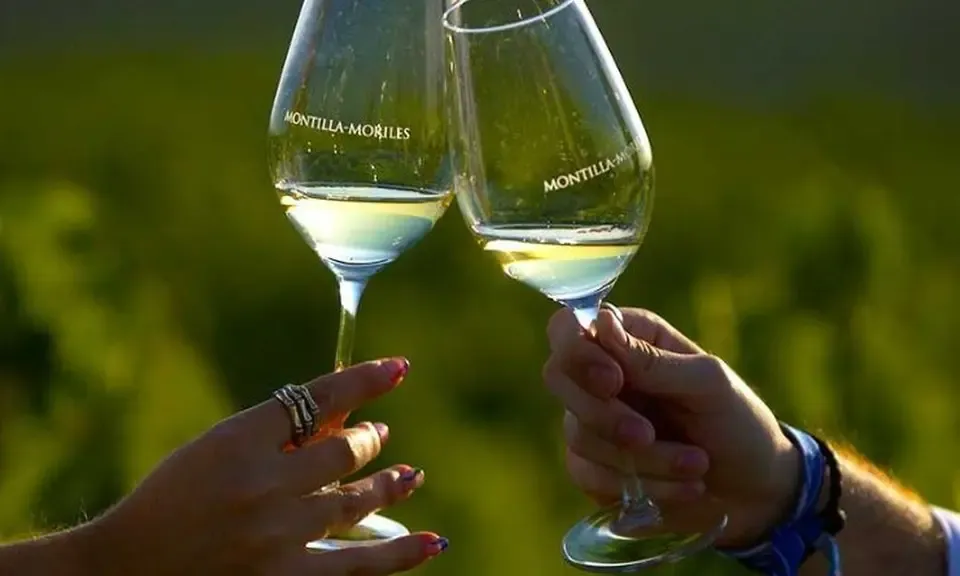
The natural pairing is a Montilla-Moriles Pedro Ximénez or a full-bodied red — something with enough structure to hold against the richness of the stew. Start with a chilled salmorejo for a complete contrast.

Where to find it

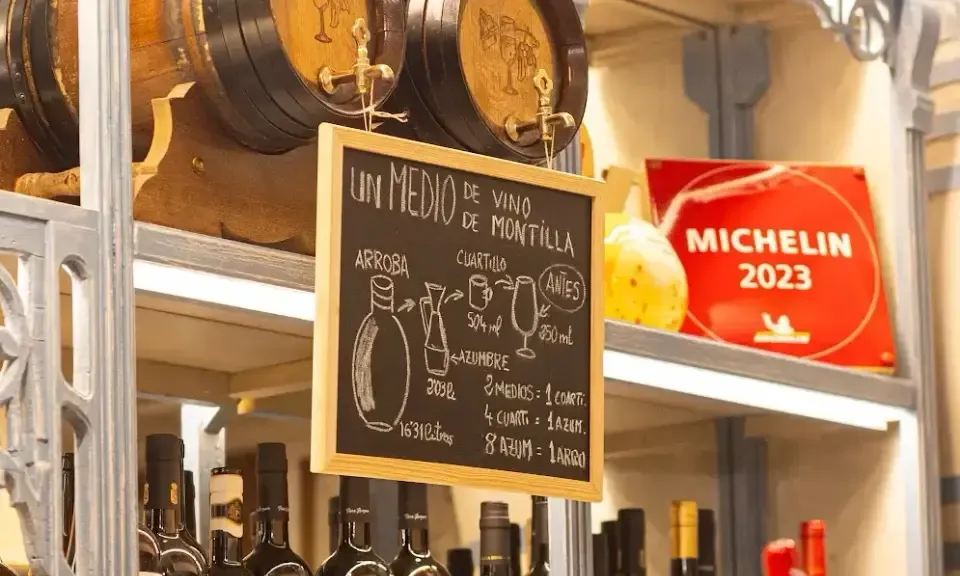
Bodegas Campos serves a definitive version in its century-old bodega. Taberna Salinas and Restaurante El Caballo Rojo do strong traditional interpretations. In the Judería, Casa Pepe serves a generous version that regulars come back for.

The gastronomic tour covers rabo de toro alongside other Córdoba classics in a three-hour circuit of historic tabernas.

Rabo de toro ranks second in our Must-Try Dishes in Córdoba — the complete guide to the dishes that define what this city cooks. Other slow-cooked Córdoba meat dishes worth seeking out in traditional tabernas: Callos Cordobeses (tripe stew with chickpeas, the city's definitive winter comfort food), Cochifrito (crispy fried lamb with paprika and lemon), and Cordero a la Miel (slow-roasted lamb with honey and aromatic spices — the most direct bridge between Córdoba's Arabic culinary heritage and its contemporary table).

Good for

Food Lovers History Buffs Couples Gastronomy Cultural

Main ingredients

  • oxtail
  • red wine
  • carrot
  • onion
  • garlic
  • tomato
  • bay leaf
  • olive oil

Allergens: sulphites

Reporter notebook

Insider tips

Practical observations gathered the way a local journalist would keep them: short, specific, and more useful than brochure copy.

Best time

Save it for cooler weather or your hungriest meal

This is not the thing to order lightly on a hot afternoon unless you are committed. In autumn, winter or a long lunch, it makes much more sense.

Pairing tip

Use Pedro Ximenez carefully, not as a gimmick

A touch of PX in the sauce or alongside the dish adds depth, but the richer the stew, the more you need the wine to stay structured rather than sugary.

Frequently asked questions

Where can I try rabo de toro in Córdoba?

Bodegas Campos is the most cited address for a definitive version, served in its century-old bodega in the historic centre. Taberna Salinas and Restaurante El Caballo Rojo offer strong traditional interpretations. Casa Pepe de la Judería serves a generous portion popular with regulars.

Is rabo de toro suitable for vegetarians?

No. Rabo de toro is a slow-braised oxtail stew — the main ingredient is beef, and the braising liquid is built from meat, red wine, and vegetables. It contains no gluten or dairy but is not suitable for vegetarians.

What wine pairs well with rabo de toro?

A Montilla-Moriles Pedro Ximénez or a full-bodied regional red is the local choice. Some cooks add a splash of PX directly to the braising sauce, so drinking it alongside creates a coherent match. Avoid light or aromatic wines — the richness of the stew needs something with structure.

Is rabo de toro a starter, main course, or dessert?

It is a main course. A portion of slow-braised oxtail is a substantial plate, usually served with potatoes or chips. Most people order a light starter — salmorejo is the classic choice — before the stew.

What is the best time of year to eat rabo de toro?

Autumn and winter are when the dish makes most sense — the richness of the slow-braised meat is better suited to cool evenings. It appears on menus year-round, but traditional kitchens prepare it with more care from October through February.

Where to taste it in Córdoba

Similar dishes