Flavors of Andalusia
Córdoba Food Guide: Traditional Dishes & Where to Eat
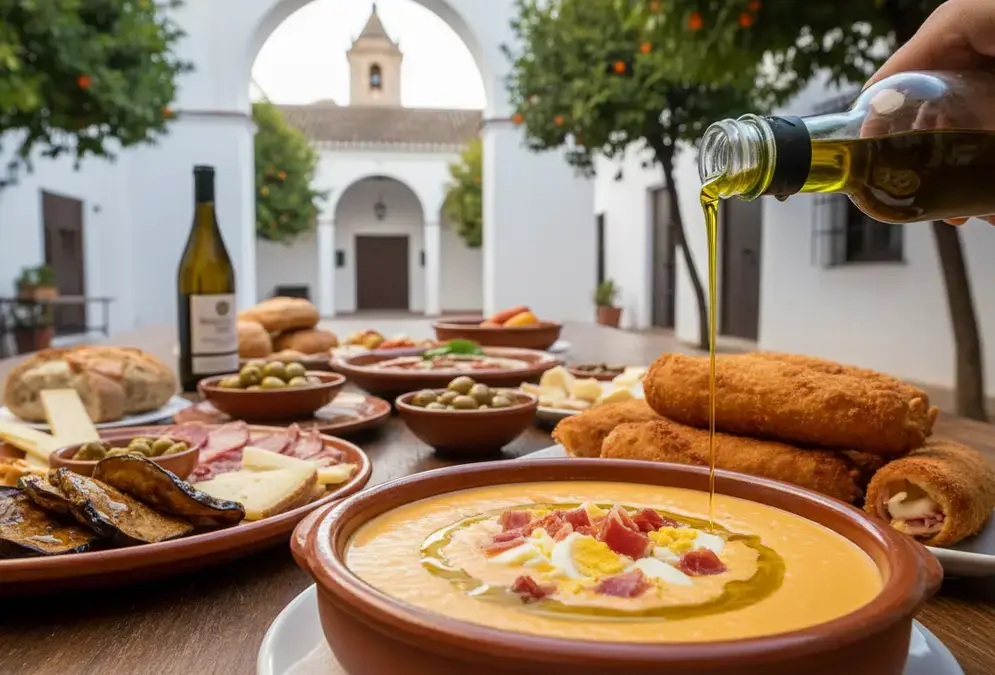
Salmorejo at Bar Santos. Rabo de toro at El Churrasco. A glass of fino at Bodega Guzmán poured straight from a barrel that has been there since 1922. Córdoba has a small, specific, unrepeatable food culture — this guide tells you where to find it.

Written by
Pedro Del Pozo Seven years covering Córdoba's gastronomy, taberna culture, and the Montilla-Moriles DO.
Published
Updated
This Córdoba food guide starts with a fact that explains almost everything on the menu: the city's traditional food carries the imprint of three civilisations that coexisted here for five centuries. Roman settlers pressed the first olive oil in the Guadalquivir valley. Arab agronomists introduced citrus, saffron, and aubergine between the 8th and 13th centuries. Jewish cooks preserved and passed on the recipes through the years of convivencia. What ended up on today's tables — salmorejo, berenjenas con miel, rabo de toro — still carries that sequence. What to eat in Córdoba is, in part, a question about which layer you want to taste first.
The modern food scene has caught up with the history. Córdoba holds five Michelin stars across three kitchens: Noor (three stars, the only restaurant in Spain dedicated entirely to pre-Columbian Al-Andalus cuisine), Choco (one star, built around Córdoba's market produce and chef Kisko García's precise technique), and ReComiendo (one star, earned in 2026 without chasing the recognition). Alongside them, the Montilla-Moriles appellation produces fino and amontillado from the Pedro Ximénez grape — wines that local bars have been pouring since long before sherry became the more famous name. Order a glass at the bar. That is still how a meal in Córdoba begins.
This guide covers the signature dishes and where to find them, the Montilla-Moriles wines, the best restaurants from neighbourhood tabernas to tasting-menu kitchens, the city's food neighbourhoods, local pastries, and practical sections for vegetarian, vegan, and gluten-free visitors.
Córdoba gastronomy — at a glance
- Michelin stars
- 5 stars across 3 restaurants (Noor, Choco, ReComiendo)
- Market days
- Mercado Victoria: daily · Corredera: Mon–Sat mornings
- Food tour price
- From €35 for a 3-hour tapas tour
- Best month for food
- May — patios open, spring produce, food festival season
- Local wine
- Montilla-Moriles DO — Pedro Ximénez fino and amontillado
Noor and Choco: book weeks in advance
Both Noor (3 stars) and Choco (1 star) fill up weeks ahead, especially on Friday and Saturday evenings. If a tasting-menu dinner is on your Córdoba agenda, book as soon as your dates are confirmed — not the week before you travel.
In this guide
Tapas culture
In Córdoba, tapeo runs on a simple system: order a fino or a cerveza, pick a few small plates from the menu, and share everything. You stand at the bar, you move on to the next place after two rounds. It is not a dining format. It is a way of spending an afternoon.
Two bars are worth naming before anything else. Bar Santos, in the narrow alley beside the Mezquita, makes the best tortilla in the city: enormous, creamy, eaten standing at the counter. Bodega Guzmán, a century-old wine bar five minutes into the Judería, pours fino straight from the barrel at prices that have not kept pace with inflation. Both are correct first stops.
Timing matters more than most visitors expect. Bars open at 13:00 and again from 20:00. Arriving between those windows means an empty bar and a limited kitchen. The evening session is the better one: cooler, fuller, more animated. The full tapas guide covers every bar worth knowing, and the tapas bars selection is where to start planning.
Signature dishes
Salmorejo
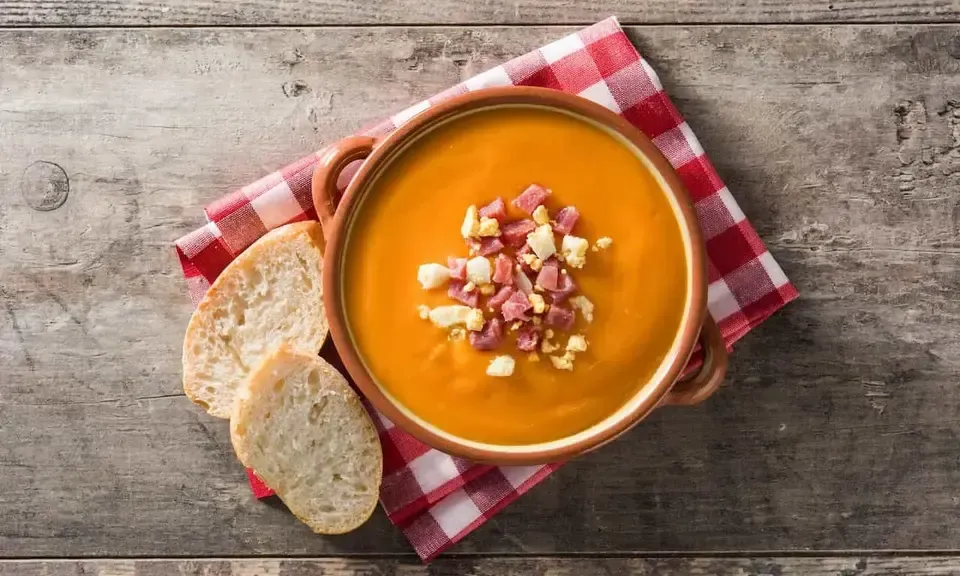
Córdoba's signature dish. This thick, chilled cream made from ripe tomatoes, bread, olive oil, and garlic is richer than gazpacho. Served with diced ibérico ham and crumbled hard-boiled egg.
Cold starter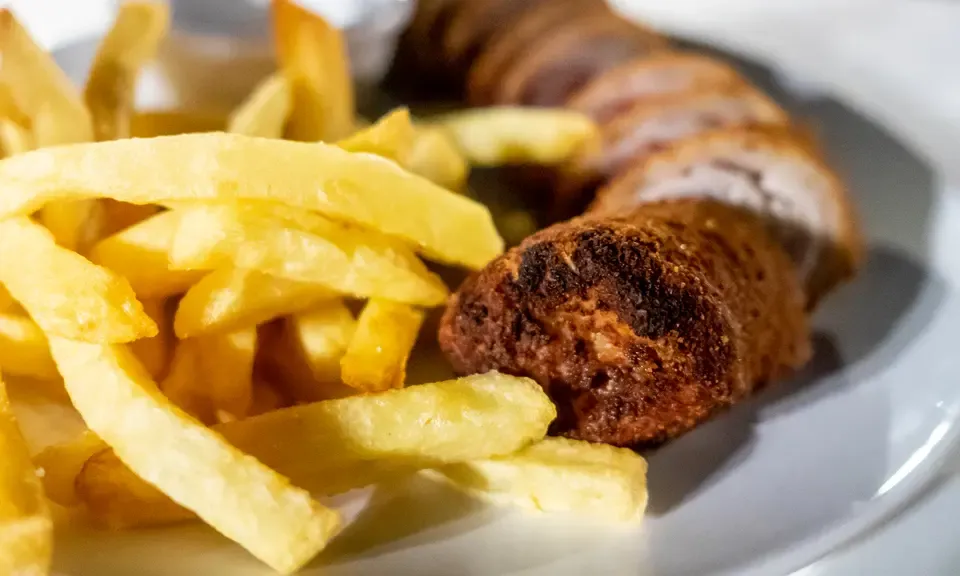
Flamenquín
A Córdoban invention: pork loin and cured ham rolled together, breaded, and fried. The name is said to come from the golden color reminiscent of the blond hair of Charles V's Flemish troops.
Main course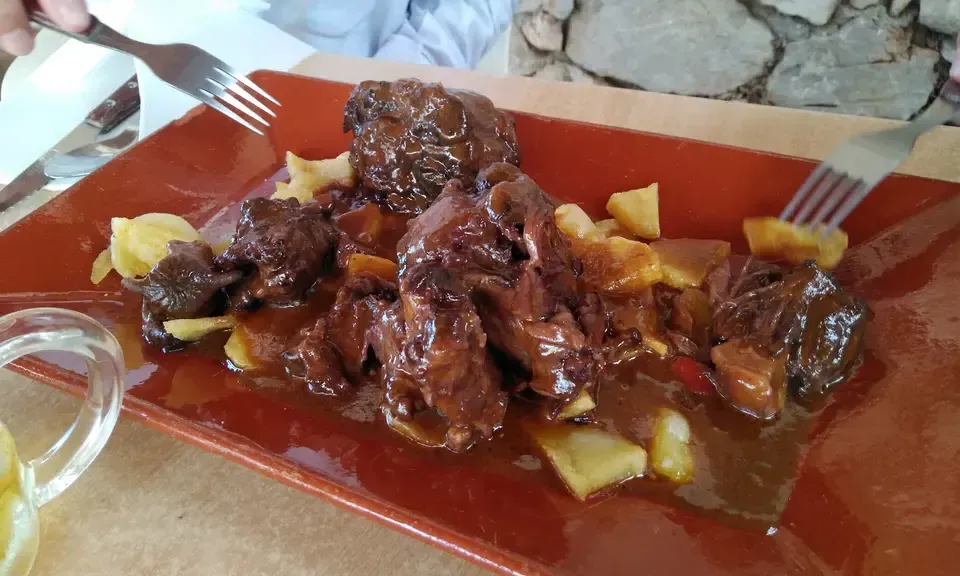
Rabo de Toro
Oxtail slow-braised for hours with red wine, vegetables, and spices. A dish rooted in Córdoba's bullfighting tradition, with a silky, aromatic sauce.
Braised dish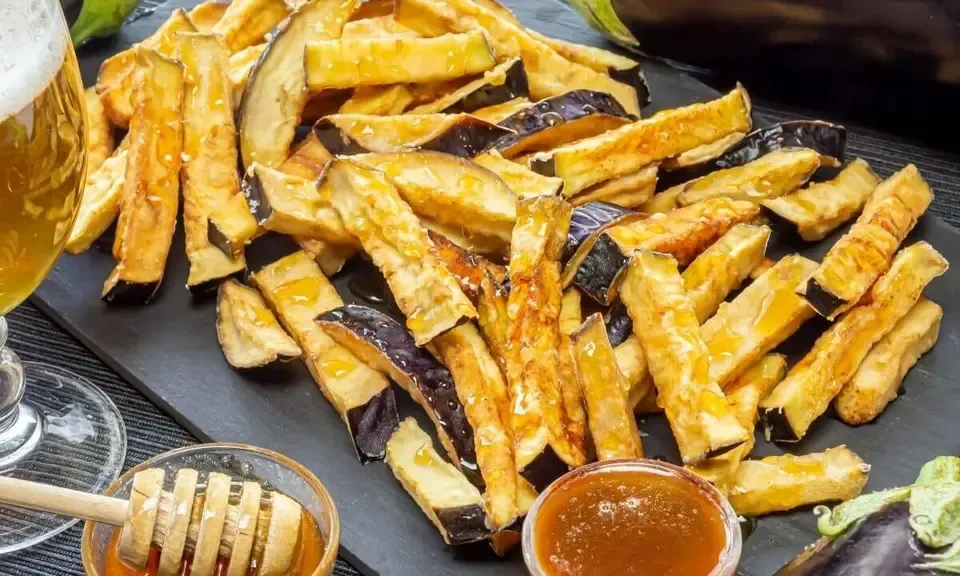
Berenjenas con Miel
Fried aubergine slices drizzled with cane honey (molasses). A sweet-savory contrast rooted in Andalusian cuisine — perfect as a tapa or a side.
Tapa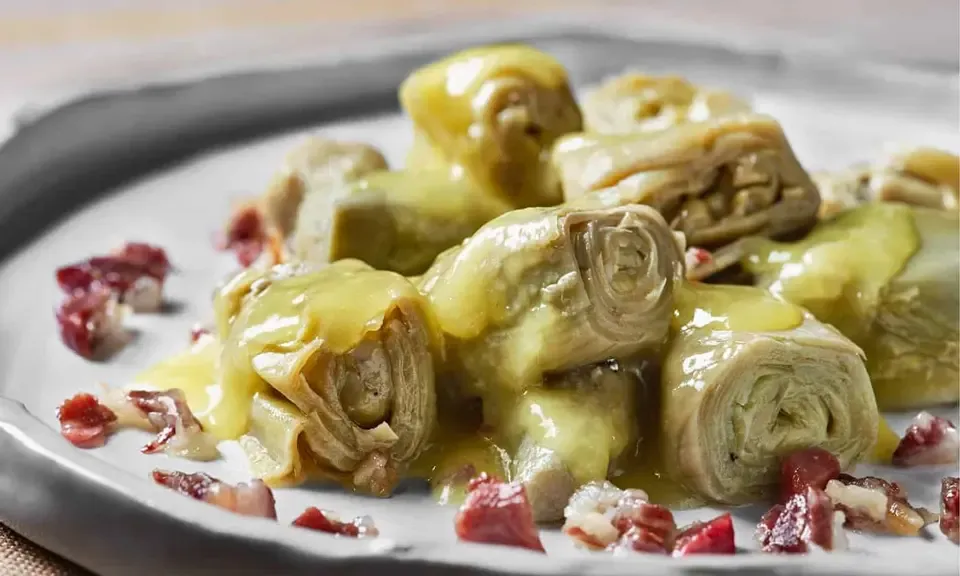
Alcachofas a la Montillana
Artichokes braised with Montilla-Moriles wine, ham, and aromatic herbs. A recipe that showcases the finest local produce of the Córdoba region.
Vegetable dish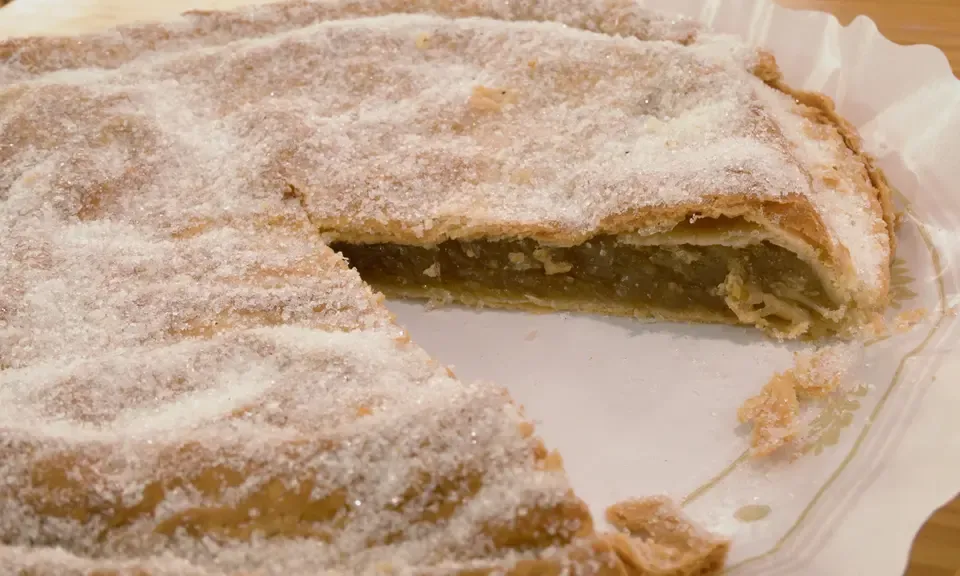
Pastel Cordobés
A flaky pastry filled with cabello de ángel (candied squash), dusted with almonds, cinnamon, and sugar. Best enjoyed with a glass of Pedro Ximénez.
Dessert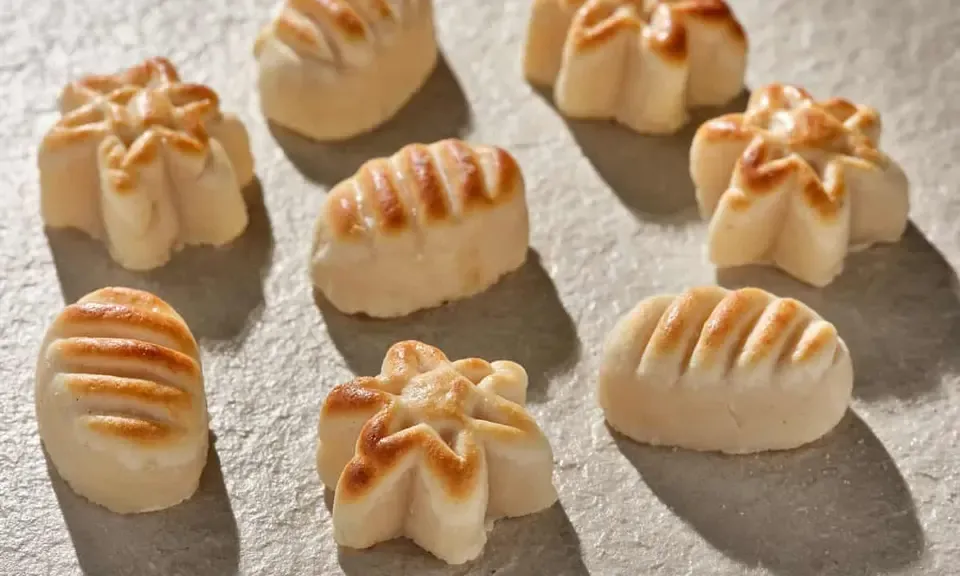
Mazapán of Córdoba
Almond marzipan confectionery, a legacy of Moorish Spain. Shaped into delicate figures, this artisan sweet is a must-try at Christmas.
ConfectioneryMust-try dishes in Córdoba
SalmorejoRabo de toroBerenjenas con mielFlamenquínMazamorraAlcachofas a la montillanaPastel cordobésTortilla de patatas
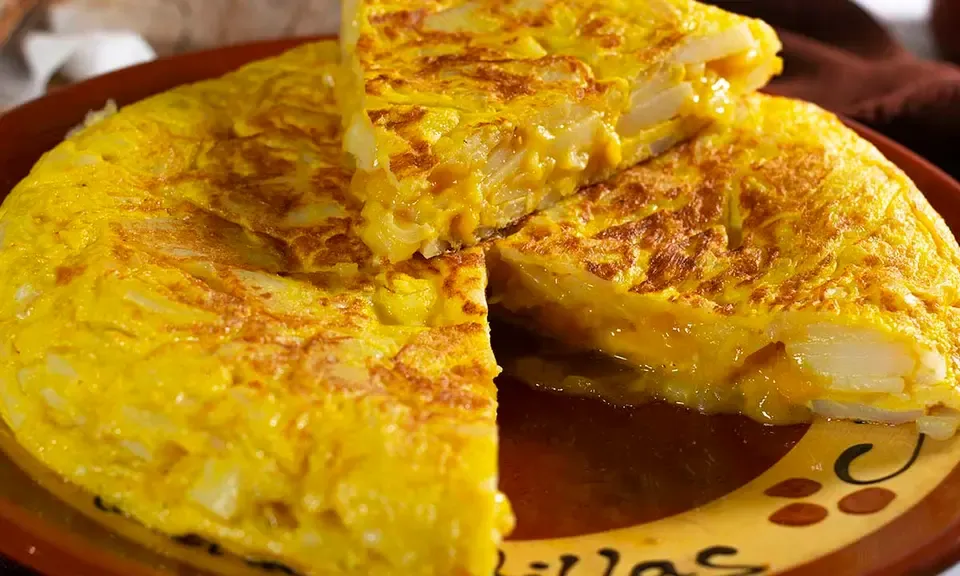
Spain's favourite omelette
Tortilla de Patatas
The Spanish potato omelette is THE national dish. In Córdoba you'll find tortilla in every tapas bar, but Bar Santos has turned it into an art form — their giant, gloriously creamy tortilla draws queues from across the city.
The wines of Montilla-Moriles
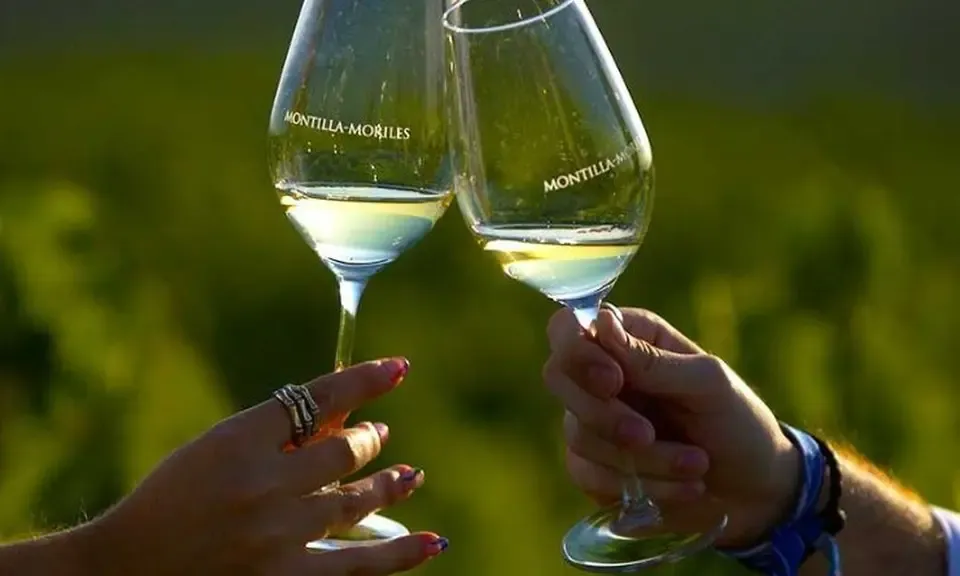
The Córdoba region produces distinctive wines from the Pedro Ximénez grape. The Montilla-Moriles appellation covers a spectrum from bone-dry fino to the famously luscious Pedro Ximénez dessert wine. In the city itself, Bodega Guzmán — a century-old institution in the Judería — keeps the tradition alive by serving these wines straight from the barrel in a warm, authentic atmosphere. Craft beer is also on the rise: Cervecería Califa, Córdoba's first craft brewery (2013), pours its local creations in the historic centre.
- Fino — dry and crisp, the classic tapas companion (and the base of a rebujito)
- Amontillado — nutty and amber-hued, pairs beautifully with meat dishes
- Pedro Ximénez — rich and sweet, the perfect dessert wine
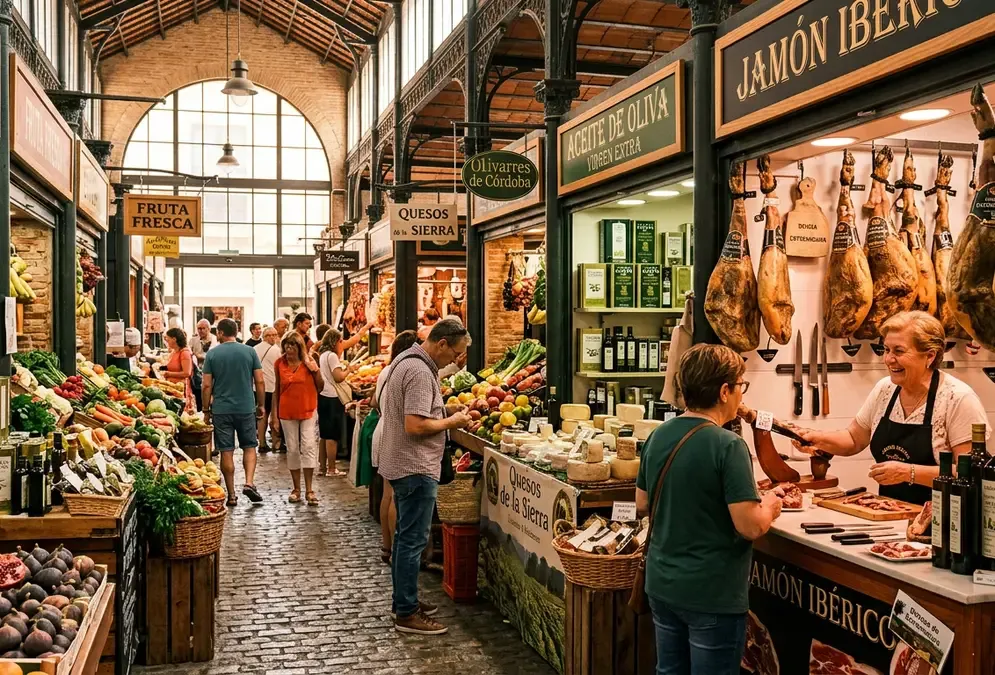
Mercado Victoria holds 30+ stalls open until 2am on weekends. Mercado de la Corredera serves a mostly-local morning crowd.
Where to eat these specialities?
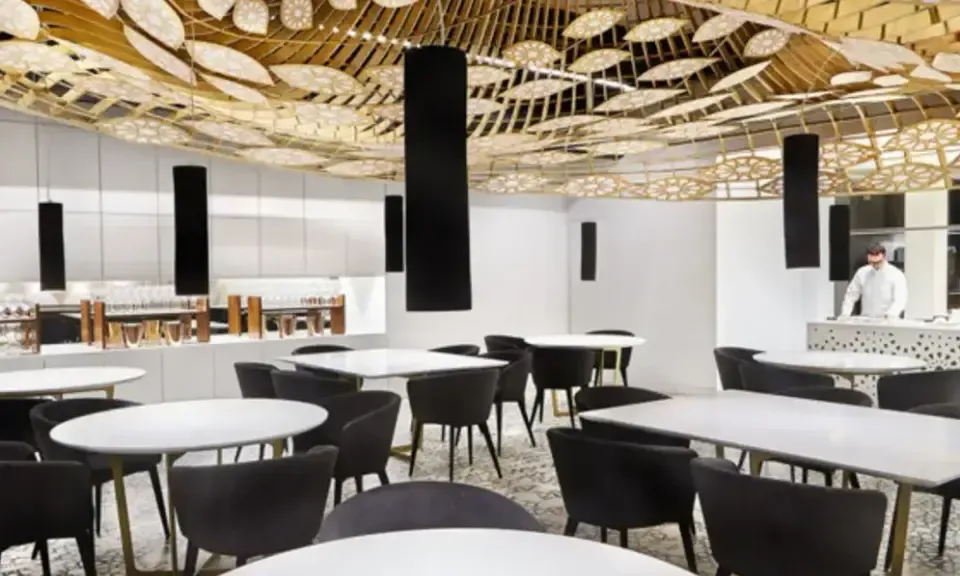
3 Michelin stars
Noor
Chef Paco Morales reimagines the cuisine of Al-Andalus in an extraordinary tasting-menu experience.
Ciudad Garden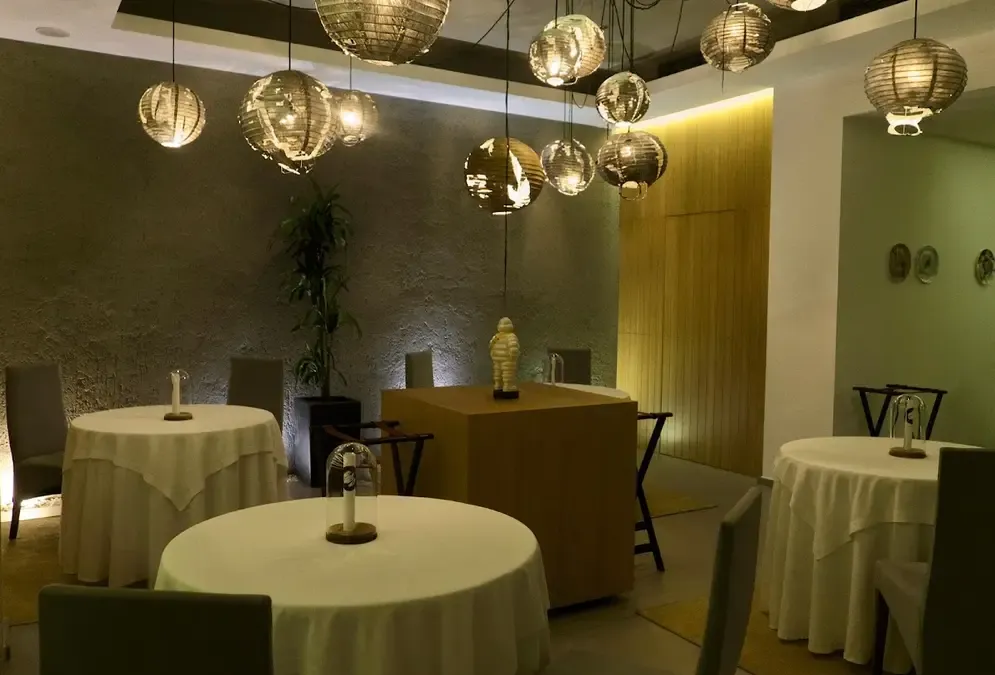
1 Michelin star
Choco
Creative Andalusian cuisine by chef Kisko García. A cornerstone of Córdoba's fine-dining scene.
Centro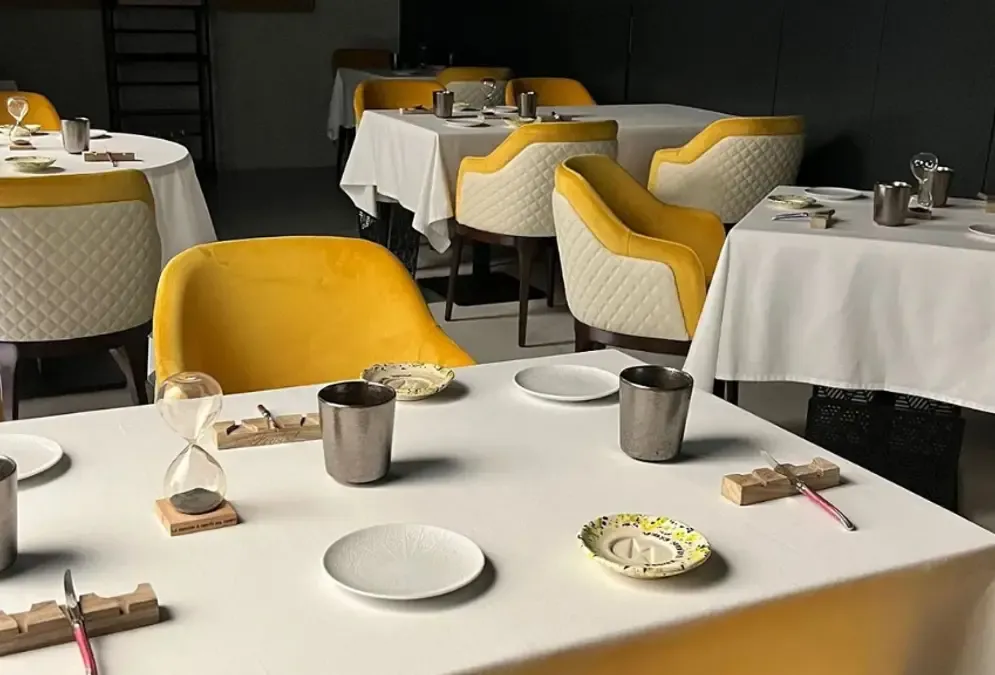
1 Michelin star New 2026
ReComiendo
Chef Periko Ortega reinvents childhood food memories. Córdoba's newest Michelin star.
CentroGood value, taken seriously
Michelin's Bib Gourmand recognises restaurants where you eat well for roughly €35 a head, and Córdoba has two: both worth knowing about.
Bib Gourmand
La Taberna de Almodóvar
The shelves of tinned goods and earthenware jars give it the feel of an old-fashioned grocery, which is exactly what it used to be. The croquettes are the thing to order, and so is the mazamorra — Córdoba's almond-and-bread cousin to salmorejo that most visitors never encounter.
Benito Pérez Galdós 1 Bib Gourmand
Terra Olea
Contemporary cooking built around ingredients from the Arruzafilla district and the wider Córdoba province, with a menu that leans naturally toward vegetables without making a point of it. Local olive oils appear at every stage, which in this city is both habit and statement.
ArruzafillaThree markets worth your morning
Mercado Victoria, a covered gourmet market on the Paseo de la Victoria, holds around 30 stalls selling everything from ibérico cuts to craft beer, and stays open until 2 AM on weekends. For ingredients and local produce, Mercado de la Corredera operates in the porticoed square of the same name from early morning until 14:30 and draws a mostly local crowd. On the first Saturday of each month, the Ecomercado on the Bulevar de Gran Capitán adds a third option: 40+ stalls of certified organic produce, cold-pressed oils, and artisan sourdough — mostly regulars, free entry, and a very different atmosphere from the indoor markets. Full guide to Córdoba's markets →
Dinner in Córdoba is often just the beginning of the evening. For what comes after — flamenco shows, bar routes, night walks, and the best spots to end the night — see the Córdoba at Night guide.
Wine bars to extend your evening
For Montilla-Moriles wines and more in an authentic setting:
Explore Córdoba's food neighbourhoods
Each neighbourhood in Córdoba has its own culinary identity. From the historic Judería to the buzzing Centro, here is where to find the best of Córdoban food culture.
La Judería
Patio restaurants, Sephardic cuisine, and historic taverns clustered around the Mezquita-Catedral.
Centro
Mercado Victoria, tapas bars around Plaza de la Corredera, and Montilla-Moriles wine cellars.
San Basilio
Family-run tabernas in the heart of the patio neighbourhood — authentic local atmosphere guaranteed.
Pastries and sweet treats
Beyond the classics like pastel cordobés and mazapán, Córdoba also has artisan pastry shops well worth seeking out.
French pastry Centro
Pastelería Francesa
Tarte tropézienne, lemon-lotus cheesecake, quiche lorraine, and handcrafted cookies. A French pastry chef from Marseille brings the flavours of Provence to the heart of Córdoba.
€2–8 · TakeawayTraditional pastries
Córdoba's convents have been keeping 17th-century recipes alive for generations. The confiterías in the historic centre sell pasteles cordobeses and dulces de almendra (almond sweets).
La Flor de Córdoba, Pastelería RoldánCool down: ice cream shops
With summer temperatures regularly topping 40°C, Córdoba's ice cream shops are an essential stop. Artisan Italian gelato, traditional helados, or an icy granizado — here are our favourite spots.
Buonisssimo
Chef Paco Morales' favourite ice cream parlour. Artisan Italian gelato.
RiberaLa Flor de Levante
An institution since 1934. The Copa Cordobesa is legendary.
CentroDavid Rico
On Las Tendillas since 1936. Try the crema catalana and helado de turrón.
CentroPiacerino
Opened 2025. 100% artisan gelato and chocolate, natural ingredients, seasonal sorbets. Perfect 5-star TripAdvisor score.
Historic centreGuides by dietary preference
Córdoba caters to all dietary needs, with dedicated restaurants and certified options throughout the city. For informal eating, our street food guide covers the city's best outdoor stands and casual bites — and the food markets guide maps the covered markets worth visiting.
A food day in Córdoba
Spanish meal times feel late if you are arriving from northern Europe or North America. Here is how a full food day in Córdoba actually unfolds.
9:00 — Morning
Coffee and a tostada con tomate at any neighbourhood bar. Córdoba starts the day this way. Do not skip it trying to save space for lunch.
13:00 — Midday tapas
The first tapas window opens. Bar Santos for tortilla. Bodega Guzmán for fino from the barrel. Two stops, two rounds each, then move on to lunch.
14:00–16:00 — Lunch
The main meal of the day. Start with salmorejo. Order the rabo de toro if you are at a traditional taberna. Finish with a pastel cordobés. Restaurants fill by 14:30 and clear by 16:00.
16:00–20:00 — Afternoon
Most traditional restaurants close. The patios open, the pace drops. A sensible time for a walk and a helado from La Flor de Levante or Buonisssimo. Nothing heavier.
20:00 — Evening tapas
The better of the two tapas windows. Cooler, fuller, more animated. Order amontillado instead of fino. The locals are here now. This is the session worth staying for.
21:30 — Dinner
If you booked Noor or Choco, your table is now. Otherwise, find a neighbourhood taberna with no printed menu and a fixed-price menú del día. Both are the right choice.
Frequently asked questions
What is the difference between salmorejo and gazpacho?
Both are chilled Andalusian tomato soups, but they are quite different. Salmorejo (a Córdoba specialty) is very thick and creamy — made from just tomato, bread, olive oil, and garlic — served topped with diced ibérico ham and crumbled hard-boiled egg. Gazpacho is lighter and liquid, drunk straight from a glass, and made with more vegetables. In Córdoba, always order the salmorejo — it is the city's signature dish.
What wines are typical of Córdoba?
The Córdoba region produces the wines of the Montilla-Moriles DO, made primarily from the Pedro Ximénez grape. The main styles are: fino (dry and crisp — the classic tapas companion), amontillado (nutty, amber-hued), and Pedro Ximénez (rich and sweet — the perfect dessert wine). Taste them straight from the barrel at Bodega Guzmán, a century-old institution in the Judería.
What time do people eat in Córdoba?
Córdoba follows traditional Spanish meal times: lunch is served from 14:00 to 16:00, dinner from 21:00 to 23:00, and tapas are available from around 13:00 and again from 20:00. Arriving outside these windows may mean limited options at traditional restaurants.
Can you eat vegetarian or vegan in Córdoba?
Yes. Córdoba has several well-regarded vegetarian and vegan restaurants, including Terra Olea (Michelin Bib Gourmand), La Bicicleta, and Amaltea. Many traditional Córdoban dishes are naturally vegetarian: salmorejo (without ham), berenjenas con miel, pisto, and gazpacho.
Are there gluten-free restaurants in Córdoba?
Yes. Córdoba has over 30 certified gluten-free establishments backed by the Red Córdoba Sin Gluten network. Highlights include Sociedad Plateros (a national benchmark with a 100% dedicated kitchen since 2011), Cielito Lindo (100% gluten-free Mexican), and Sana Locura (a FACE-certified artisan bakery-cafe with no gluten anywhere in the building — awarded best bakery for coeliac travellers in Spain by Influceliac in 2025).
Can you take a food tour or cooking class in Córdoba?
Yes. Several operators offer guided food tours (3 hours, covering tapas bars, markets, and local specialties) and cooking classes where you can learn to make salmorejo, flamenquín, or paella. You can also book an olive oil tasting — Córdoba province produces some of Andalusia's finest EVOO.
Further reading
Official sources
- Michelin Guide — Restaurants in Córdoba (opens in a new tab)
Official Michelin Guide listing starred restaurants and Bib Gourmand selections in Córdoba
- Noor Restaurant (opens in a new tab)
3-Michelin-star restaurant by chef Paco Morales, reimagining the cuisine of Al-Andalus
- Spain.info — Gastronomy (opens in a new tab)
Official Spanish tourism guide to Andalusian gastronomy
- DO Montilla-Moriles (opens in a new tab)
Denominación de Origen for Montilla-Moriles wines