Search the site

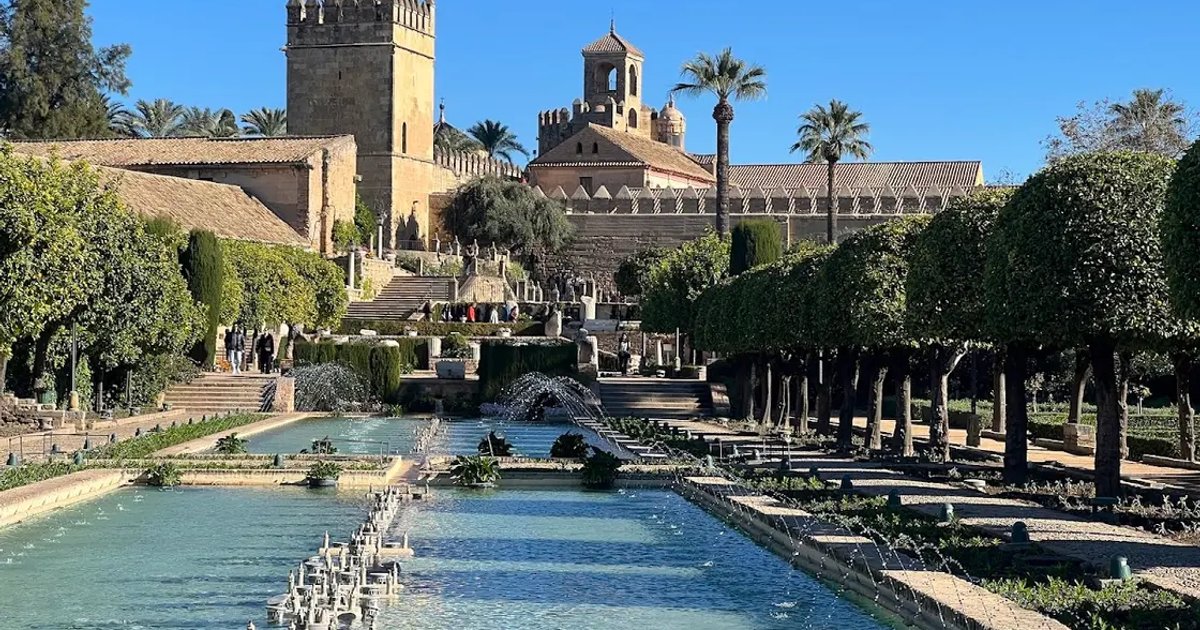
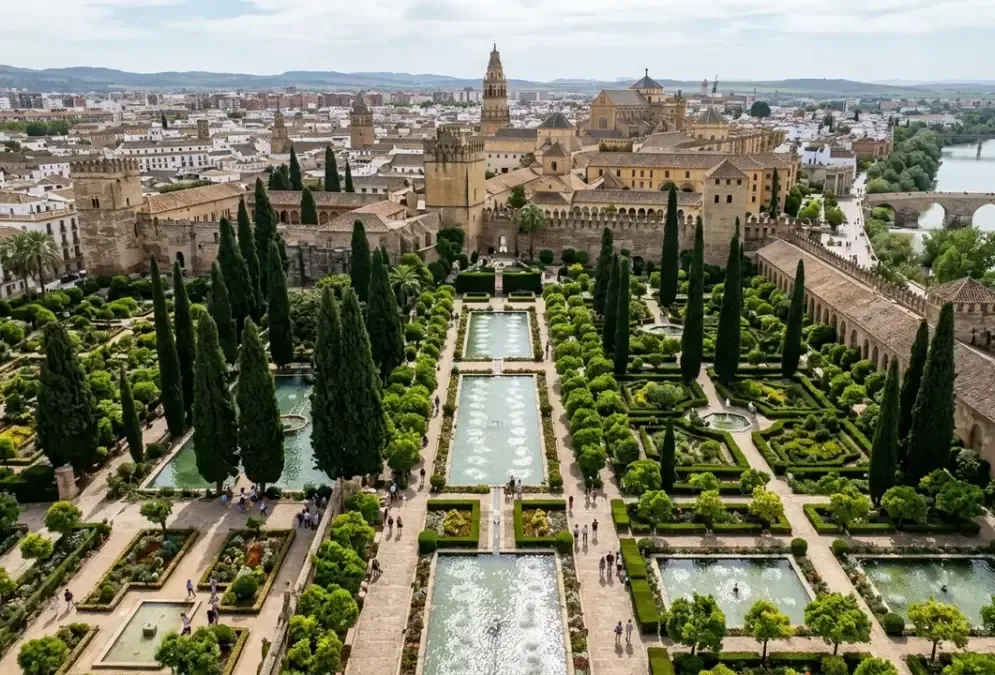
Alcázar de los Reyes Cristianos and its terraced gardens
Activities guide

Things to Do in Córdoba

What to do in Córdoba depends on when you go, which barrio you're standing in, and what kind of traveler you are. Here's how locals think about it.

Córdoba at a Glance

Best time
April–June (patios, mild weather)
Ideal stay
2–3 full days
Budget range
Free walks to ~€30 experiences
Getting around
Walkable centre; bus to Medina Azahara
Climate note
40°C+ summers — plan indoor afternoons
Language
Spanish; English at major sites

Jump by theme

Quick navigation

Move directly to the type of Córdoba experience you want to prioritize first.

Start Here

How would you like to spend your time in Córdoba?

Use these 3 paths to move from inspiration to action without guessing which guide or booking page should come next.

First Visit

See the essentials first

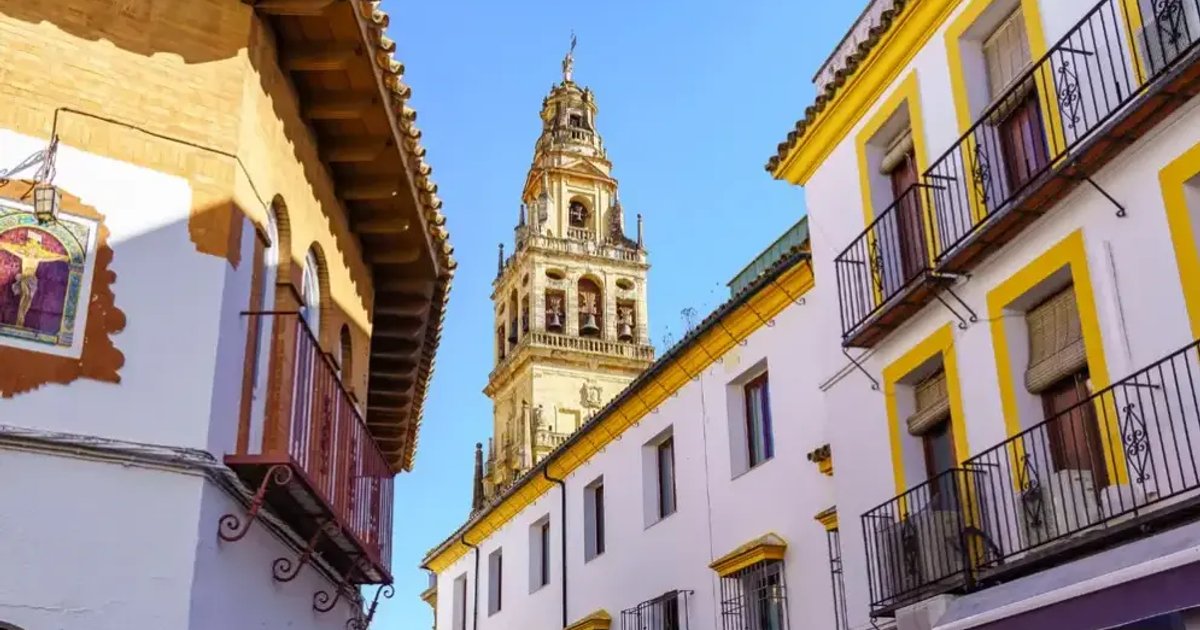
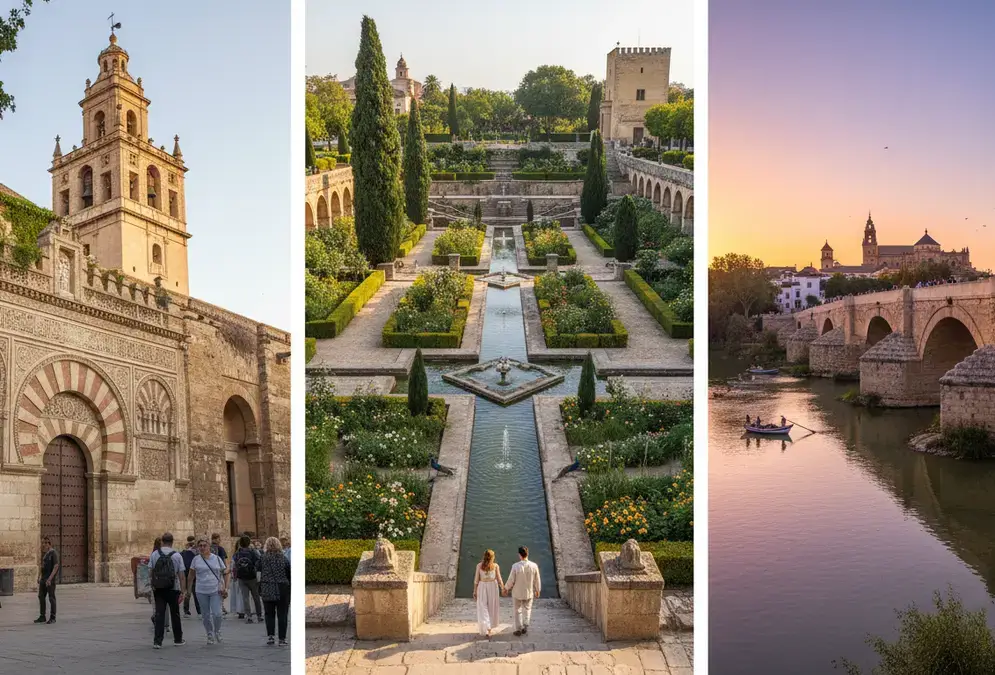
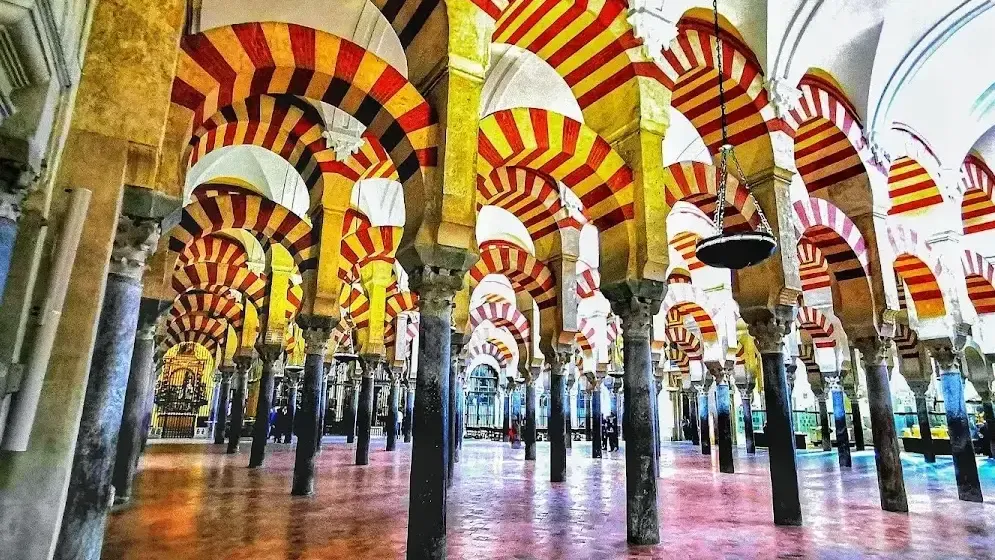
The Mezquita opens at 8:30am — arrive then and the forest of 856 columns is yours, with morning light angling through the lanterns. Walk to the Alcázar gardens by 10am before the heat locks in, then join a free walking tour that covers the Roman Bridge and the Judería's narrow callejuelas.
Culture & Slow Travel

Go deeper into neighborhoods and culture

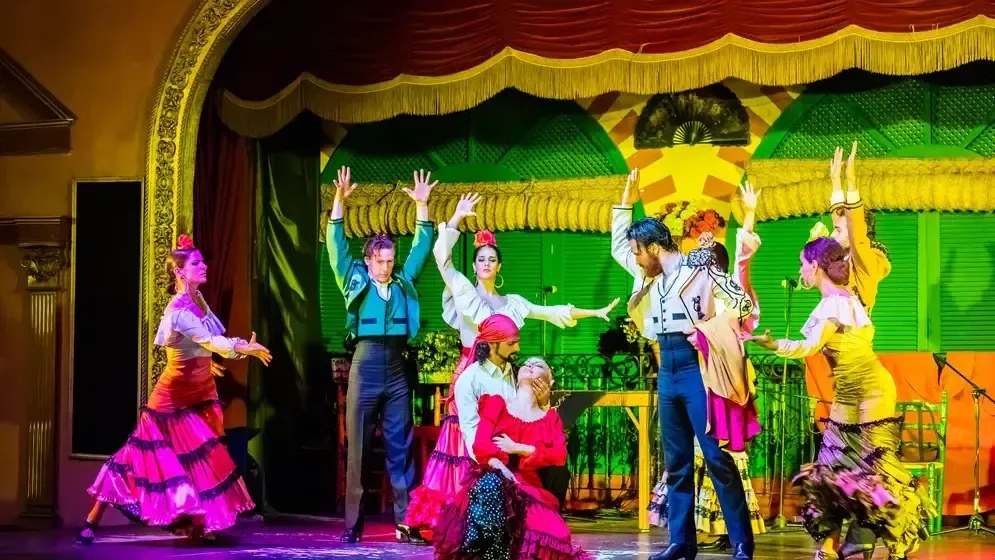
Start in the San Basilio backstreets and the artisan workshops around the Zoco — quieter than the main quarter and more honest about how the city actually works. Spend the afternoon inside the Judería neighborhood, then book a flamenco show or follow the Literary Córdoba trail as the light fades.

Couples & Weekends

Evenings, romance, and Córdoba at its own pace

Córdoba at its best is an evening city: catch the sunset from the Roman Bridge, then find a restaurant with a patio for dinner under the stars. End at the Arab baths — an hour in the hammam closes the day better than any monument.

01

Must-See Sites

Curated and prioritized for your stay

Two days in Córdoba, six sites: this is the shortlist locals would give you without hesitation. Which ones to tackle first depends on the season you visit and how many mornings you have — the ordering below reflects that.

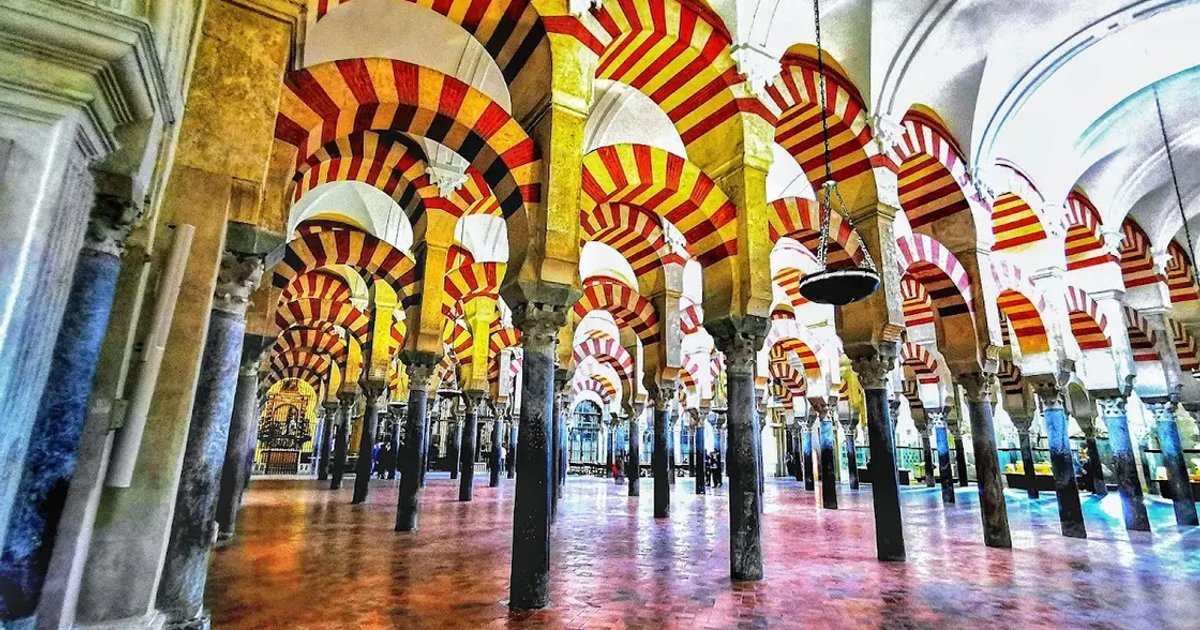
Interior arches of the Mezquita-Cathedral in Córdoba
UNESCO

Mezquita-Cathedral

Córdoba's defining monument: the forest of columns, the glittering mihrab, and the cathedral inserted into the former mosque.

Arrive at 8:30am opening: columns to yourself, morning light at its best.

Allow 90-120 min From €13
See Visitor Guide
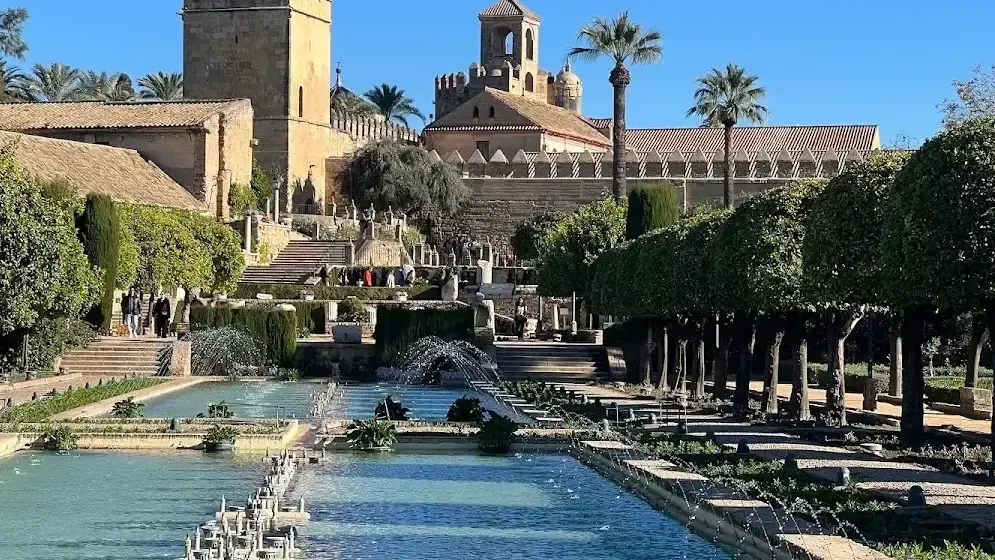
Gardens and towers of the Alcazar de los Reyes Cristianos
Monument

Alcázar de los Reyes Cristianos

Walk the fortress where Columbus met Isabella I, then slow down in the formal gardens and terraces overlooking the old city.

Tour the gardens first; the interior gets crowded and hot by mid-morning.

Allow 60-90 min From €5
Read Monument Guide
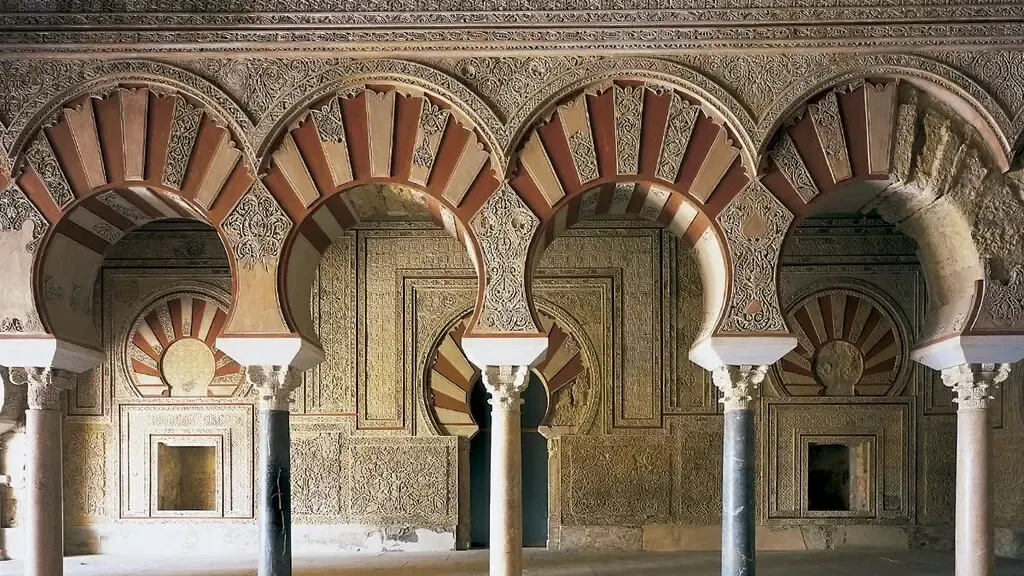
Ruins of Medina Azahara near Córdoba
UNESCO

Medina Azahara

The ruined caliphal city 8 km outside Córdoba rewards visitors who want something bigger than the historic centre alone.

Book the official shuttle bus from the city; a taxi costs three times as much.

Allow 2-3 hours EU entry free
Read Monument Guide
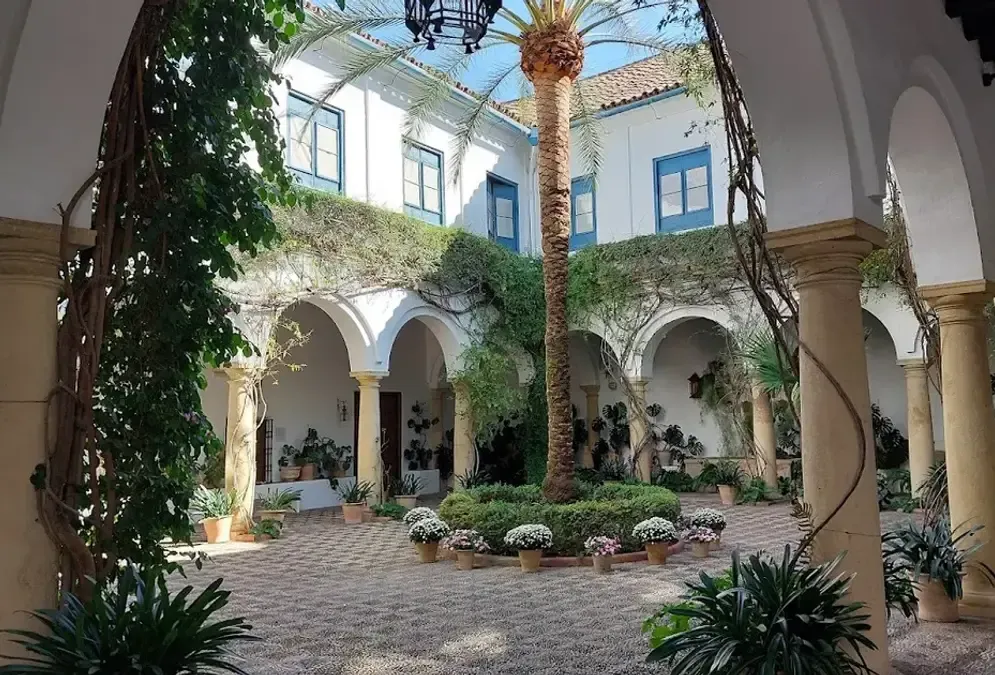
Courtyard inside the Palacio de Viana in Córdoba
Patios

Palacio de Viana

The easiest way to understand Córdoba's patio culture year-round, with 12 courtyards gathered inside one Renaissance palace.

The most reliable patio experience outside festival season: twelve courtyards, no crowds.

Allow 60 min From €6
Read Palace Guide
Historic Site

Synagogue

One of only 3 surviving medieval synagogues in Spain, best visited as part of a slower walk through the Judería.

EU residents enter free; tour groups skip it, so you rarely share the space.

Allow 30 min EU entry free
Read Monument Guide
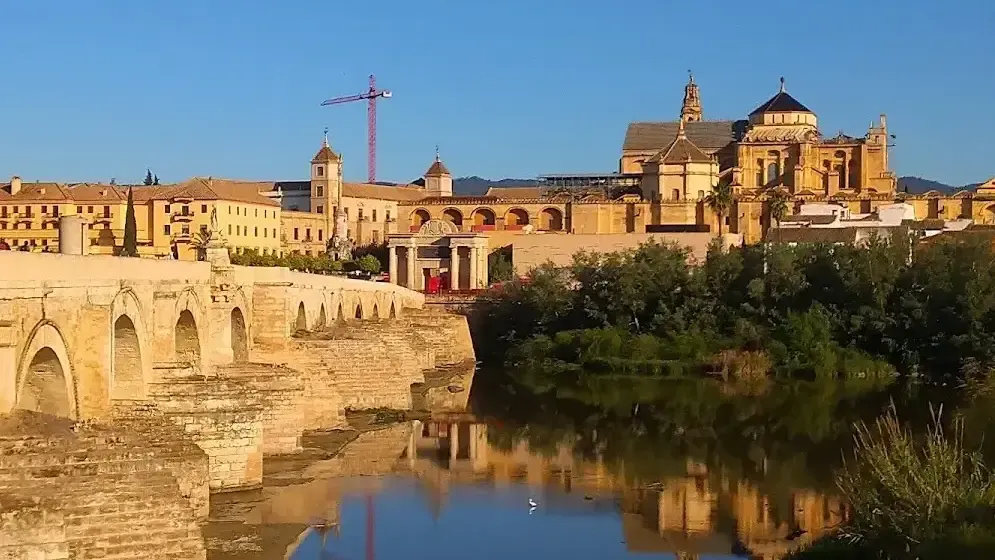
Roman Bridge over the Guadalquivir in Córdoba
Free

Roman Bridge

Go near sunset for Córdoba's most reliable wow moment: the Mezquita skyline reflected over the Guadalquivir.

Come at sunset: the Mezquita lights up and its reflection crosses the whole river.

Allow 15-30 min Free
See Evening Spot Guide
02

Hidden Córdoba

What locals do that tourists miss

The Judería rewards slow walking more than any other part of Córdoba. But most visitors follow the same lane to the same flowers. Here's where to turn instead.

Arab baths and reset time

A hammam session works especially well after a monument-heavy morning or before an evening flamenco plan. Reserve ahead in spring and autumn.

From €29 Best as a midday break
Walking tour group in Córdoba's historic centre

Free Walking Tour

Pay What You Wish

The fastest way to get oriented on a first day. Expect 2 hours, daily departures, and a route covering the Mezquita, Judería, Roman Bridge, and Alcázar.

2 hours Daily at 10:30 Tendillas or Plaza del Triunfo

Shopping and local crafts

Use this if you want a slower afternoon around workshops, leather goods, silver filigree, and ceramics instead of stacking more monuments.

Zoco Municipal 10:00-20:00 Free entry

Quiet street alternatives

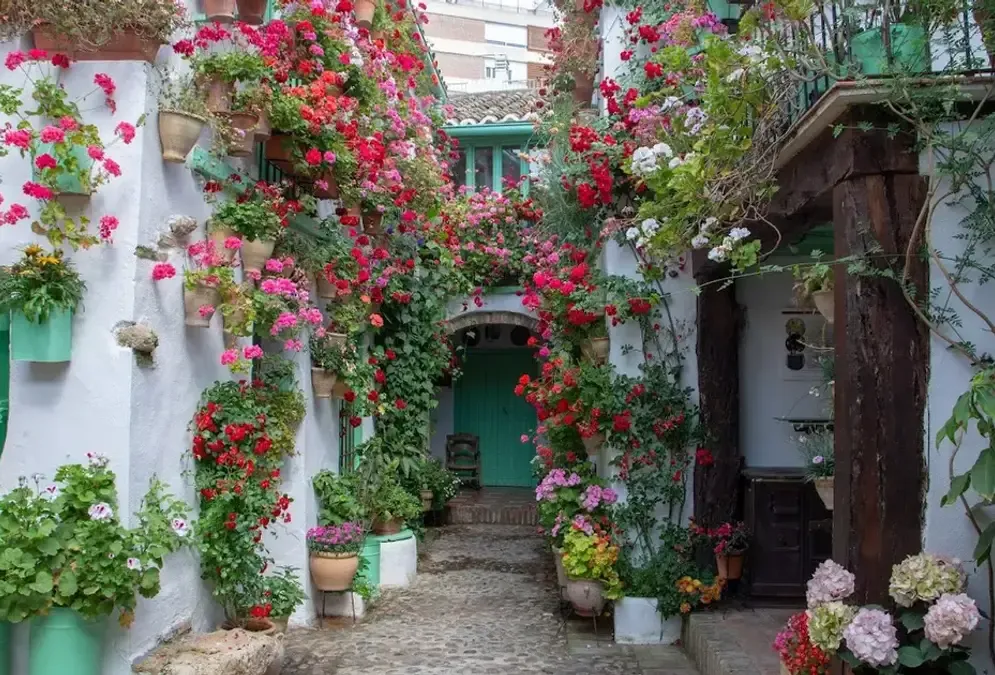
Calleja de las Flores draws crowds from 10am on. The backstreets of San Basilio — Calle Encarnación, the lane beside the Roman Wall — have the same whitewashed walls, the same flower pots, none of the queues. Best before 9:30am or after 6pm when the light angles in from the west.

Artisan workshops and tea houses

Near the Zoco, silversmiths still produce Córdoba-style filigree by hand in workshops that have been on the same street for decades. The ceramics on Calle de la Feria are made here, not imported. For a slower stop: the teterías in the old quarter serve Moroccan mint tea with honey pastries in tiled rooms the tour groups don't reach.

03

Culture and Festivals

Shows, festivals, and the city's intellectual legacy

Córdoba runs a festival calendar that few Spanish cities match. The headline events come thick from February through May — but the cultural depth runs year-round, in the tablaos, the museums, and the streets that carry eight centuries of layered history.

Festival calendar

Feb Carnival (Chirigotas, street parades)
Mar–Apr Semana Santa (Holy Week processions)
May Cruces de Mayo, Patios Festival, Feria
Jun–Aug Guitar Festival, night visits to Mezquita

If you miss the Patios Festival, Palacio de Viana's 12 courtyards are open every day of the year. The atmosphere is quieter without the competition crowds — which most visitors who've seen both actually prefer.

Literary and intellectual Córdoba

Córdoba produced Seneca the Elder, Averroes, and Maimonides — three thinkers whose work shaped philosophy, medicine, and theology across centuries. The medieval poet Ibn Arabi and the baroque poet Góngora lived here too. The Alcázar and the Judería carry their presence still. This is a city that thought its way into history, not just built it.

04

Córdoba by Neighborhood

Each barrio has its own personality

Córdoba is small enough to walk end to end in twenty minutes, but each barrio has its own personality. Picking the right neighborhood for your mood is half the experience.

05

Walking Córdoba

Self-guided routes with insider stops

The historic centre is compact enough to cross in twenty minutes — but walking slowly, with a route that knows where to turn, is how the city reveals itself. These routes were designed with stops the standard maps leave out.

Featured Walking Routes

Themed routes covering heritage, food, patios, and the riverside — all designed for independent exploration.

Jewish Quarter Heritage Walk

Nine stops through the medieval Jewish quarter: the Synagogue, the Roman Wall remnants, Calleja de las Flores before the crowds arrive, and the Roman Bridge at the end. 1.8 km, two to three hours, works best in the morning.

Start this walk
06

Córdoba Gastronomy

By budget, by dish, by what locals actually order

Andalusian food is honest and ingredient-driven. Córdoba sits in olive country at the edge of the Montilla-Moriles wine region — the cooking reflects both. Knowing a few dishes and a rough price range before you eat turns lunch from a coin-toss into a good story.

Traditional salmorejo served in Córdoba

Must-try dishes

Salmorejo

Thick chilled tomato soup with garlic and bread, usually topped with egg and serrano ham.

Rabo de toro

Slow-braised oxtail and one of the city's most recognizable long-cooked comfort dishes.

Flamenquín

Breaded pork loin roll with serrano ham inside, served as a hearty local classic.

Berenjenas con miel

Fried aubergines finished with cane honey for the most Andalusian sweet-savoury combination on the menu.

Food and wine experiences

Montilla-Moriles wines

Book a tasting if you want Pedro Ximénez and amontillado in the place where the local wine culture actually lives.

Tapas crawl

Use this route if you want to turn dinner into a moving evening through the Judería or Plaza de la Corredera.

Fine dining

Noor is the choice if you want a full gastronomic evening anchored in contemporary Al-Andalus cuisine.

Book Noor

Gastronomy by budget

Free

€0 · no spend required

  • Olive oil samples at Mercado Victoria
  • Market browsing at Plaza de la Corredera
  • Free tapas on drinks at local bars

Under €15

per person, with wine

  • Salmorejo and croquetas at a local bar
  • Lunch at Mercado Victoria food stalls
  • Tapas crawl through the Judería

Splurge

€80–150+ per person

  • Noor (contemporary Al-Andalus tasting menu)
  • Curated Montilla-Moriles wine tasting
  • Private food tour with a local guide
Local tip: If there are laminated photos on the menu and someone calling you in from the door, keep walking. Two blocks from the Mezquita in any direction, the food gets better and cheaper.
07

Córdoba by Season

When you visit shapes what you experience

Córdoba is a year-round destination, but each season reveals a different city. The festival calendar, the temperature, and the crowd levels all change enough to matter when you're planning what to do.

08

Nature and Relaxation

Green spaces, the river, and outdoor breaks

Córdoba is not just monuments. The Guadalquivir runs free beside the Roman Bridge, the Alcázar gardens are underrated as a standalone visit, and the Sierra de Córdoba hills are fifteen minutes from the centre. This section is for the afternoon you decide to step out of tourist mode.

Summer planning tips

In July and August, Córdoba often tops 40°C. Front-load monument visits, keep the middle of the day flexible, and shift scenic walks or nightlife into the evening.

“Córdoba at its best is an evening city.”
— ExploreCordoba
09

Nightlife and Romantic Córdoba

Evenings out and the city after dark

Córdoba after dark has two distinct modes: lively terraces and wine bars along the river, and a slower romantic city of lamp-lit lanes and hammam sessions. Both are worth planning for.

After Dark

La Ribera and Plaza de la Corredera are where locals go for wine bars, cervecerías, and late terraces. Most bars stay open past midnight; dinner typically starts at 9–10pm.

Night visit to the Mezquita

In July and August, the Mezquita opens after dark for the sound-and-light experience. It is one of the clearest reasons to save part of your day for the evening.

€18 Advance booking required
Evening terrace scene in Córdoba's Ribera district

Bars and terraces

Corredera and Ribera are the easiest places to build an evening around wine bars, cervecerías, and terraces that stay lively past midnight.

Wine bars Cervecerías Late terraces

Roman Bridge at sunset

Córdoba's most dependable free evening plan, especially if you want views of the illuminated Mezquita without booking anything.

See Sunset Spot Guide

Romantic Córdoba

Córdoba at its most romantic is an evening sequence: the Roman Bridge at sunset, dinner in a patio restaurant with candlelight, then a hammam session in the Arab baths. The Judería's lamp-lit lanes at dusk add the atmosphere without needing a plan.

10

Plan Your Trip

Getting there, getting around, and saving money

How to get there

The AVE high-speed train from Madrid takes 1 hour 45 minutes and is the most comfortable option. From Seville it is a 45-minute AVE or a 2-hour bus; from Málaga and Granada, bus or car.

Getting around

The historic centre is fully walkable. You rarely need transport within it. Bus line 5 connects the train station to Medina Azahara; taxis are reliable for early departures or airport runs.

Money-saving tips

EU residents enter the Mezquita free on Monday mornings from 8:30 to 9:30am (verify current policy before visiting). Many of the best experiences: the Roman Bridge at sunset, the San Basilio patio walk, Plaza de la Corredera: all free.

Frequently Asked Questions

How many days do you need in Córdoba?

Two full days covers the main sites without rushing. Three days lets you explore the neighborhoods and eat properly. A day trip from Seville or Granada is possible, but you will leave wishing you had stayed longer.

Is Córdoba worth visiting?

Yes. It is probably Spain's most underrated city. The Mezquita alone justifies the trip. The patios, the food, and the sheer quiet of the Judería after the tour groups leave make most visitors want to come back.

What is Córdoba most famous for?

The Mezquita-Cathedral is the obvious answer: one of the most extraordinary buildings in the world. Beyond that: the Patios Festival (UNESCO intangible heritage), its role as the medieval capital of Al-Andalus, and the philosophers it produced (Seneca, Averroes, Maimonides).

Is Córdoba walkable?

Extremely. The entire historic centre fits within 15 to 20 minutes on foot. You can walk from the train station to the Mezquita in 25 minutes. The only exception is Medina Azahara, 8km outside the city, which requires bus line 5 or a taxi.

What should I not miss in Córdoba?

The Mezquita at opening time (8:30am, before tour groups arrive), the Alcázar gardens, a slow walk through San Basilio, and a meal with salmorejo and local Montilla-Moriles wine. Those four are non-negotiable. If you have extra time, add the Synagogue and the Roman Bridge at sunset.

Is Córdoba expensive to visit?

Budget-friendly by Spanish standards. EU residents can enter several monuments free (Mezquita on Monday mornings 8:30-9:30am, verify current policy). Tapas at the market are cheap. You only spend serious money if you book a private tour or eat at Noor (two Michelin stars).

What to do in Córdoba when it's hot?

Front-load your sightseeing before noon, take a proper lunch break from 1 to 4pm, then resume in the evening. The Arab Baths (Baños Árabes) are a good midday escape. The Mezquita runs night visits in July and August, which is the best way to see it in summer.

Can you visit the patios year-round?

Yes. Palacio de Viana has 12 courtyards open year-round and is worth visiting outside festival season when it is quieter. In the San Basilio neighborhood you can see patios through iron gates any time. The Festival itself runs only in May.

Is Córdoba better than Seville?

They are different trips. Córdoba is quieter, more intimate, and less crowded. Seville has more nightlife and a bigger flamenco scene. For history and architectural depth, Córdoba often wins. Most people who do both in the same trip say they underestimated Córdoba.

What food should I try in Córdoba?

Salmorejo (thick chilled tomato soup), rabo de toro (slow-braised oxtail), flamenquín (breaded pork roll), and berenjenas con miel (fried aubergine with cane honey). For wine, Montilla-Moriles is the local appellation. At the market stalls, a full lunch with wine costs under 15 euros.

Is one day enough for Córdoba?

For a day trip from Seville: yes, if you focus on the Mezquita, Roman Bridge, and a walk through the Judería. You will cover the essentials but skip the food, the neighborhoods, and the slower moments. Most people who do one day wish they had done two.

What is the best month to visit Córdoba?

May is the classic answer: the Patios Festival runs mid-month, the weather is mild, and the city is at its most photogenic. October is underrated: warm, much emptier, and the olive harvest adds local texture. March and April offer spring weather without May's festival crowds.

Official sources

This guide draws on official and recognised sources to ensure the accuracy of the information provided.

Still on the fence about adding Córdoba to your trip? Our guide to whether Córdoba is worth visiting covers the honest case for and against — with comparisons to Seville and Granada.