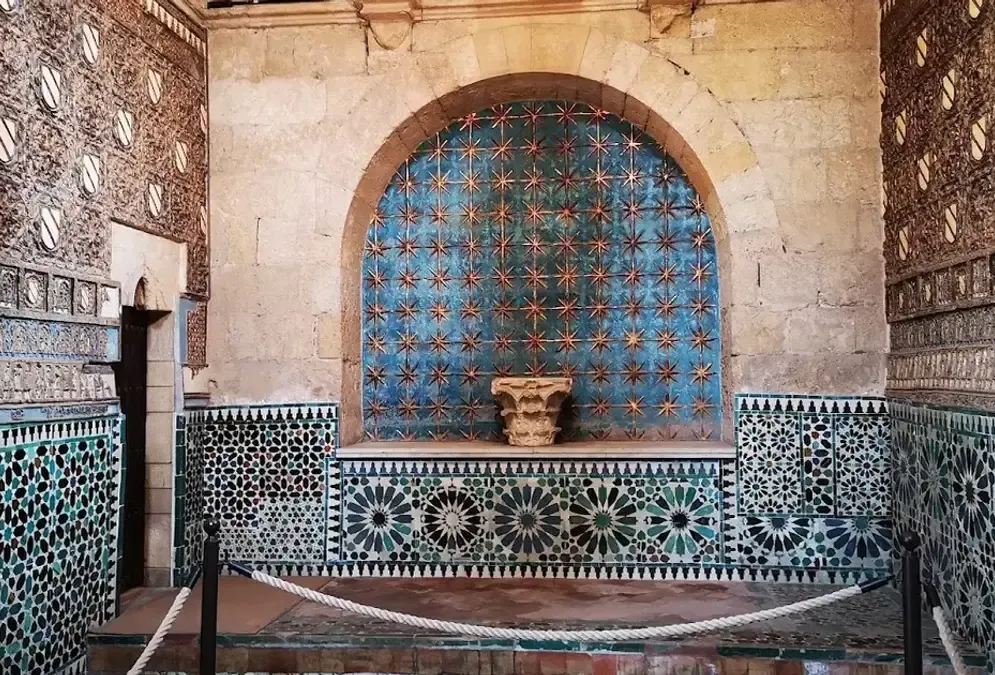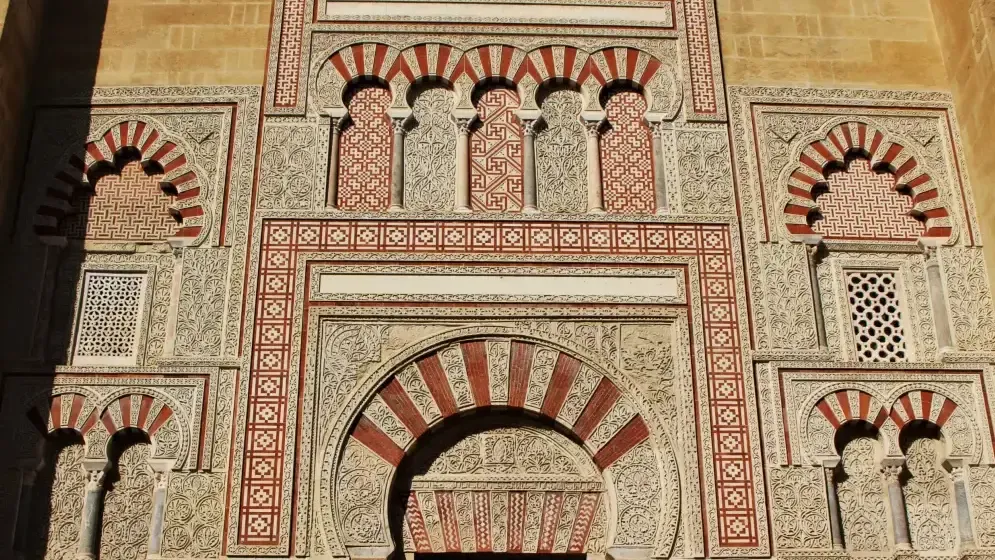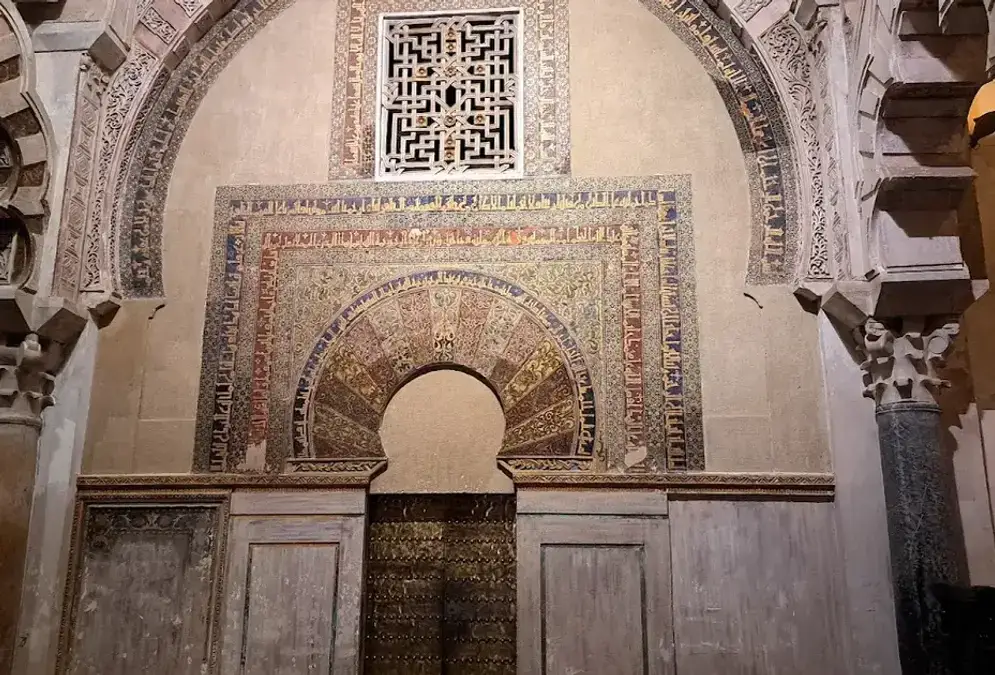

The Sinagoga de Córdoba, built in 1315, is one of only three surviving medieval synagogues in Spain, the other two being in Toledo. Its walls carry Mudéjar stucco with Hebrew inscriptions from the Psalms — work that shows how Muslim craftsmen of the period built for Jewish and Christian patrons alike, using the same geometric vocabulary regardless of the building's faith.
A Witness to Hispano-Moorish Art
The synagogue dates from the early 14th century, when Córdoba's Jewish community still worked within the broader Hispano-Moorish artistic tradition. After the expulsion of the Jews in 1492, the building served successively as a hospital for rabies patients, a Catholic hermitage, and a guild headquarters. Rediscovered and restored in the 19th century, it was declared a national monument in 1885.
The Stucco Work and Hebrew Inscriptions
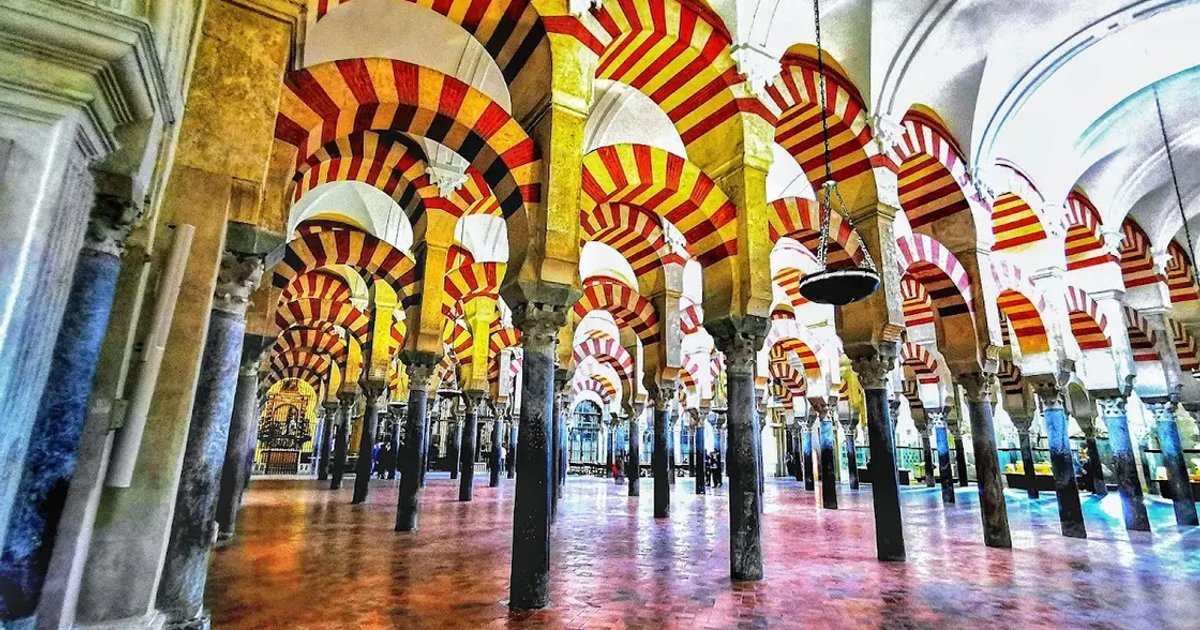
The stucco covering the prayer hall walls incorporates Hebrew inscriptions from Psalms 92 and 93 alongside geometric patterns familiar from contemporary mosques and churches. The Córdoba architecture guide covers how this shared geometric vocabulary moved between Jewish, Christian, and Muslim patrons — and why a single workshop could credibly build for all three. The upper gallery, used by women according to synagogue tradition, survives intact. The eastern wall marks the location of the Holy Ark that once housed the Torah scrolls. The building measures 6.37 by 6.95 metres — small enough to take in fully from the entrance, but worth slowing down for the detail work.
Visiting Tips
The visit takes 20 to 30 minutes. Free entry for EU citizens, €0.30 for other nationalities. Best time: mornings between 9am and 11am to avoid crowds and get the natural light that brings the stucco surfaces to life.
A Walk in the Judería
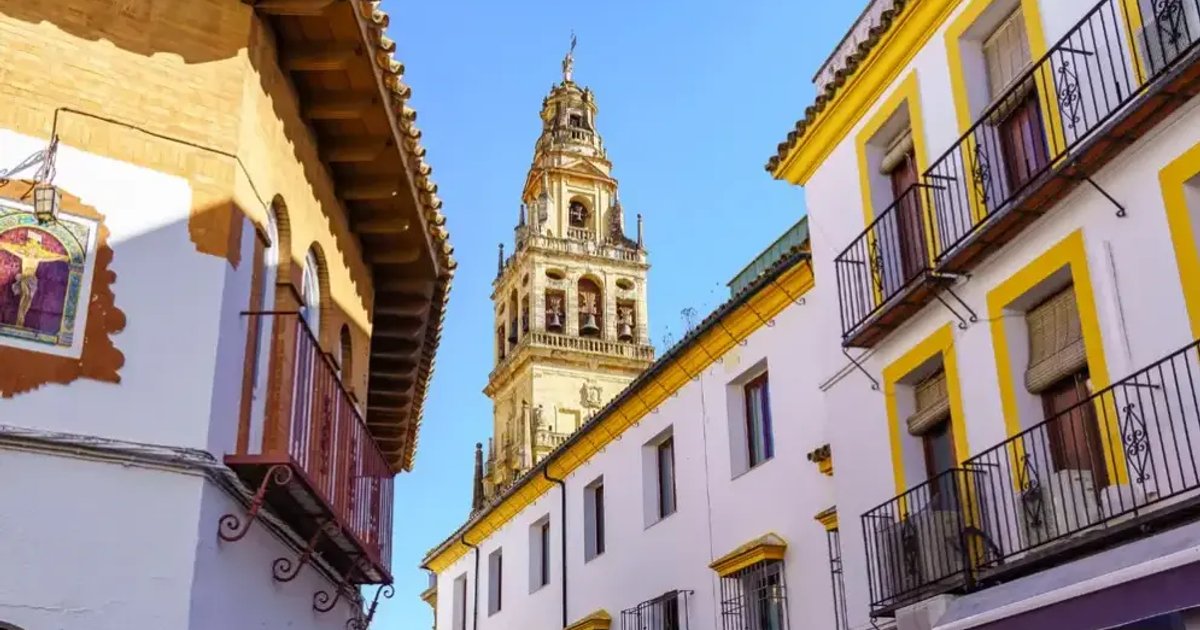
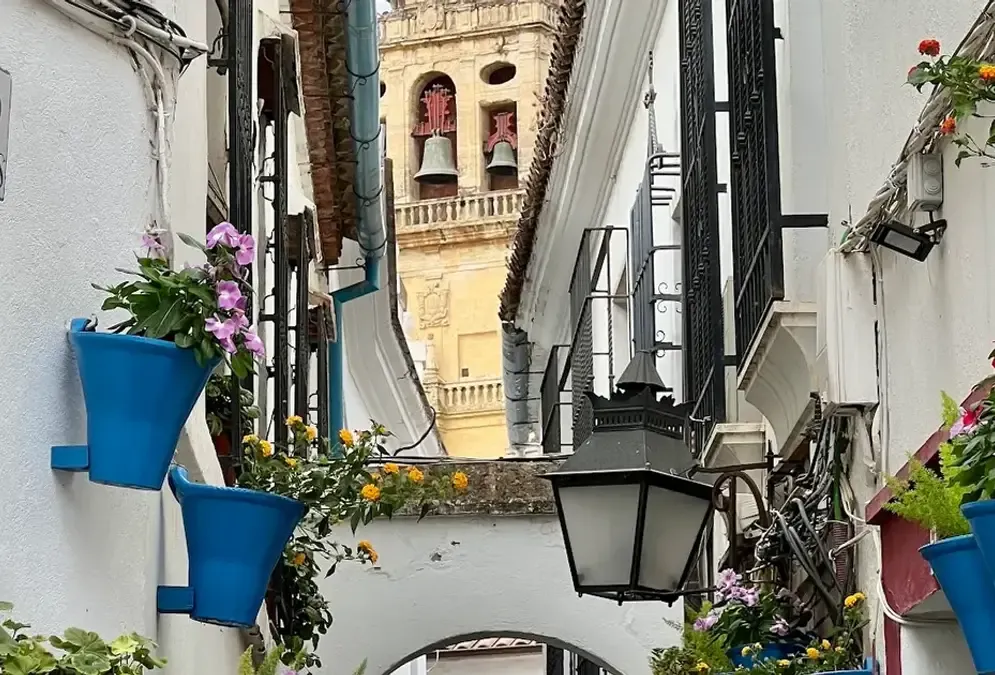
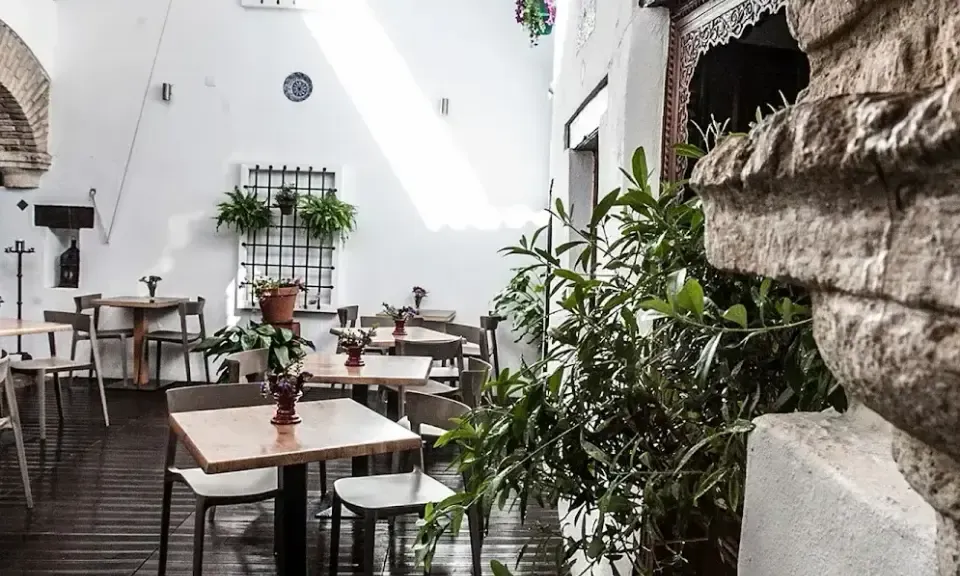
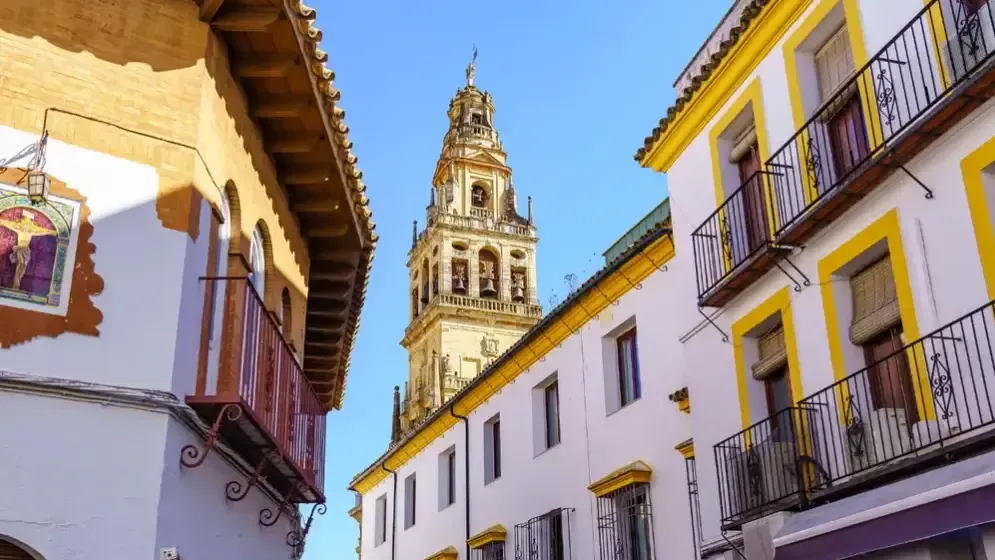
Combine the visit with a stroll through the Judería and the Mezquita nearby. The statue of Maimonides, the 12th-century Jewish philosopher born in Córdoba, stands just 2 minutes' walk away on Calle Judíos. On the same street, the Casa de Sefarad — a restored 14th-century house museum — traces Sephardic Jewish life from medieval Al-Andalus to the 1492 expulsion through nine thematic rooms. The two buildings were historically connected by an underground passage, and together they form the most complete picture of Córdoba's Jewish heritage. Also on Calle Judíos, the Casa Andalusí & Al-Iksir Alchemy Museum occupies a restored Andalusian house dedicated to the science, perfumery, and alchemy of Al-Andalus — well worth combining with a visit to the synagogue. Also close by on Calle Averroes, the Capilla de San Bartolomé is another remarkable example of the same hybrid tradition: a Gothic-Mudéjar chapel built between 1390 and 1410, where Islamic plasterwork techniques and Christian vaulting meet with exceptional precision. All free walking tours pass the synagogue with historical commentary.
The synagogue is a stop on both the Jewish Quarter Walk and the Three Cultures Route, each of which places it in the broader context of Córdoba's multicultural medieval history.
The Sinagoga ranks ninth in our Top 10 Monuments & Sights in Córdoba, a curated itinerary covering three days of heritage visits at a comfortable pace.