Search the site

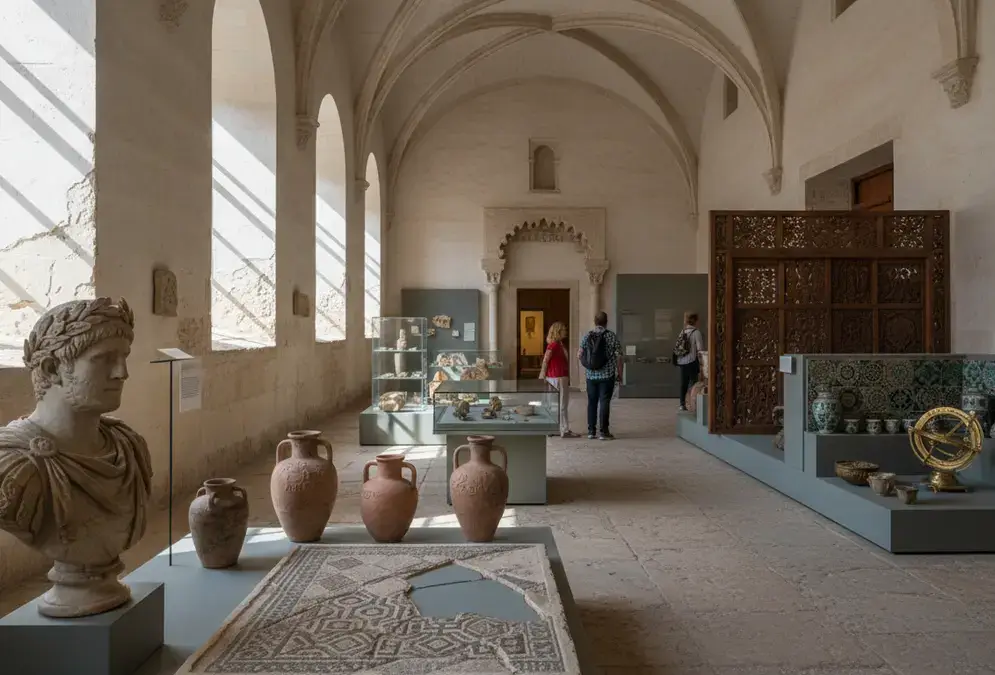
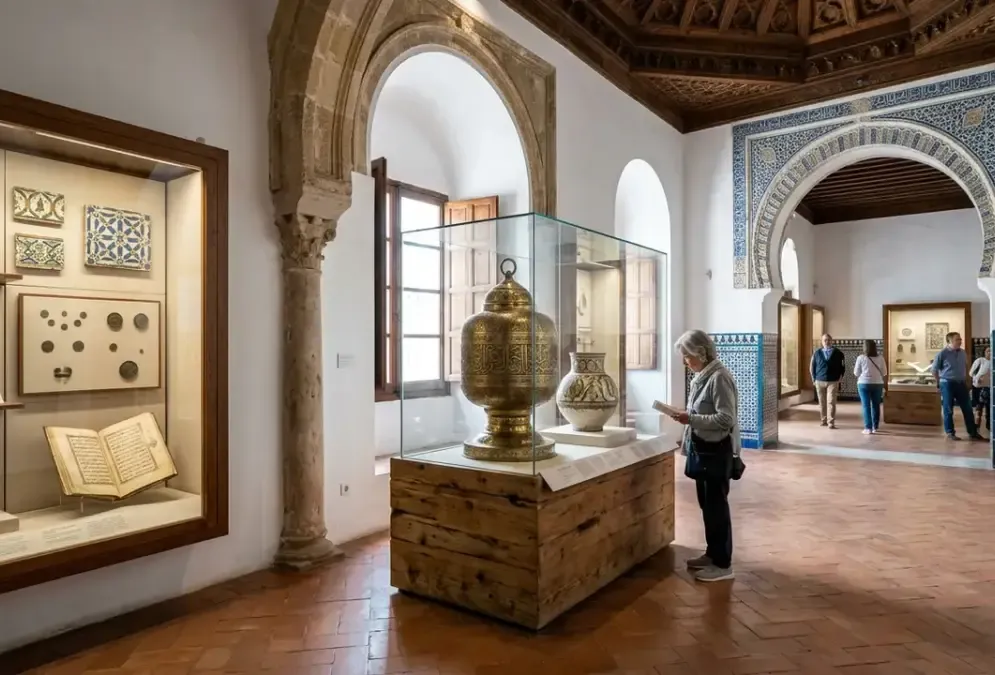
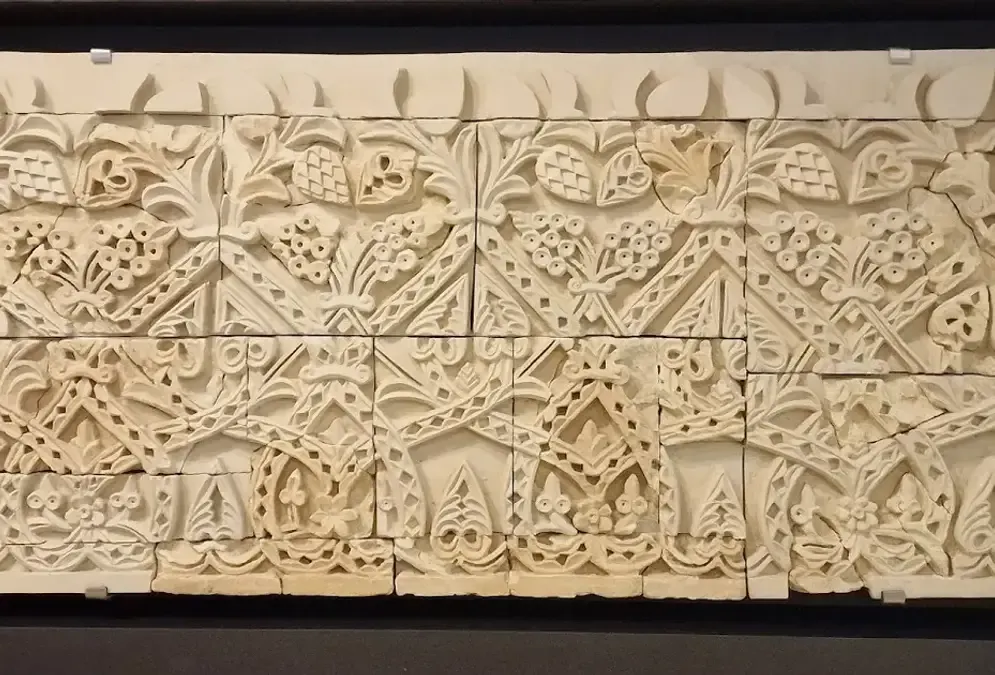
Archaeological Museum of Córdoba — Roman and Moorish artefacts
Culture

The museums of Córdoba

From Roman treasures to masterpieces of Andalusian painting, Córdoba's museums tell 2,000 years of history. The good news: several are free for EU citizens.

Córdoba packs an unusual density of museums into a walkable historic centre. The Archaeological Museum sits in a Renaissance palace with a Roman theatre beneath it. Three museums share a single square — Plaza del Potro — where Cervantes once stayed. A fortified tower on the Roman Bridge houses an entire museum on Al-Andalus. And 8 km outside the city, a UNESCO site has its own modern museum of caliphal artefacts. Most of these can be visited in a day; several are free for EU citizens.

This guide covers the must-see museums, more museums to explore beyond the highlights, and practical information on prices, opening hours, and the best order to visit them. If Monday is your only free day, skip to the practical tips — most museums are closed.

At a glance

Total museums
15+ museums & cultural spaces
EU citizen tip
Free entry Sunday afternoons (state museums)
Top pick
Museo Arqueológico — Roman & Moorish artifacts
Opening days
Most closed Mondays
Cluster
Most within 500m of the Mezquita
City pass
Córdoba Card covers major museums

In this guide

Must-sees

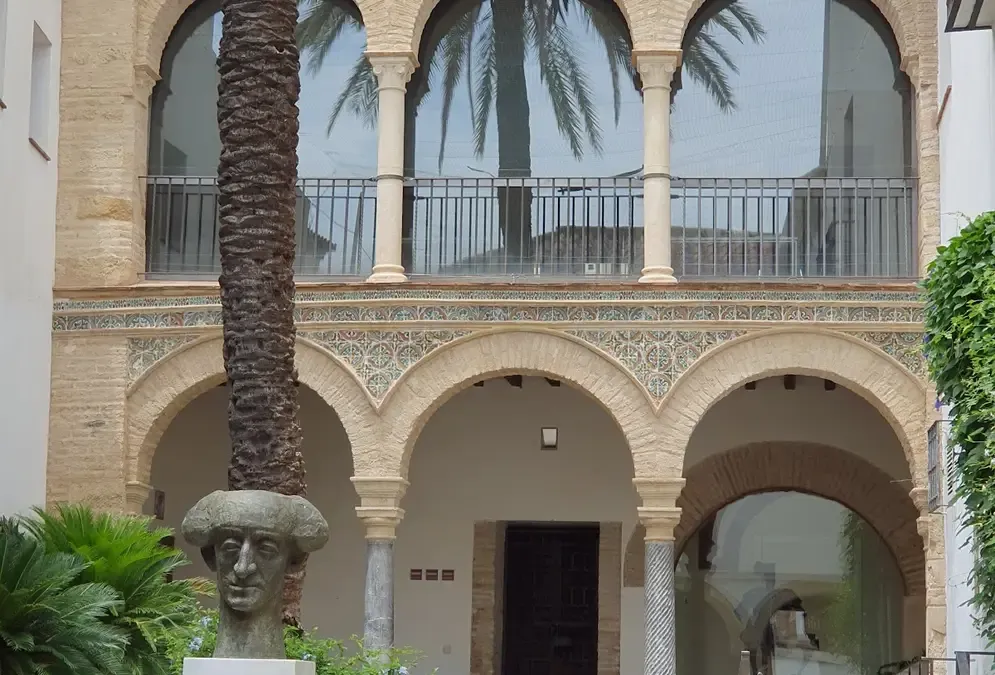
Inner courtyard of the Museo Arqueológico de Córdoba with Roman columns

Top pick

Museo Arqueológico de Córdoba

Free EU

Housed in the Palacio de los Páez, this museum traces Córdoba's history from prehistory to the medieval period. The Roman collections are exceptional: mosaics, sculptures and, most notably, the remains of the Roman theatre discovered beneath the museum itself.

Highlights

  • • Roman theatre remains beneath the museum
  • • Mosaics and sculptures from Colonia Patricia
  • • Visigothic and caliphal collection
  • • Renaissance patio of the Palacio de los Páez
Duration 1h–1h30 Price Free (EU) / €1.50 Hours Tue–Sat 9am–9pm · Mon closed
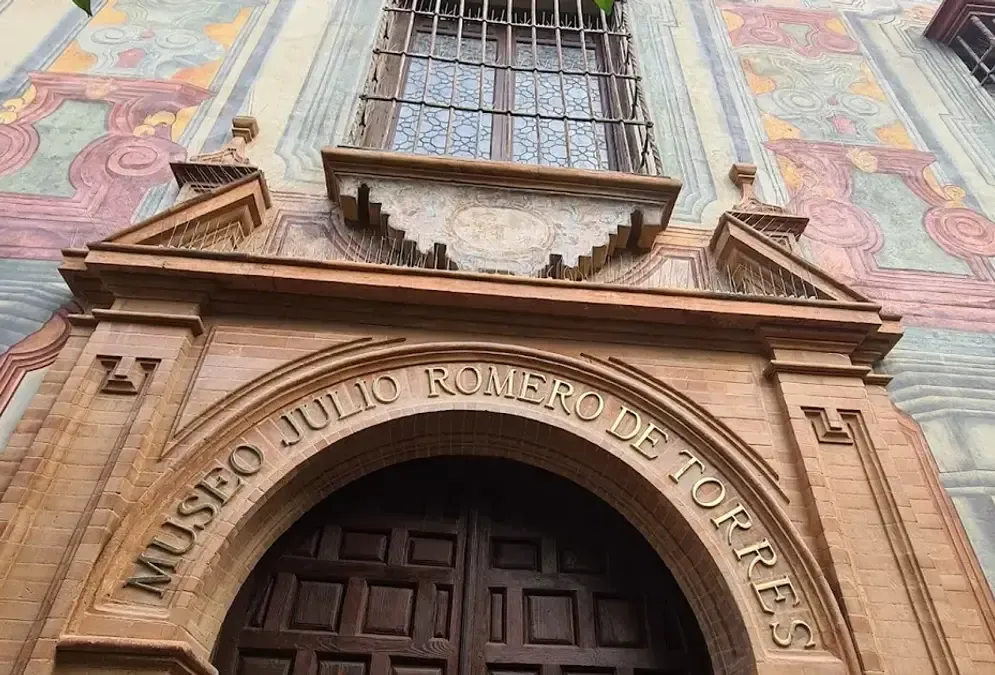
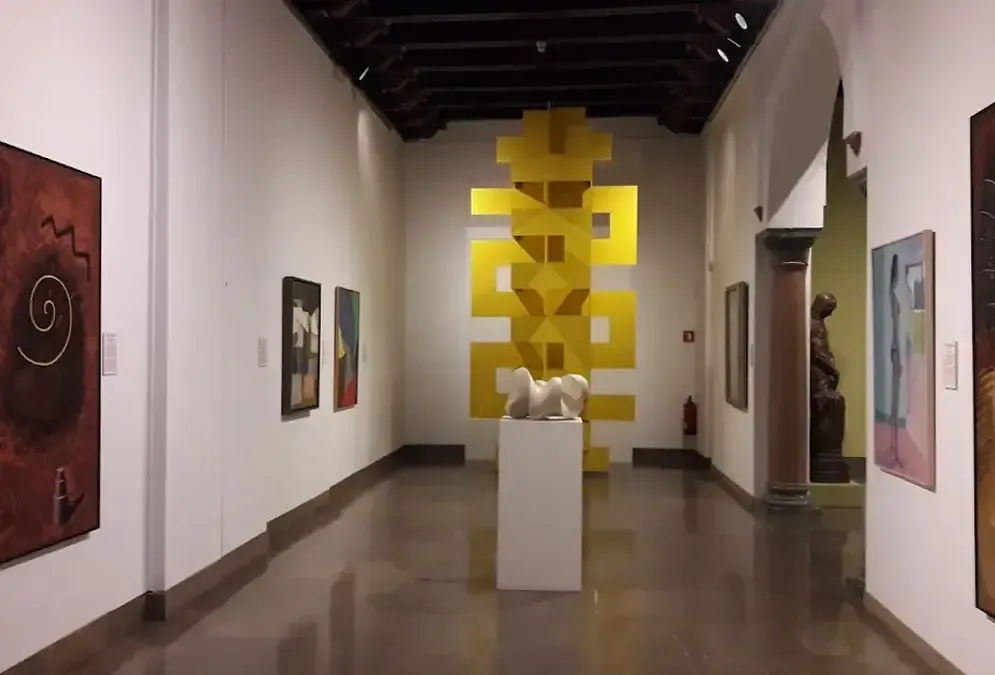
Gallery room at the Museo Julio Romero de Torres with portraits of Andalusian women

Julio Romero de Torres Museum

Free EU

Dedicated to Córdoba's most celebrated painter (1874–1930), this museum displays his iconic portraits of Andalusian women. His realist style tinged with symbolism captures the soul of early 20th-century Andalusia.

Highlights

  • • "La Chiquita Piconera" – his most celebrated work
  • • Portraits of Andalusian women
  • • Reconstructed artist's studio
  • • Located on the Plaza del Potro (mentioned in Don Quixote)
Duration 45 min–1h Price Free (EU) / €5 Hours Tue–Sat 8:30am–9pm · Mon closed
“In the middle of it, there is a fountain; the figure is of a brave lion, which tramples on a potro or colt...”
— Miguel de Cervantes, on Córdoba's Plaza del Potro — Don Quixote, Part I, Chapter 3
Façade of the Museo de Bellas Artes de Córdoba in the historic Plaza del Potro

Museo de Bellas Artes de Córdoba

Free EU

Housed in the former Hospital de la Caridad on Plaza del Potro, this museum spans Spanish art from the Middle Ages to the 20th century. Its core strength is Andalusian Baroque: Zurbarán, Juan de Valdés Leal and Antonio Palomino. Shares the square with the Centro Flamenco Fosforito and the Julio Romero Museum — making Plaza del Potro a full cultural half-day.

Highlights

  • • Andalusian Baroque masters: Zurbarán, Valdés Leal
  • • 19th–20th century Spanish art: Zuloaga, Chillida, Tàpies
  • • Renaissance building with stone courtyards
  • • Located on the historic Plaza del Potro (cited in Don Quixote)
Duration 1h–1h30 Price Free (EU) Hours Tue–Sun (seasonal) · Mon closed
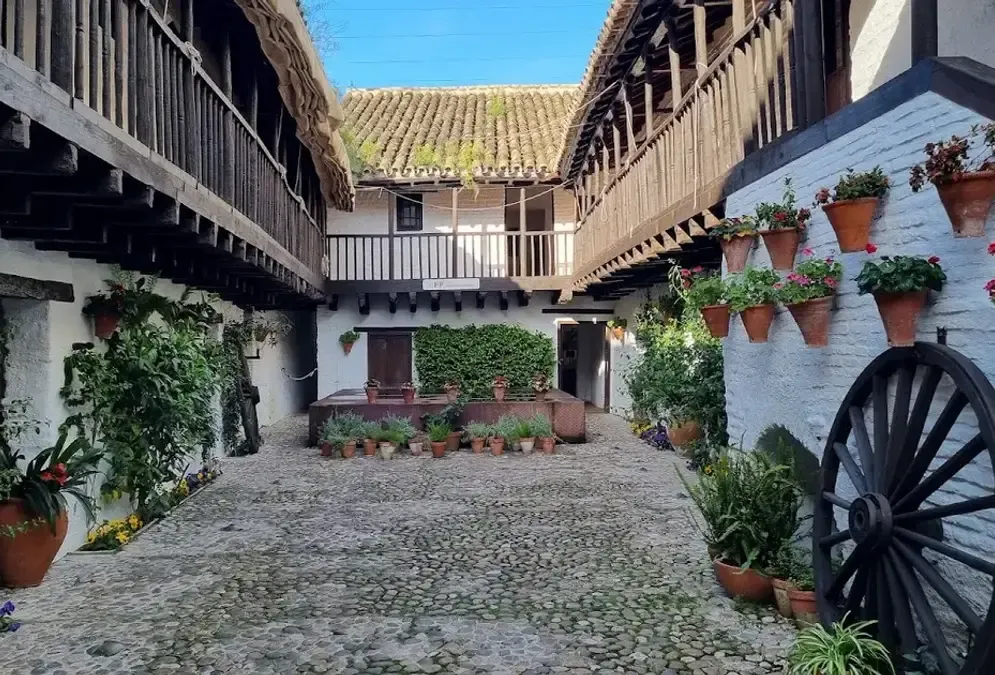
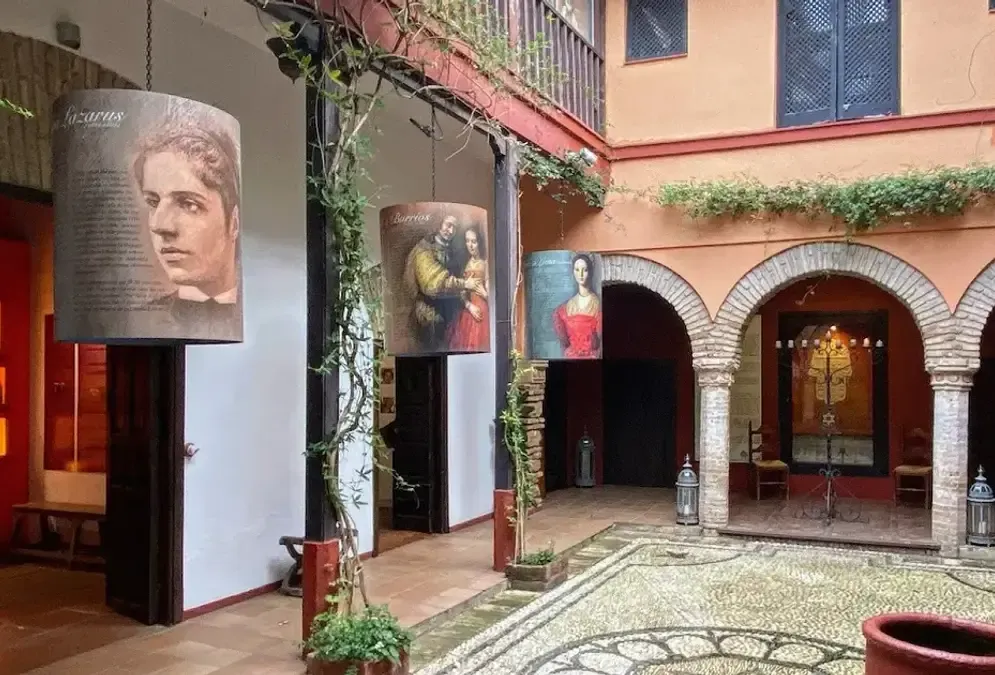
Interior courtyard of the Centro Flamenco Fosforito in the historic Posada del Potro, Córdoba

Centro Flamenco Fosforito

Córdoba's dedicated flamenco museum, housed in the 16th-century Posada del Potro on Plaza del Potro. Named after Córdoba-born cantaor Fosforito, the museum traces flamenco from its Andalusian roots through every palo style. Interactive touch-screen stations let you hear and practise the rhythms. Free Sunday recitals at noon.

Highlights

  • • Interactive exhibits on flamenco palos and guitar history
  • • Bilingual displays (English and Spanish)
  • • Free Sunday live flamenco performances at noon
  • • Historic Posada del Potro courtyard (mentioned in Don Quixote)
Duration 1h–1h30 Price €2 / €1 students Hours Tue–Sat 8:30am–7:30pm · Mon closed

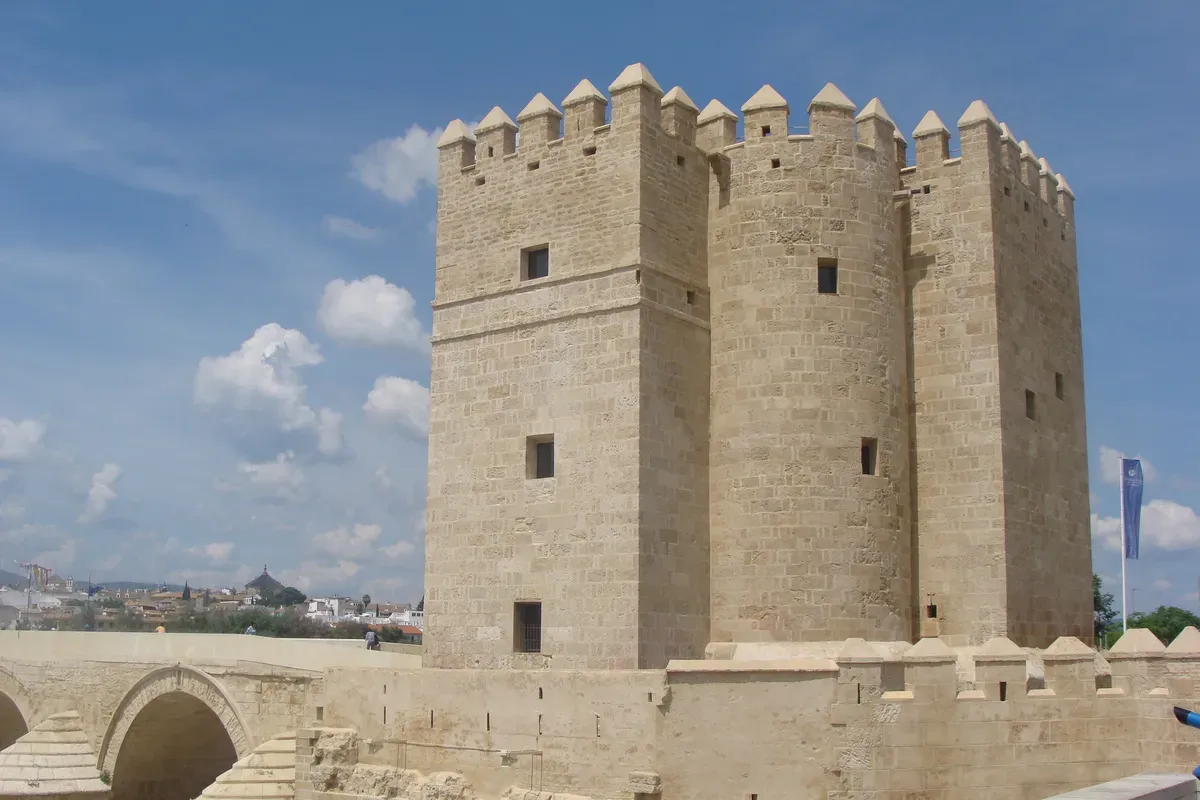
Living Museum of Al-Andalus (Torre de la Calahorra)

Housed in the fortified tower guarding the Roman Bridge, this museum traces the coexistence of three cultures (Christian, Muslim and Jewish) in medieval Córdoba. Immersive audio guide and panoramic views from the rooftop.

Highlights

  • • Narrative audio guide on life during the Caliphate
  • • Scale models of the Mezquita and Medina Azahara
  • • Figures of Averroes and Maimonides
  • • Panoramic terrace overlooking the Mezquita
Duration 1h Price €4.50 Hours Daily 10am–2pm & 4:30–8:30pm · reduced in winter

More museums to explore

Beyond the headline museums, Córdoba has a rich second tier of specialist collections and monument-museums worth weaving into your itinerary.

Museums inside monuments

These are not standalone museums but monuments with significant museum collections or exhibition spaces. Each links to its monument page.

Practical tips

Saving money

  • EU citizens: show your national ID at the counter
  • Tuesday morning: Alcázar free 8:30am–9:30am
  • Students: discounted rates with student card

Timing

  • Monday: most museums closed — plan around this
  • Sunday afternoon: early closing (typically 3pm)
  • Summer: extended evening hours until 9pm

Frequently asked questions

Are Córdoba museums free?

Several of Córdoba's main museums are free for EU citizens, including the Archaeological Museum, the Julio Romero de Torres Museum, and the Museo de Bellas Artes. Non-EU visitors pay reduced fees (typically €1.50–€5). Medina Azahara is also free for EU citizens. The Centro Flamenco Fosforito costs just €2 for adults.

What museums in Córdoba are open on Monday?

Most of Córdoba's museums are closed on Mondays, including the Archaeological Museum, Julio Romero de Torres, Museo de Bellas Artes, and Centro Flamenco Fosforito. The Torre de la Calahorra is open every day, including Mondays. The Palacio de Viana is also open on Mondays (except in July). Plan your museum day for Tuesday through Saturday for the widest choice.

Which is the best museum in Córdoba?

It depends on your interests. The Archaeological Museum is the most impressive for history lovers — Roman mosaics, caliphal artefacts, and remains of a Roman theatre beneath the building. The Julio Romero de Torres Museum is uniquely Córdoban, dedicated to the city's most famous painter. For a more immersive experience, the Torre de la Calahorra offers an audio-guided journey through medieval Al-Andalus. If you only have time for one, the Archaeological Museum is the strongest all-rounder.

Do I need to book museums in advance in Córdoba?

Most Córdoba museums do not require advance booking — you can simply turn up and buy a ticket. The exception is Medina Azahara, where booking the shuttle bus in advance is recommended, especially on weekends and during spring. The Palacio de Viana can also get busy in high season (April–May), so arriving early is wise.

How many museums can I visit in one day in Córdoba?

You can comfortably visit 3–4 museums in a single day. A good strategy: start at the Archaeological Museum in the morning, walk to Plaza del Potro for the Julio Romero de Torres Museum and Museo de Bellas Artes (they share the same square), then finish at the Torre de la Calahorra across the Roman Bridge. Medina Azahara needs a separate half-day as it is 8 km outside the city.

Plan your visit

Most of Córdoba's museums sit within walking distance of each other. The Archaeological Museum, Torre de la Calahorra, and Julio Romero Museum can all be covered in a single day. Medina Azahara needs a morning to itself.

Official sources

This guide draws on official and recognised sources to ensure the accuracy of the information provided.