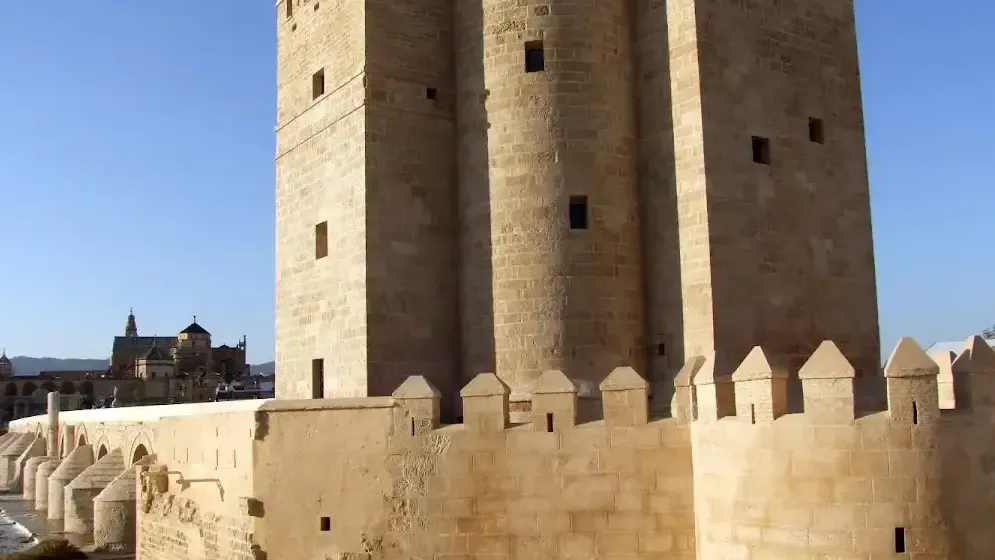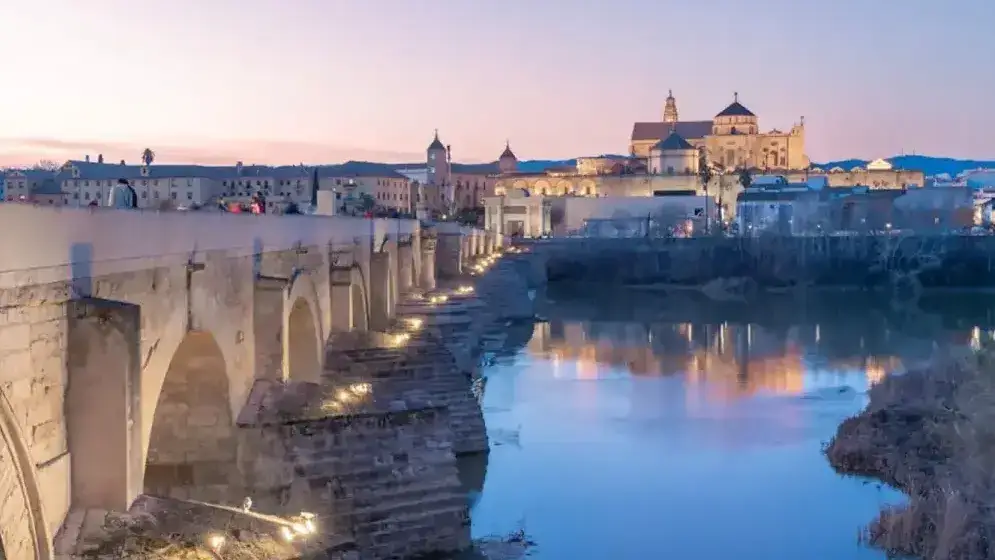

La Ribera follows the Guadalquivir south of the old town. The main draw is the river walk, which gives unobstructed views of the Roman Bridge, the Torre de la Calahorra — home to the Museum of Al-Andalus — and the stone mass of the Mezquita above the medieval wall.
Character and atmosphere
This is Córdoba at its most open. The old town packs its history into narrow lanes and enclosed squares — La Ribera is the opposite: a wide riverside promenade where the sky is actually visible and the city's major monuments appear in their full context. Walking here after a morning inside the Mezquita gives a sense of proportion that the interior doesn't allow.
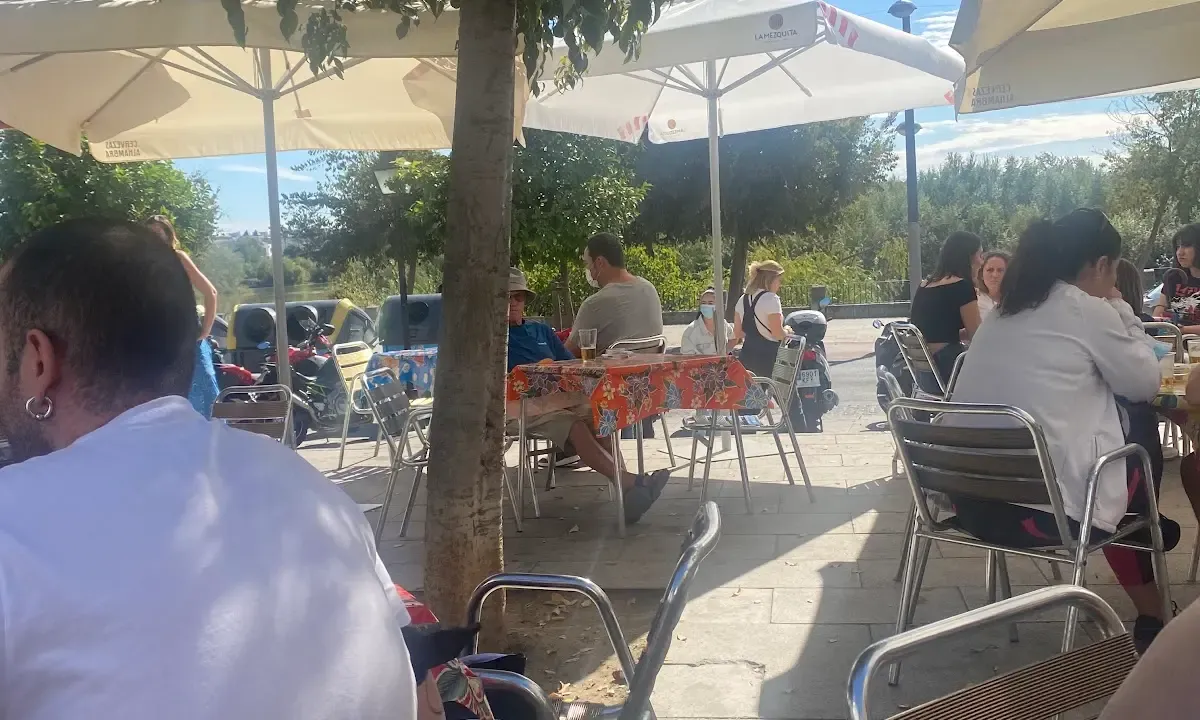
The Paseo de la Ribera runs along the waterfront and transitions from early-morning joggers and dog walkers to late-afternoon families, then to evening bar-terrace crowds as the light changes. On Friday and Saturday nights the riverside fills quickly. During summer the terraces operate until well past midnight.
The neighbourhood itself is thin — a strip of embankment rather than a dense urban quarter — but it functions as Córdoba's outdoor living room, the place where the city faces the river and remembers it's built on one.
Arab mills and hydraulic history
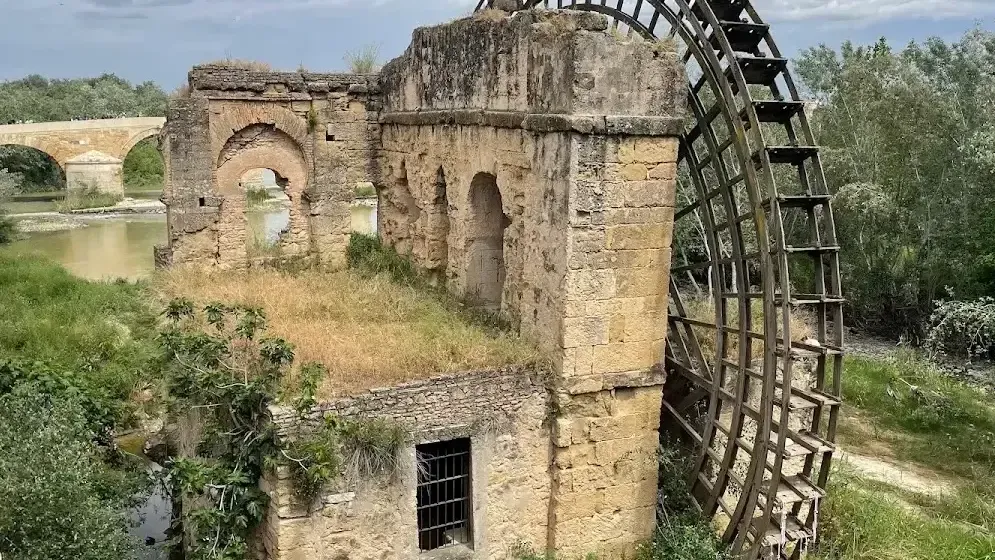
The ancient Arab mills on the riverbank are the most visible remnant of the milling system that fed Córdoba during the Caliphate. Several mills operated along this stretch of the Guadalquivir, channelling the current to grind grain for a city that was, in the 10th century, one of the largest in Europe. The restored Albolafia wheel turns again, though without its original function. Worth stopping at to understand the engineering logic of how the city provisioned itself.
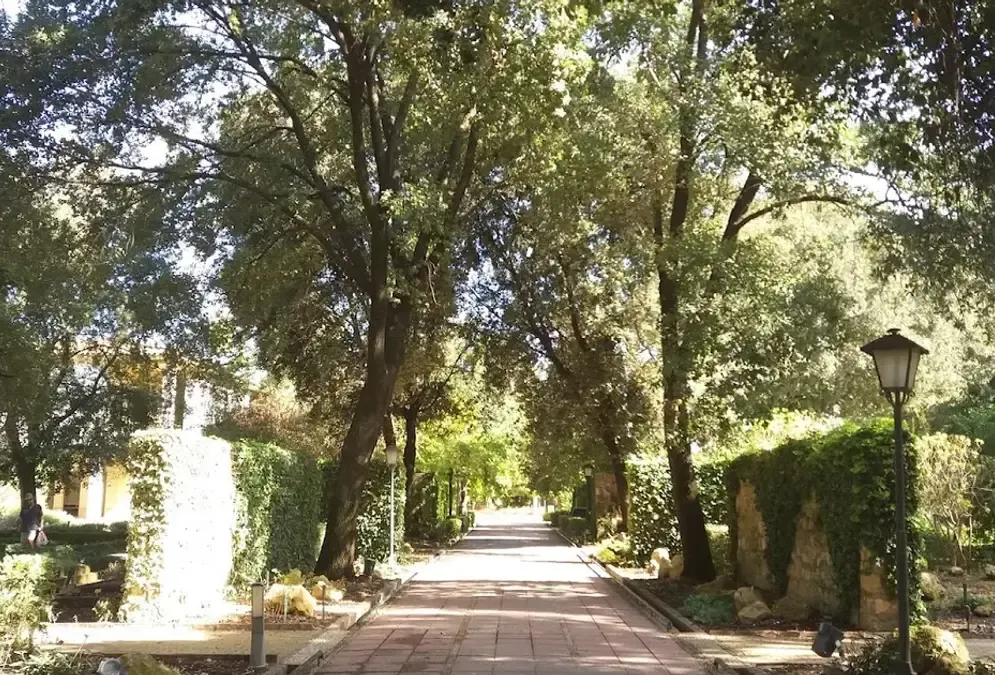
The Botanical Garden sits on the riverbank with plant collections from five continents — a surprisingly serious scientific institution that most visitors walk past on the way to the bridge. Worth 45 minutes if plants interest you at all. Further along the embankment, the C3A – Centro de Creación Contemporánea de Andalucía occupies a striking modern building and stages free contemporary art exhibitions and performances facing the river.
Sunset and waterfront options
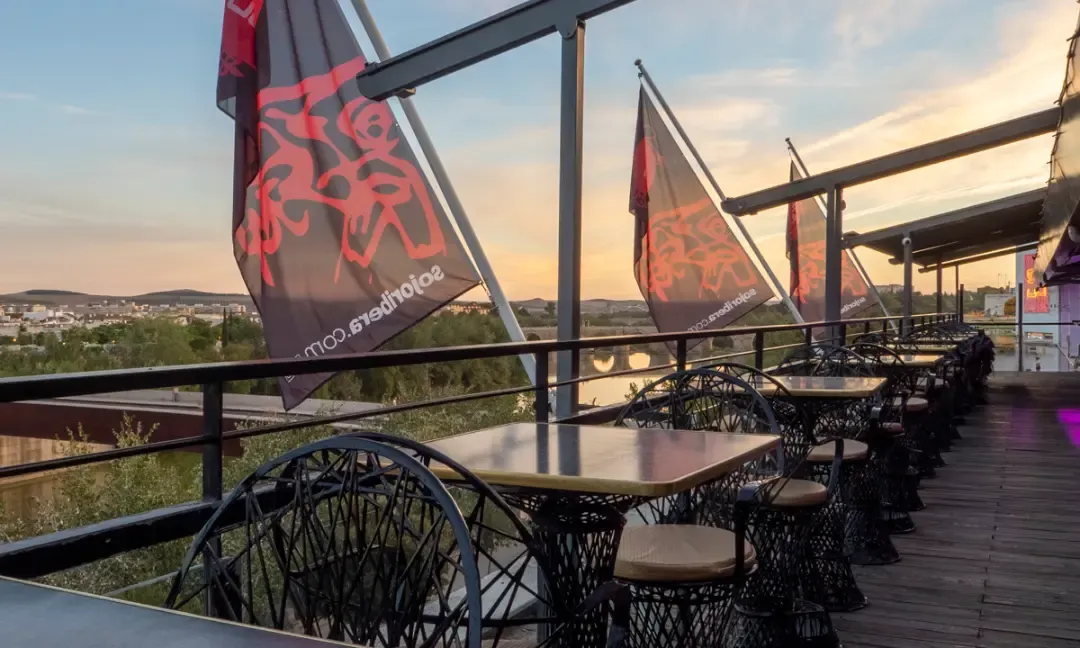
At sunset, the riverside bar terraces fill fast. Sojo Ribera has a rooftop terrace with a direct view of the Guadalquivir, the Roman Bridge, and the Mezquita — book ahead, particularly in summer. Bar Amapola serves cocktails and live music in a 1970s-style setting on the Paseo de la Ribera.
Eating along the river
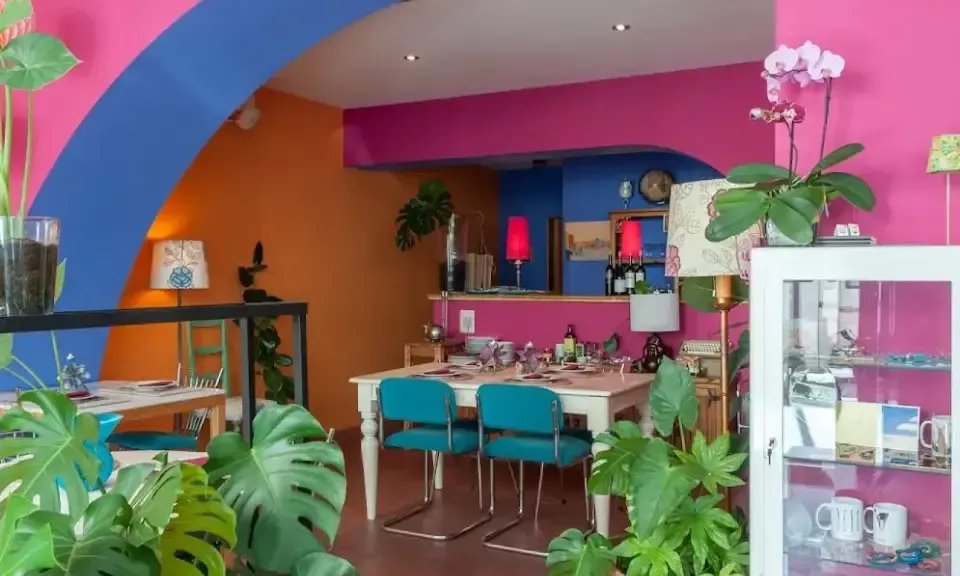
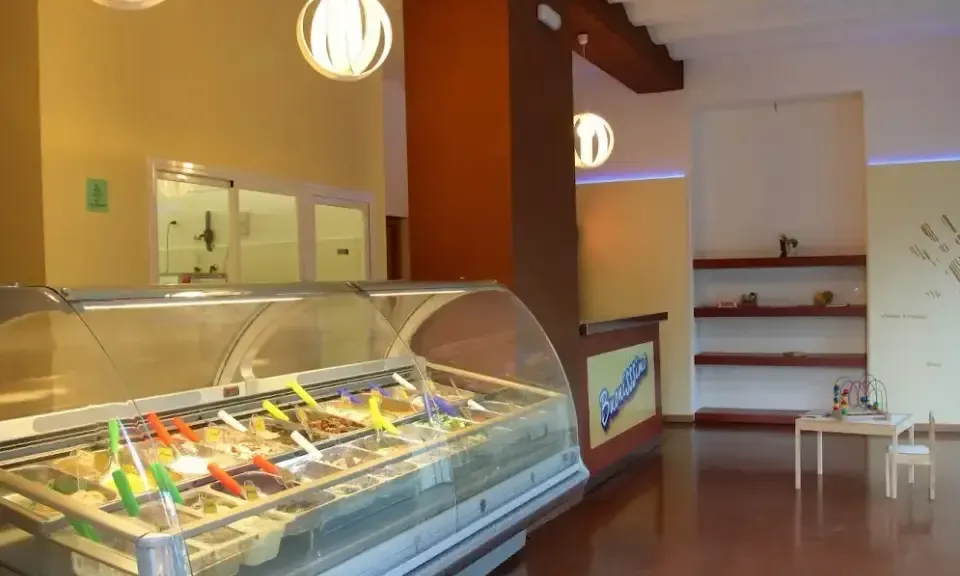
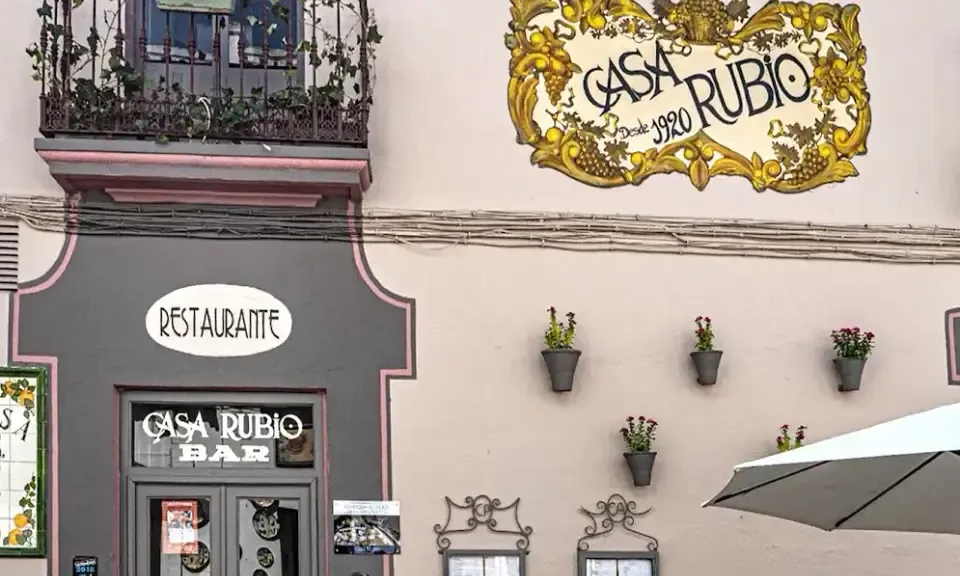
Casa Rubio has a terrace facing the Roman Bridge and a fish-focused menu that handles local river fish better than most places in the city. Buonisssimo serves honest Italian cooking — fresh pasta and proper Neapolitan pizza — at prices that make it a popular repeat choice for residents. La Bicicleta provides casual café dining and healthy bowls in a cycle-themed setting by the river.
Getting there
The riverside walk is most naturally reached from the Roman Bridge — cross it from the Judería side and turn right. Allow 1 hour for the full walk, ideally timed for the last 90 minutes of daylight. Two guided walking routes cover this stretch properly: the Riverside Walk traces the full promenade from the Roman Bridge south along the Guadalquivir, with stops at the Arab mills and the Calahorra Tower; the Roman Córdoba Walk uses the riverbank as its southern anchor, connecting the bridge and the Torre de la Calahorra to the Roman ruins further north in the historic centre.