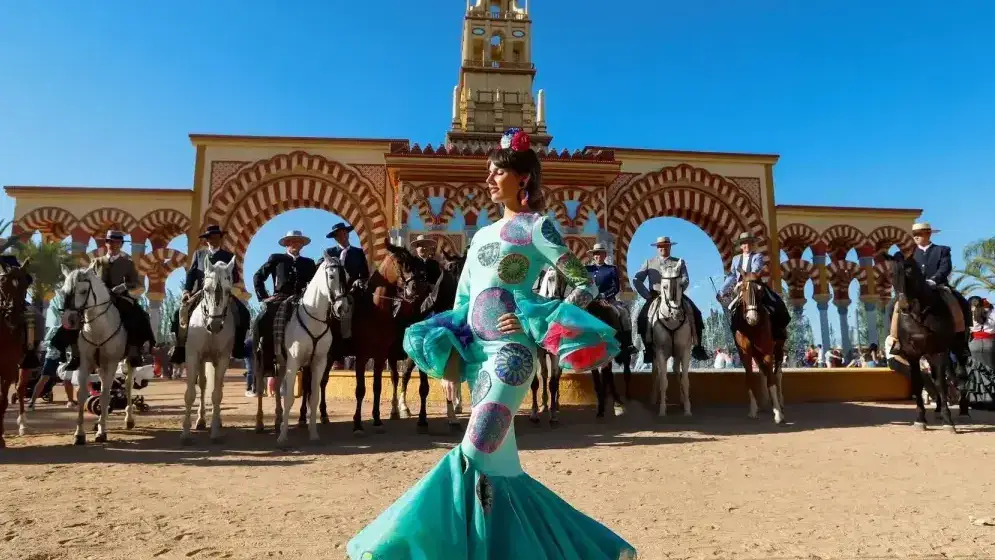

By 10pm on a Saturday in late May, the string lights above El Arenal have been on for hours and the sevillanas haven't stopped once. The smell drifting out of the casetas is fried fish and cold fino. This is the Córdoba Feria: eight days when the fairground beside the Guadalquivir becomes the center of everything in the city.
Two entrance portals
The fairground has two entrance portals. The second gateway recalls the historic Puerta de Gallegos, a €300,000 infrastructure investment that also includes new paving and improved lighting from the parking lot access point. Two distinct entry points reduce bottlenecking when crowds hit, and the restored historic design adds real visual weight to the fairgrounds.
What the feria actually is
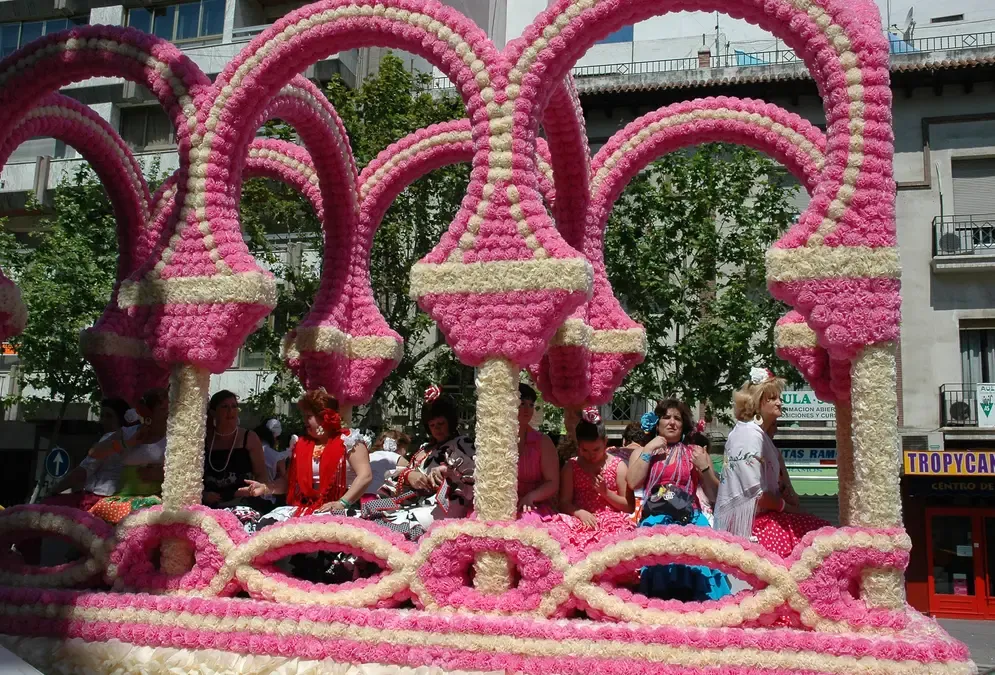
The official name is Feria de Nuestra Señora de la Salud. It runs eight consecutive days, closing out the Mayo Festivo, the month of popular festivals that begins with the Batalla de las Flores in late April. Around 85 casetas fill the fairground, the vast majority public and free to walk into. This is the single biggest difference from Seville's feria, where private casetas dominate and outsiders can spend a whole evening unable to sit down. In Córdoba, the overwhelming majority of tents are open. Only a handful of corporate or association casetas are private.
The horse parade
Go in the morning for the horses. Every day from around 11am, riders in traditional Andalusian dress parade through the fairground on pure Spanish breeds: long manes, arched necks, that elevated trot that looks almost theatrical until you realise the horse has been trained for years to move that way. Women ride sidesaddle in flamenca dresses; men in wide-brimmed hats and short jackets. The combination of horses, fairground backdrop, and the Guadalquivir behind it is specific to Córdoba. Thursday is the official Día del Caballo (Horse Day), with a formal equestrian competition, but the daily parade is the thing to see.
The opening Saturday also features the Exhibición de Carruajes de Tradición, a separate carriage parade of around 15 traditional coaches. It starts at 11:30h with a concentration at Paseo de la Ribera, moves to the Alcázar de los Reyes Cristianos at noon for an exhibition, then departs for El Arenal at 13:30h, closing with a family photo and a final paseo through the recinto at 14:30h. The Virgen de la Salud banner is transferred from the Alcázar to the fairground as part of this procession.
Inside the casetas
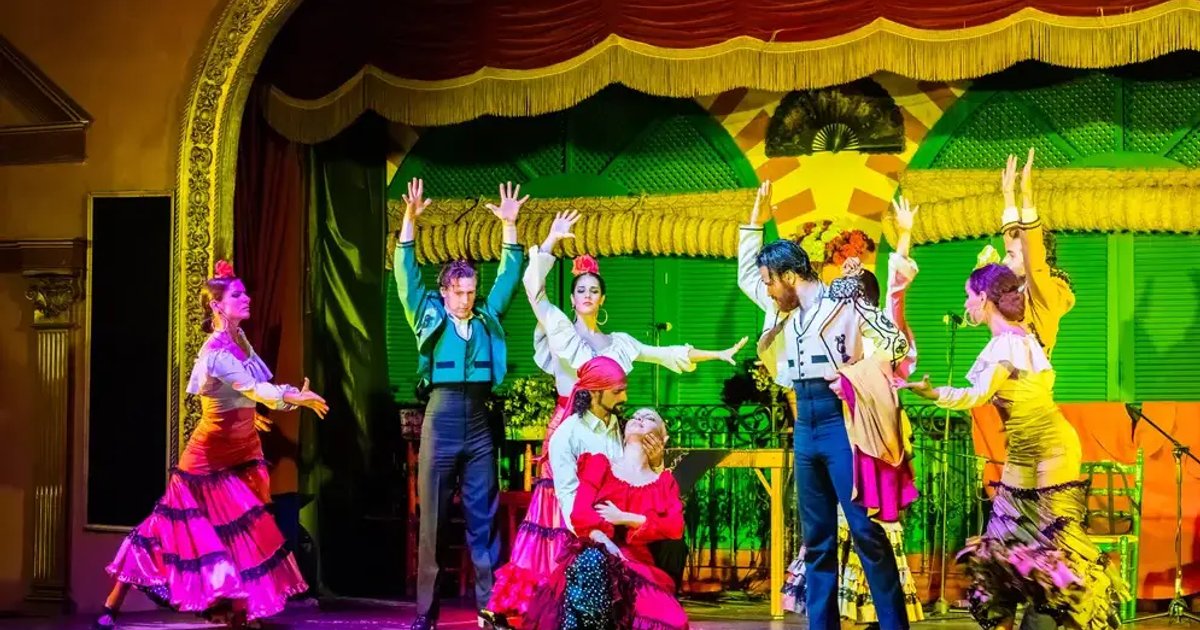
By evening, the tone shifts. Each caseta has its own character: neighbourhood associations, professional bodies, groups of friends. The dominant soundtrack is sevillanas, couples dancing in the gap between tables, old men in suit jackets and teenage girls in full ruffled dresses sharing the same floor. The dancing is not a performance for visitors. It's what people do when the music starts. First-timers often expect wall-to-wall flamenco and get a surprise: many casetas run 80s and 90s cover bands through the evening, and the dance floors fill just as quickly for those sets as for the traditional stuff. Sevillanas take over completely from midnight onwards.
Order a rebujito: fino wine topped with lemonade, served in a plastic cup over ice. It goes down faster than it should. Pair it with boquerones fritos from one of the food stalls outside.
When to go
Honest answer: twice. Once in the morning for the horses and the spectacle of traditional dress, and once after 10pm when the casetas are full and the sevillanas have found their rhythm. The afternoon in between is the least interesting stretch.
Wednesday is Children's Day, with 50% off all rides on the Calle del Infierno. Thursday is Horse Day with the equestrian competition. The opening festivities run across several days. The Encuentro Rociero Camino del Arenal, a traditional pilgrimage procession, is part of the opening programme. The Alumbrado on opening night is something else at close quarters: around 300,000 bulbs illuminate simultaneously when the mayor throws the switch, and the whole district changes colour in an instant. Come early to find a spot near the Portada. The procession of the Virgen de la Salud follows shortly after.
Corridas de toros
A taurine programme runs at the Plaza de Toros de Los Califas in the days before the caseta fair opens. It is a separate, concurrent programme, not part of the caseta fair itself, and is separately ticketed. The card is announced closer to the date.
Getting there
13 special bus routes run to the fairground during the feria, with lines 21, 23, and 29 operating through the night. Wear shoes you can walk in: the recinto is large and the ground is compacted earth, not pavement. Entry to the fairground and all public casetas is free. Shade canopies on the two main fairground streets (Guadalquivir and Enmedio) make afternoon visits more comfortable.