Search the site

familiescouplessolobudgetfood-lovershistory-buffsmusic-lovers
Andalusia Day
February Free Official regional holiday

Andalusia Day: Free Monuments, Flamenco & Flag Ceremony in Córdoba

Día de Andalucía

28 February 2026
1 day
Plaza de las Tendillas, monuments and city squares
All events

On this page

On 28 February, Andalusia marks the 1980 referendum that granted the region its autonomous status — the result of a genuine popular movement. In December 1978, more than one million Andalusians had taken to the streets demanding regional autonomy. Córdoba marks the regional holiday with pride and a festive edge.

Flag raising and the anthem

The day starts with the solemn raising of the green and white flag on the Plaza de las Tendillas, with the Andalusian anthem composed by Blas Infante in 1933 and officially adopted in 1982. The flag's colours come from the Umayyad and Almohad dynasties — green for hope, white for peace. Blas Infante, regarded as the father of Andalusian nationhood, was shot in 1936 for his autonomist views. The flag-raising is short and genuinely felt.

Flamenco and gastronomy

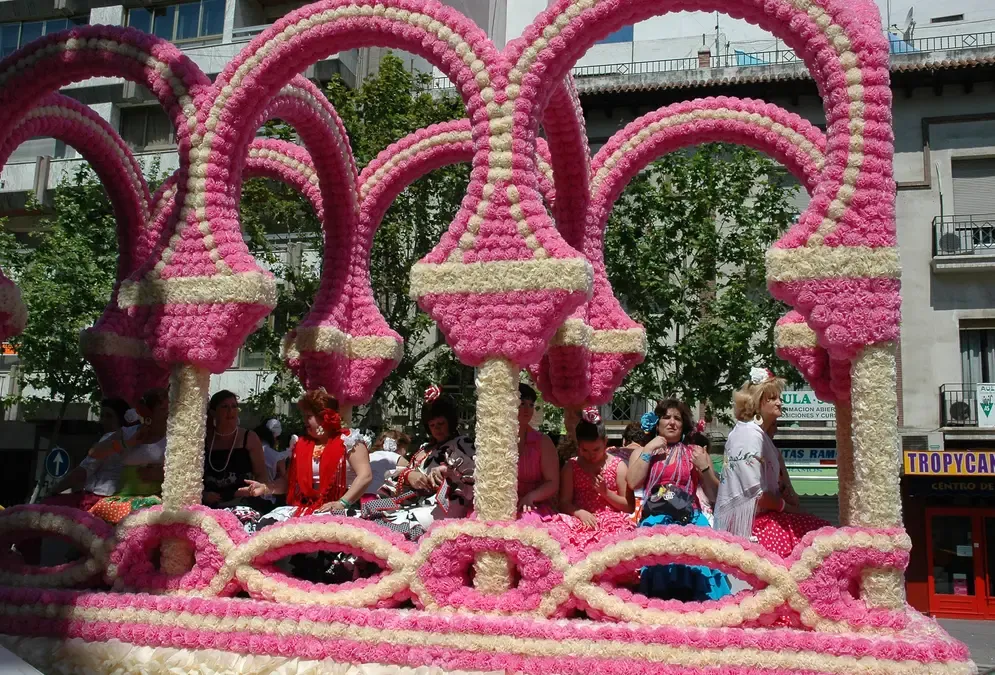
Flamenco, sevillanas and folk music fill the squares and streets throughout the day. Many monuments and museums offer free or reduced entry, including the Mezquita-Cathedral and the Alcázar of the Christian Monarchs. Traditional food takes centre stage at stalls across the city: salmorejo (Córdoba's cold tomato soup), Andalusian gazpacho, pescaíto frito, ham molletes and olive-oil bread.

What the day looks like in practice

The morning ceremony on Plaza de las Tendillas takes around 30 minutes. Afterwards, the square stays busy with music and food stalls for most of the afternoon. This is when locals use the free monument access — there are queues at the Mezquita by mid-morning, so either arrive early (before 10 am) or head there after lunch when the initial rush has passed.

The flamenco performances happen in several locations across the Centro and Judería throughout the afternoon. These are open-air stages with a relaxed atmosphere — nothing like a formal performance, more like musicians in a good mood playing for whoever stops to listen.

By evening the food stalls are the main event. Salmorejo from a plastic cup while listening to someone playing guitar on the steps of a church is a fairly accurate picture of what Andalusia Day feels like from the outside.

Who else is in town

28 February is a regional public holiday: banks, government offices and schools are closed. This means Córdoba fills mostly with Andalusians visiting from elsewhere in the region, not international tourists. The atmosphere is more local than most other events in the calendar — the city celebrating something for itself rather than for visitors, though visitors are welcome.

Practical information

Regional public holiday: tourist monuments and restaurants stay open with special hours. The official ceremony happens in the morning (around 12:00), with festivities running all day into the evening. Check shop and transport schedules, as some services run reduced on public holidays. The best sequence: Plaza de las Tendillas for the ceremony, the Mezquita or Alcázar in the afternoon with free entry, then food and music in the squares to finish the day.

Good for

Families Couples Solo Budget Food Lovers History Buffs Music Lovers Cultural History Gastronomy Entertainment

Highlights

Andalusian flag-raising ceremony on Plaza de las TendillasFlamenco and sevillanas performances across the cityFree or reduced entry to major monumentsTraditional Andalusian gastronomyRegional public holiday: festive, popular atmosphere

Stages

Plaza de las Tendillas

Morning

Official ceremony: raising of the green and white Andalusian flag accompanied by the anthem composed by Blas Infante. Solemn then festive atmosphere

Monuments and museums

Many sites offer free or reduced entry: Mezquita, Alcázar, municipal museums. Check special opening hours

City centre squares and streets

Afternoon

Flamenco, sevillanas and folk music performances. Andalusian food stalls in several neighbourhoods

Andalusia Day gastronomy

Salmorejo

Thick cold soup made from tomatoes, garlic and bread. Córdoba's signature dish

Andalusian gazpacho

Cold vegetable soup, refreshing and flavoursome

Pescaíto frito

Small fried fish typical of Andalusian cuisine

Ham molletes

Soft bread rolls filled with ham and olive oil

Reporter notebook

Insider tips

Practical observations gathered the way a local journalist would keep them: short, specific, and more useful than brochure copy.

Best time

Visit the Mezquita after 2 pm to dodge the morning queue

Free entry draws huge crowds on 28 February. Most people arrive before 10 am and queue for an hour. Go after lunch — the rush has passed, and you get the same free access without the wait.

Local custom

The food stalls are the real event after the ceremony

The flag-raising ceremony lasts 30 minutes. After that, the stalls on Plaza de las Tendillas serve salmorejo, pescaíto frito and ham molletes at local prices. This is when the square feels most alive — eat standing up and listen to the flamenco.

Crowd tip

Expect a local crowd, not a tourist one

28 February is a regional holiday — banks, schools and offices close. The city fills with Andalusians visiting from other provinces, not international tourists. The atmosphere is warmer and more personal than the bigger festivals.

Practical information

When
February
Hours
Official ceremony in the morning (around 12:00), festivities throughout the day until evening
Location
Plaza de las Tendillas, monuments and city squares
Price
Free
Best time
Morning for the official ceremony on Plaza de las Tendillas, afternoon for performances and gastronomy

Planning tip

Regional public holiday: check shop and transport schedules (reduced service). Tourist monuments remain open with special hours. Make the most of the free entry.

Frequently asked questions

What happens on Andalusia Day in Córdoba?

The day starts with a flag-raising ceremony on the Plaza de las Tendillas around noon, with the green and white Andalusian flag raised to the anthem composed by Blas Infante. Afterwards, the square stays busy with food stalls and flamenco performances all afternoon. The [Mezquita-Cathedral](/monument/mezquita-cathedral) and [Alcázar de los Reyes Cristianos](/monument/alcazar-de-los-reyes-cristianos) offer free or reduced entry throughout the day.

Is the Mezquita free on Andalusia Day?

Yes — the Mezquita and most major monuments in Córdoba offer free or reduced entry on 28 February. This draws large crowds in the morning, so either arrive before 10 am or go after 2 pm when the initial rush has passed. Confirm specific opening conditions at the monument's ticket office, as special-hours arrangements can vary year to year.

Is 28 February a public holiday in Córdoba?

Yes. Día de Andalucía is a regional public holiday across all of Andalusia. Banks, government offices and schools close. Shops and transport may run reduced hours. Tourist monuments stay open with special schedules. The city fills with Andalusians from other provinces rather than international tourists, which gives the day a noticeably local atmosphere.

What food is served on Andalusia Day in Córdoba?

Traditional Andalusian food stalls set up across the city. The main dishes are salmorejo (Córdoba's cold tomato soup), pescaíto frito (small fried fish), ham molletes (soft rolls with ham and olive oil) and Andalusian gazpacho. The stalls are inexpensive and serve at local prices — eating at the Plaza de las Tendillas after the ceremony is the most convivial way to experience the day.

Why is 28 February significant for Andalusia?

28 February marks the 1980 referendum in which Andalusians voted for regional autonomy — the fast-track route that recognised Andalusia as a historic nationality alongside Catalonia and the Basque Country. The movement had roots going back to December 1978, when more than a million Andalusians demonstrated across the region. Blas Infante, who wrote the Andalusian anthem in 1933, is regarded as the father of Andalusian nationhood and was executed in 1936.