Search the site

food-loverscouplesbudget
Glass of rebujito with ice and fresh mint, Andalusian fino cocktail
Drink cocktail

Rebujito: Andalusia's Fino & Lemonade Cocktail for Feria Season

Fino mixed two-to-one with ice-cold sparkling lemonade — the drink that fuels Córdoba's Feria de Mayo. Light, refreshing, and impossible to stop at one.

Back to gastronomy

At a glance

Category
Drink
Origin
Rebujito was born in Andalusian ferias, probably in the early 20th century. Its name comes from the Spanish verb *rebujarse* (to mix). Originally associated with Seville's Feria de Abril, it spread throughout Andalusia and became the emblematic drink of festive celebrations in Córdoba, especially during the Feria de Mayo.
Temperature
Served cold
Season
Year-round, especially popular during spring and summer ferias (April–September)

On this page

Two ingredients, one drink

Rebujito has no complicated recipe. Pour chilled Montilla-Moriles fino into a glass full of ice, top with sparkling lemonade at roughly two-thirds to one-third. The fino first — it dissolves better into the bubbles that way. The result is light, golden, around 4–6% alcohol, and cold enough to cut through an Andalusian summer afternoon.

The name probably comes from the verb rebujarse — to mix, to mingle. Which is also what it's for: it's a social drink, not a sipping drink.

The feria glass

In the festival casetas, rebujito doesn't arrive in a wine glass. It comes in a large white plastic pitcher — the kind you share with five people at a table. Seville's Feria de Abril made it famous, but Córdoba's Feria de Mayo runs on the same fuel. Walk into any caseta in May and the pitchers are already on the tables before you've found a seat.

Outside the feria, it's found year-round in traditional tapas bars across the city. Some places add fresh mint or a slice of lime. Purists don't.

When to drink it

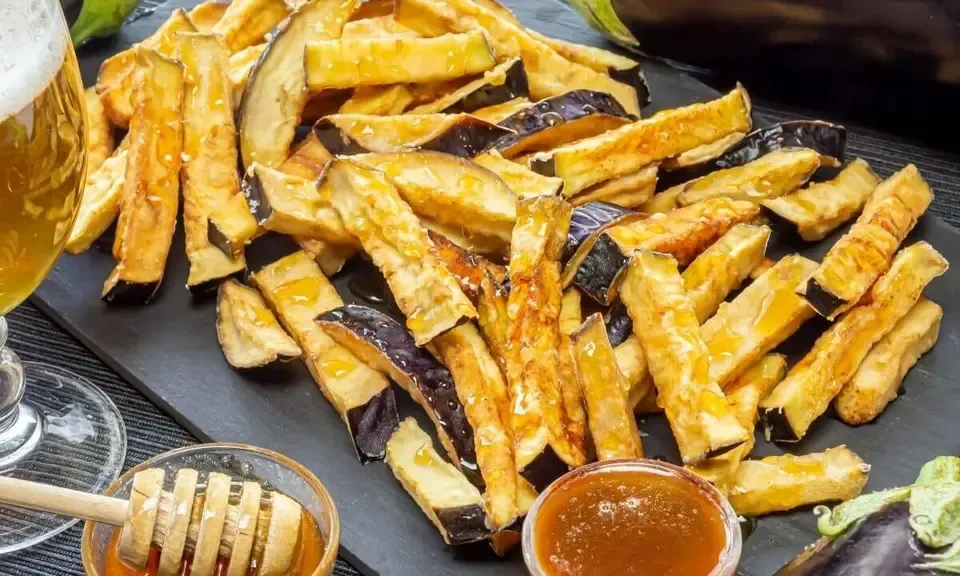
Spring and summer are when it makes sense — especially during the feria season from April through September. It pairs naturally with cold tapas: salmorejo, berenjenas con miel, light cheeses, and charcuterie. Heavy dishes fight the drink's lightness.

Bodegas Campos and Taberna Salinas serve versions made with quality finos — the base wine matters more than most people realise. A fino made from cheap grapes tastes thin in the mix; a decent fino holds its own.

To understand where the fino comes from, the Montilla-Moriles wine route guide covers the bodegas that produce it.

More than a drink

Andalusians are convinced the best rebujito is in Córdoba or Seville — not because the recipe is different, but because the context is right. At three in the afternoon in a canvas tent while a band plays sevillanas, it's exactly what the day calls for. Ordering one in a Madrid cocktail bar is technically possible but misses the point by some distance.

Good for

Food Lovers Couples Budget Gastronomy Entertainment Cultural

Main ingredients

  • Montilla-Moriles fino
  • sparkling lemonade (Sprite or 7UP)
  • ice cubes
  • fresh mint (optional)
  • lime (optional)

Allergens: sulphites

Reporter notebook

Insider tips

Practical observations gathered the way a local journalist would keep them: short, specific, and more useful than brochure copy.

Best time

Drink it during the Feria de Mayo for the full experience

Rebujito exists year-round, but it belongs in a caseta during feria season. The plastic pitcher, the shared table, the sevillanas playing — the context is half the drink. Outside feria, it's a cocktail; during feria, it's a ritual.

What to order

Ask which fino they use — the base wine matters

Cheap fino makes thin rebujito. A decent Montilla-Moriles fino holds its character even diluted with lemonade. At Bodegas Campos or Taberna Salinas, the fino quality is high enough that you taste the wine through the bubbles.

Local custom

Order by the pitcher, not the glass — it's a sharing drink

Rebujito arrives in a white plastic pitcher at ferias and in a glass jug at bars. Either way, it's meant for the table. Ordering a single glass misses the point — the social dimension is built into the format.

Frequently asked questions

Where can I try a rebujito in Córdoba?

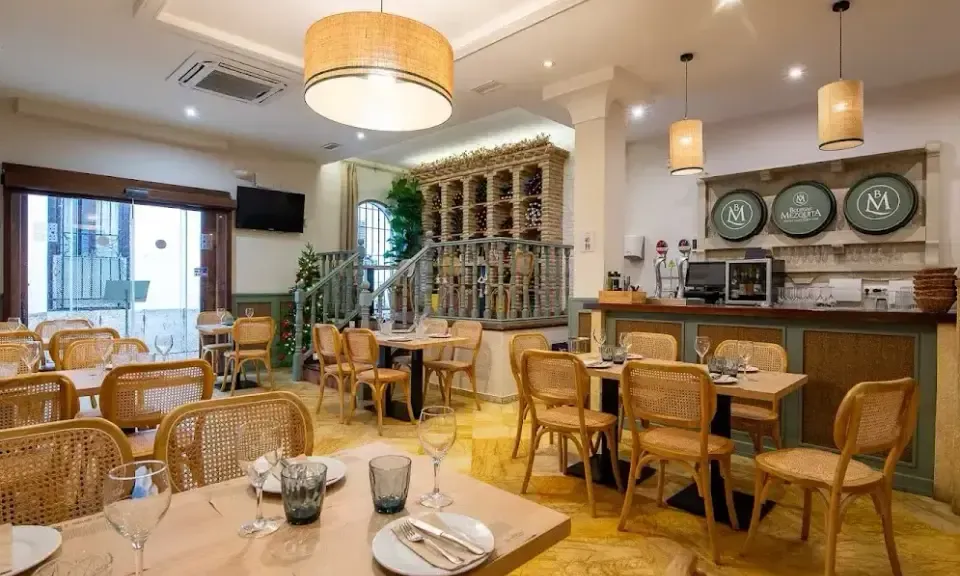
Bodegas Campos and Taberna Salinas serve versions made with quality Montilla-Moriles finos. Casa Pepe de la Judería and Bodegas Mezquita also carry it. During the Feria de Mayo in May, every caseta at the fairground serves it by the pitcher. Year-round, most traditional tapas bars have it on the drinks menu.

Is rebujito suitable for vegetarians or vegans?

Yes. Rebujito contains Montilla-Moriles fino wine, sparkling lemonade, and ice — no animal products. It is vegan and gluten-free. It does contain sulphites from the wine, and approximately 4–6% alcohol depending on the proportions.

What is the correct way to make a rebujito?

Pour the fino first into a glass full of ice, then top with sparkling lemonade at a ratio of roughly one-third fino to two-thirds lemonade. The fino dissolves better into the bubbles this way. Serve very cold. Some bars add fresh mint or a slice of lime — purists skip both.

What food pairs well with a rebujito?

Cold tapas work best: salmorejo, berenjenas con miel, light cheeses, and charcuterie. The drink's lightness and carbonation make it a poor match for heavy, slow-cooked dishes like rabo de toro or callos. It is a warm-weather, festival drink.

Is rebujito the same as a kalimotxo or tinto de verano?

No. Rebujito is made from fino wine and sparkling lemonade. Tinto de verano uses red wine and lemon soda. Kalimotxo uses red wine and cola. They are different regional cocktail traditions. Rebujito is specifically Andalusian and tied to the feria culture of Seville and Córdoba.

Where to taste it in Córdoba