Search the site

food-lovershistory-buffscouples
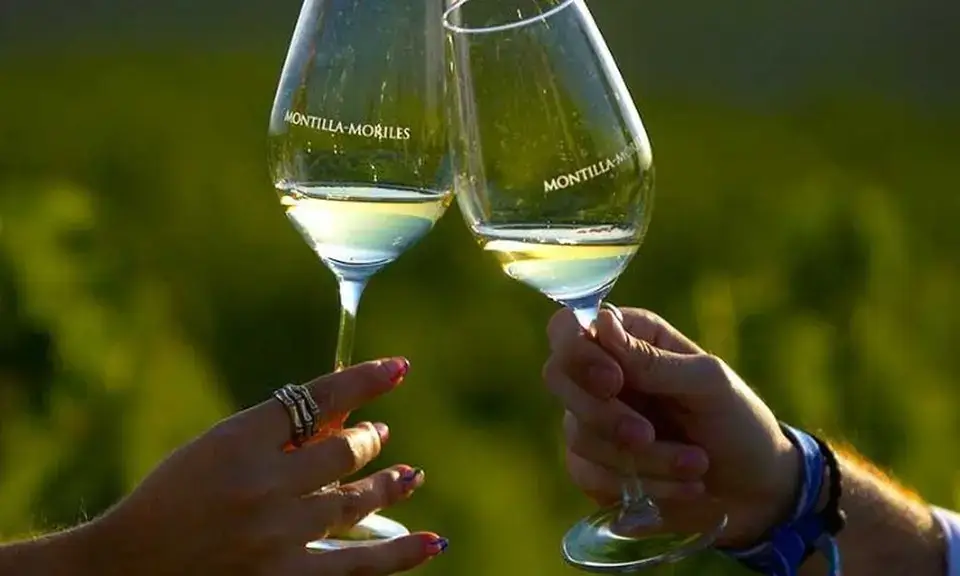
Glasses of Montilla-Moriles fino and Pedro Ximénez wines
Drink vin-appellation

Montilla-Moriles: Córdoba's Wine Appellation of Pedro Ximénez Grapes

Córdoba's own wine: Pedro Ximénez grapes on white limestone, producing finos, amontillados and rich sweet wines without fortification. Taste them here.

Back to gastronomy

At a glance

Category
Drink
Origin
Montilla-Moriles wines have been produced in the Córdoba region since Roman times. The Denominación de Origen (DO) was established in 1945 to protect and promote these wines, made principally from the Pedro Ximénez grape grown on the limestone soils of the Campiña cordobesa.
Temperature
Served cold
Season
Year-round, finos especially popular in summer

On this page

Córdoba's wines, in their own right

Montilla-Moriles is the wine appellation of Córdoba province, centred on the towns of Montilla and Moriles. These wines share DNA with sherry — similar styles, similar methods — but they are not the same thing. The key difference: the Pedro Ximénez grape grown here reaches high enough natural sugar levels that the wines don't need alcohol fortification. The fino comes in at 15–17% vol. on its own.

For centuries, Montilla wine was exported to England under the name "sherry," which created lasting confusion. The Denominación de Origen, established in 1945, drew the boundary and gave the region its own identity.

The styles

The appellation covers a wide range, all built primarily from Pedro Ximénez:

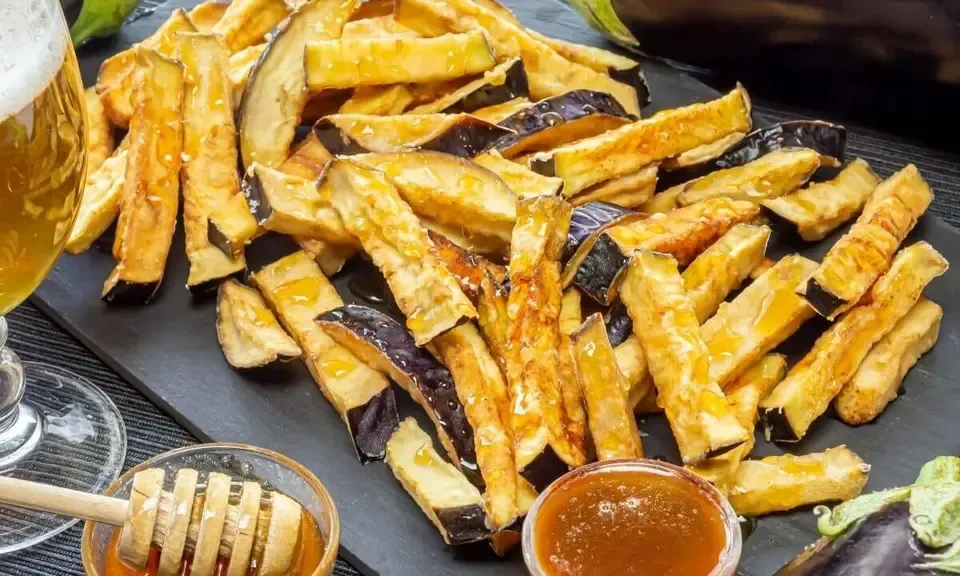
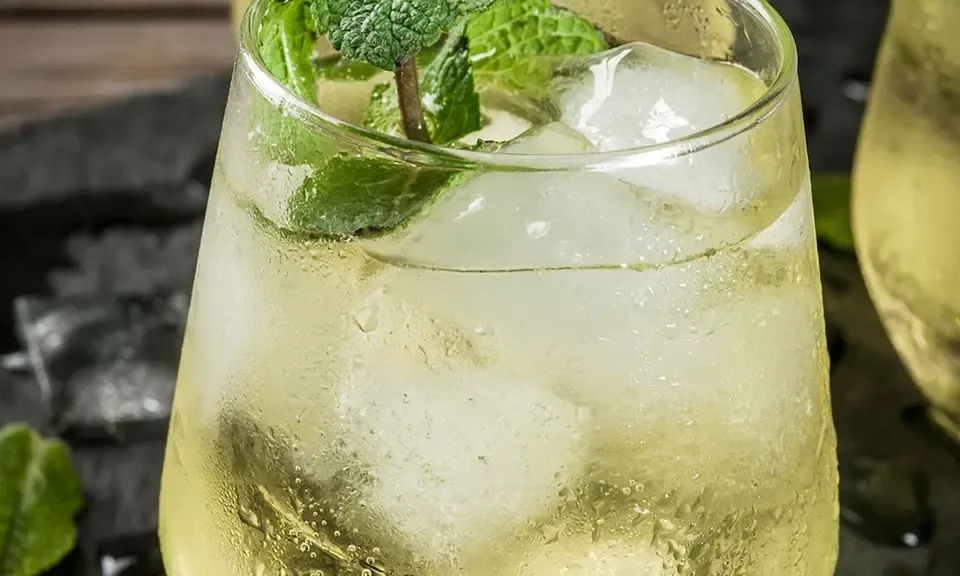
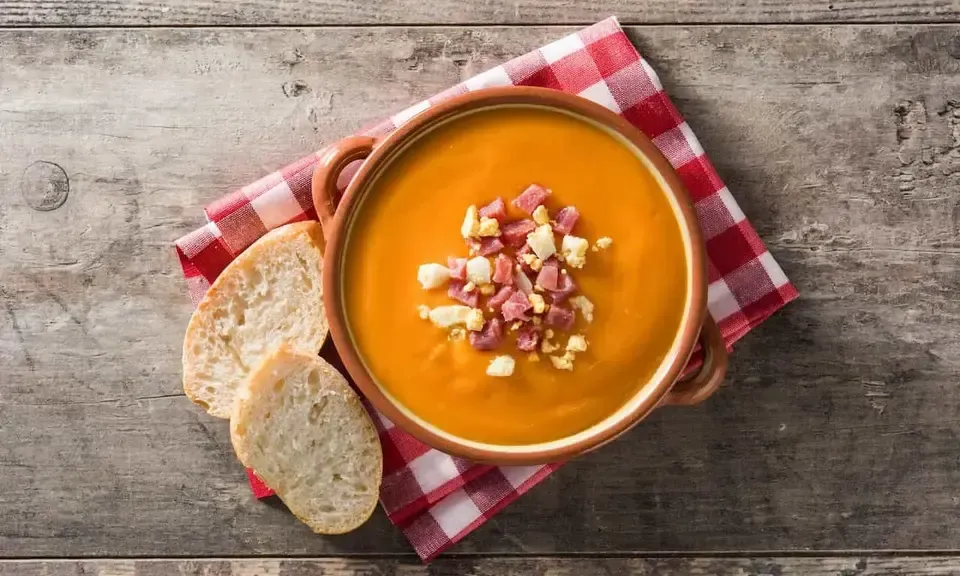
  • Fino: dry, pale, with a saline edge — the right match for tapas like salmorejo or berenjenas con miel, and the base spirit in a rebujito
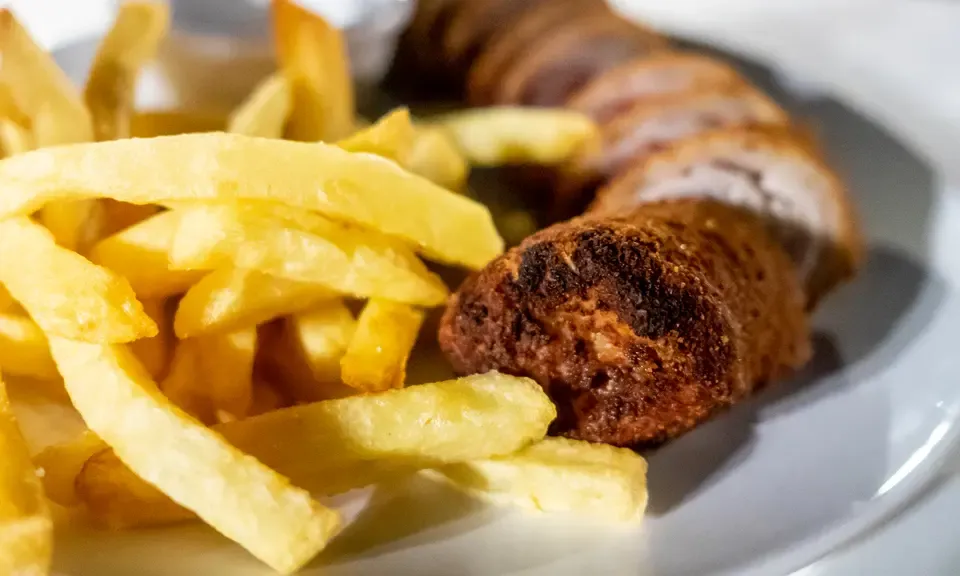
  • Amontillado: aged under flor then oxidatively, amber with hazelnut notes — good with flamenquín or cured meats
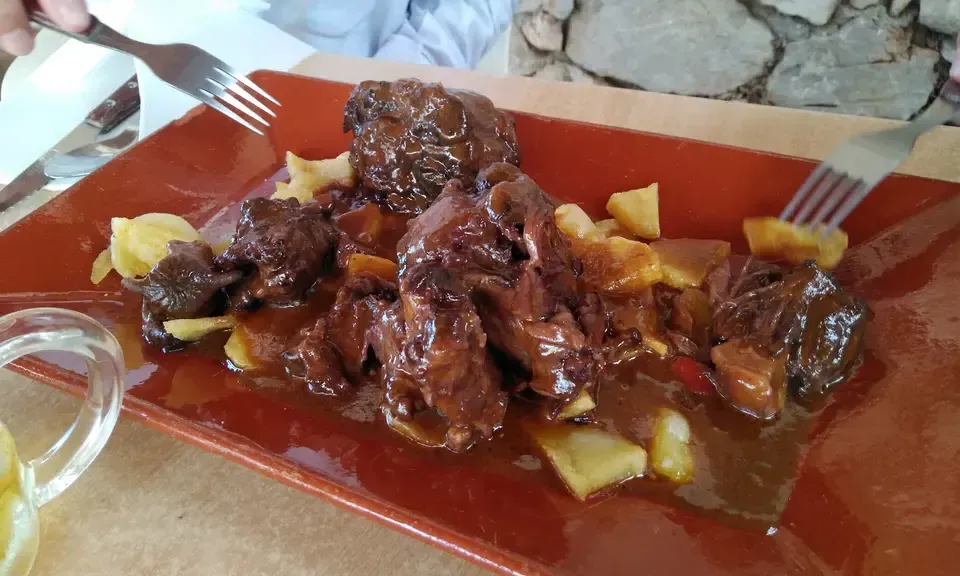
  • Oloroso: full-bodied and nutty, no flor ageing — fits well alongside rabo de toro
  • Palo Cortado: a rare style that starts as fino and crosses into oloroso territory
  • Pedro Ximénez: the sweet wine — raisined grapes, very dark, thick — a natural companion for mazapán or pastel cordobés

What makes the terroir distinct

The climate is extreme continental: hot, dry summers with temperatures regularly above 40°C. The soils are albariza — white limestone that reflects heat and retains winter moisture. These conditions push the grapes to exceptional ripeness without irrigation. It's the same soil type found in Jerez, and it explains the structural similarities between the two wine regions.

Where to drink them in Córdoba

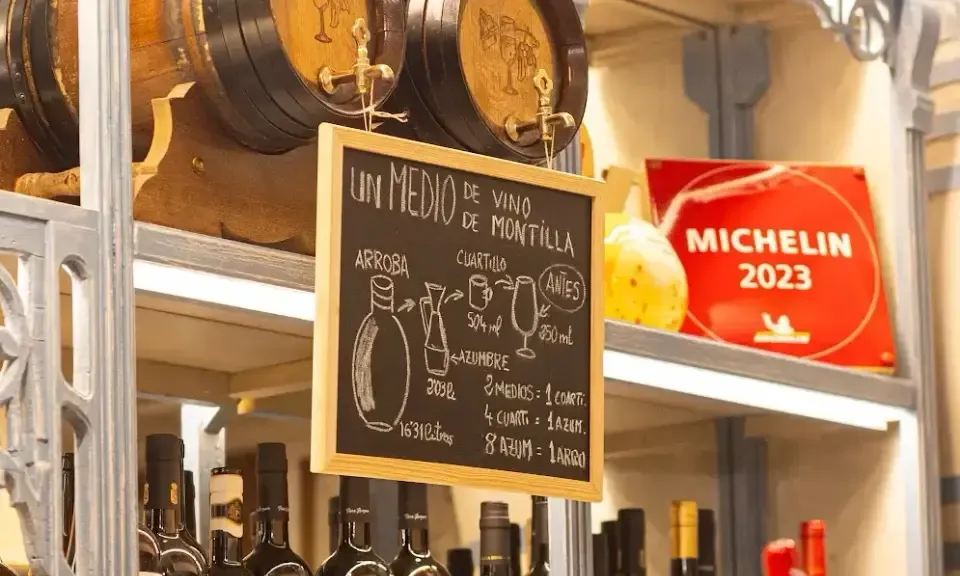
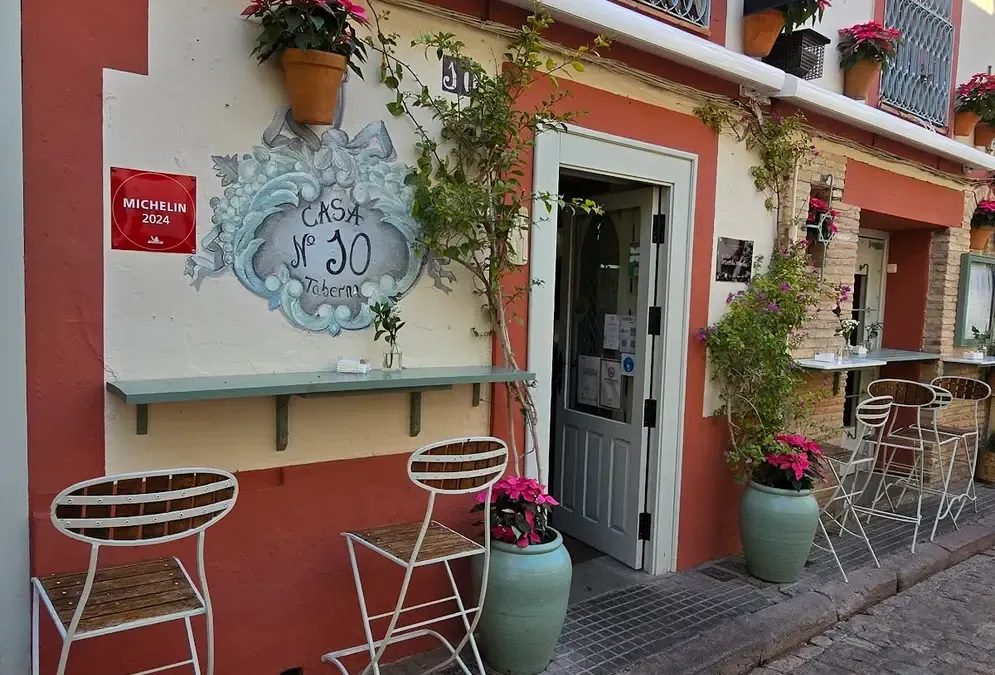
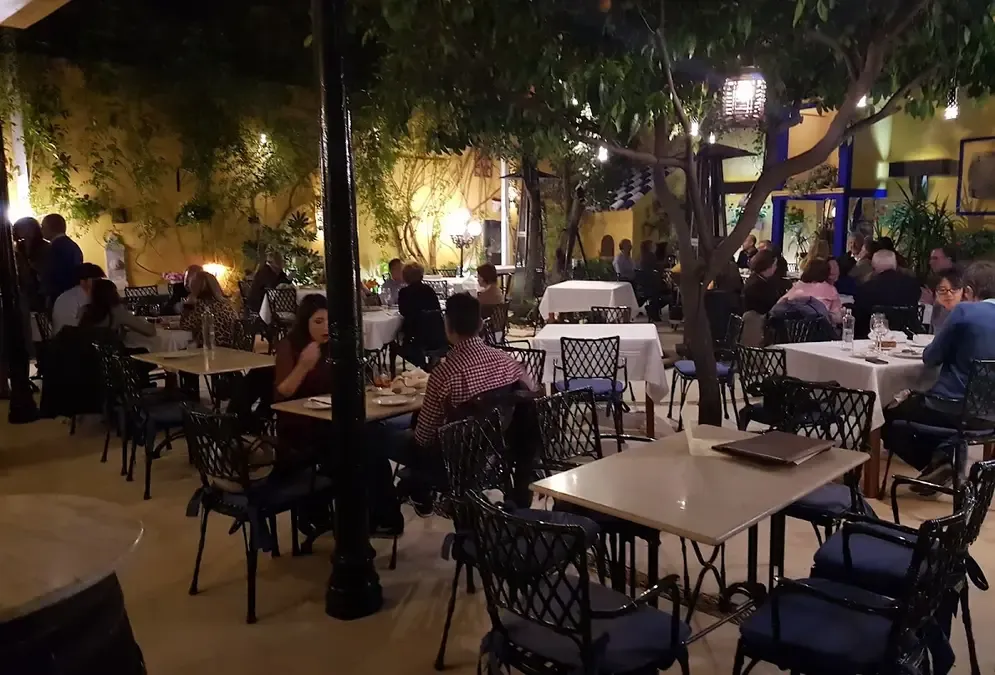
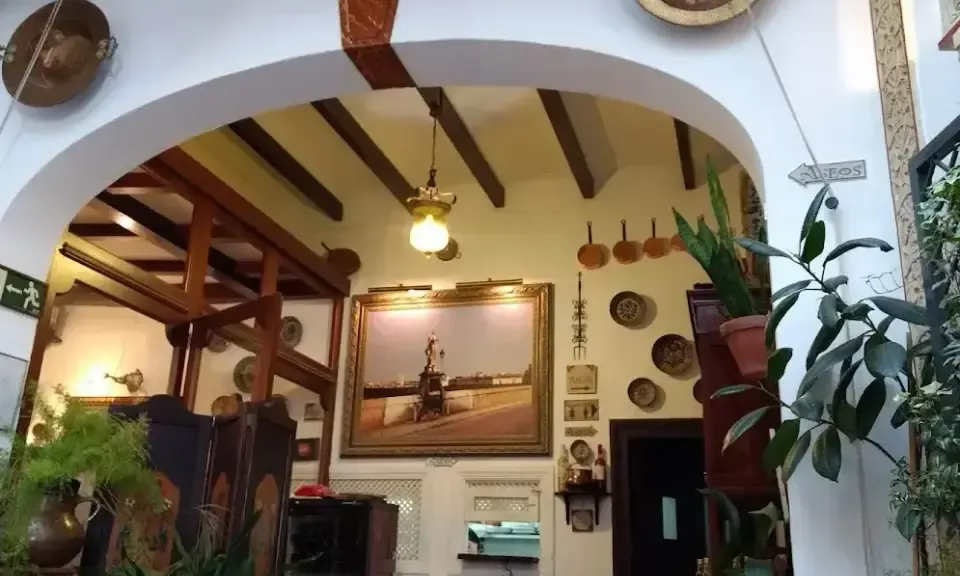
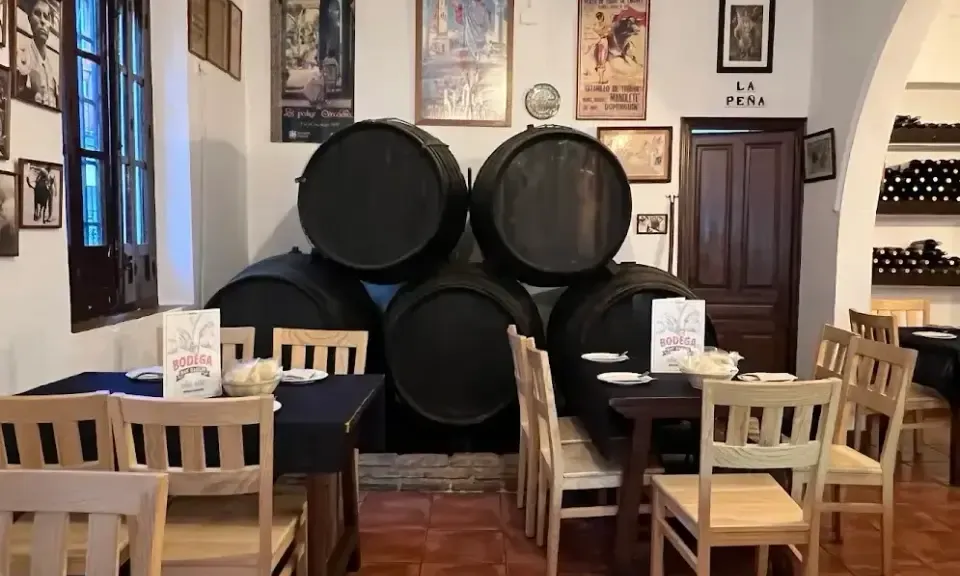
Córdoba's tabernas are the natural habitat for these wines. Bodegas Campos, Taberna Salinas, and Casa Pepe de la Judería keep solid cellars. Taberna El Número 10 runs commented Montilla-Moriles tastings (Michelin selection).

For the full experience, a tasting at the Montilla-Moriles bodegas 40 km from Córdoba puts you in the historic cellars of Alvear (founded 1729), Pérez Barquero, or Toro Albalá with a guide. The Córdoba gastronomic tour pairs fino, amontillado, and Pedro Ximénez with Córdoba dishes inside century-old tabernas.

Planning a wine day trip

The wine route guide covers the Montilla-Moriles region in detail — which bodegas to visit, itinerary options, and practical advice for a day out from the city.

Montilla-Moriles wines rank ninth in our Must-Try Dishes in Córdoba and provide the essential backdrop for any visit to the city's best wine bars.
Good for

Food Lovers History Buffs Couples Gastronomy Cultural

Main ingredients

  • Pedro Ximénez (main grape variety)
  • Moscatel (minor grape variety)
  • Airén (minor grape variety)

Allergens: sulphites

Reporter notebook

Insider tips

Practical observations gathered the way a local journalist would keep them: short, specific, and more useful than brochure copy.

Pairing tip

Taste from dry to sweet, never the other way round

Start with fino, then move toward amontillado and oloroso, and finish with Pedro Ximenez. If you begin on the sweet end, the drier wines lose their precision.

Best time

Use finos in summer and richer styles in cooler months

The region drinks fino naturally in heat, but amontillado and oloroso make more sense when you are pairing them with heavier dishes and cooler evenings.

Frequently asked questions

Where can I taste Montilla-Moriles wines in Córdoba?

Most traditional tabernas stock a good range. Bodegas Campos, Taberna Salinas, and Casa Pepe de la Judería all keep solid cellars. Taberna El Número 10 runs commented Montilla-Moriles tastings. For the full bodega experience, the wine bodegas in Montilla are 40 km from the city — Alvear (founded 1729), Pérez Barquero, and Toro Albalá are the main names.

Is Montilla-Moriles wine the same as sherry?

No, though they share the same grape varieties and production methods. The key difference is that Montilla-Moriles wines do not require fortification — the Pedro Ximénez grape here reaches natural sugar levels high enough to produce a fino at 15–17% vol. without added alcohol. The Denominación de Origen, established in 1945, formally separated the two regions.

What are the different styles of Montilla-Moriles wine?

The appellation produces five main styles: fino (dry, pale, saline), amontillado (amber, hazelnut notes), oloroso (full-bodied, nutty), palo cortado (rare, between fino and oloroso), and Pedro Ximénez (sweet, very dark, thick from raisined grapes). Fino is the most common tapa pairing; Pedro Ximénez pairs with desserts.

What food pairs best with Montilla-Moriles wines?

Fino pairs with seafood, cold tapas, and salmorejo. Amontillado works with flamenquín, cured meats, and white-meat dishes. Oloroso suits slow-cooked stews like rabo de toro. Pedro Ximénez is the natural companion for pastel cordobés, mazapán, and other sweet desserts.

Where to taste it in Córdoba

Similar dishes