Search the site

food-lovershistory-buffsphotographers
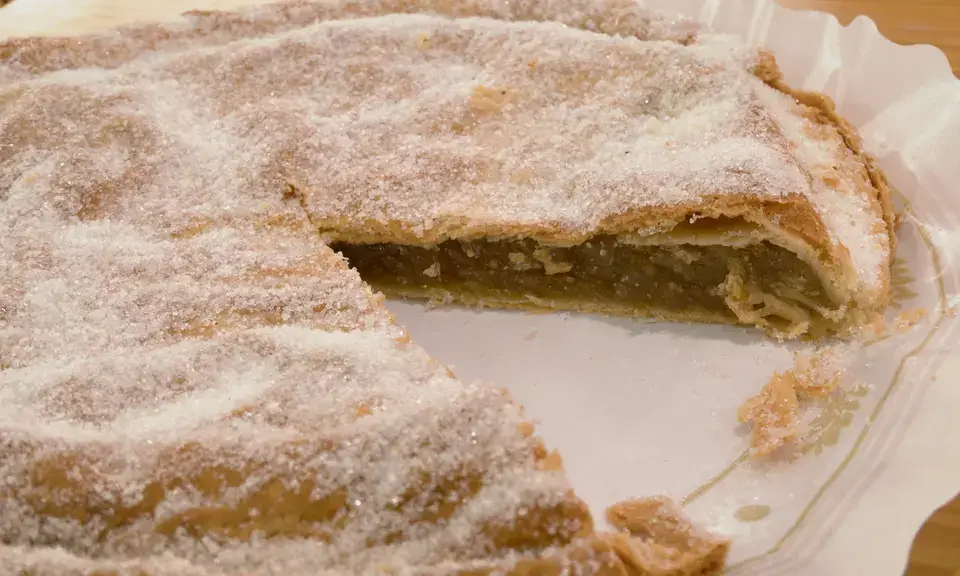
Golden crispy pastel cordobés filled with cabello de ángel
Dessert patisserie-feuilletee

Pastel Cordobés: Córdoba's Flaky Pastry from Convent Tradition

Shattering flaky pastry filled with candied squash jam and almonds — a 17th-century convent recipe still sold fresh in Córdoba's historic pastry shops.

Back to gastronomy

At a glance

Category
Dessert
Origin
Pastel cordobés traces its origins to Córdoba's 17th-century convents, where nuns created refined pastries from surplus egg yolks. This convent tradition was passed on to family bakeries, which today keep the ancestral recipes alive.
Temperature
Room temperature
Season
Year-round, especially popular during religious festivals
Wine pairing
Pedro Ximénez or coffee
Difficulty
Difficult

On this page

What it actually is

Pastel cordobés is not complicated to describe: a rectangle of flaky pastry, layered and crisp, filled with cabello de ángel — a jam made from white squash candied in sugar until it produces fine, golden threads. Ground almonds and cinnamon go into the dough. Egg yolk brushed on top before baking gives it the characteristic sheen.

The texture contrast is the point. The pastry shatters on the first break. The filling is soft and subtly sweet, not cloying. A piece holds together for a few bites before it disintegrates pleasantly on the plate.

From convent to pastry shop

The recipe came out of Córdoba's 17th-century convents. Nuns making starch for clerical vestments used egg whites for the process, which left them with an excess of yolks. Rather than waste them, they built pastry recipes around the surplus — a pragmatic origin for what became an institution. The knowledge moved from the convents to family bakeries over the following centuries, each generation adjusting the recipe slightly while keeping the cabello de ángel base intact.

The same pattern produced mazapán and other Andalusian convent confections. The convents were, in effect, the professional pastry kitchens of their era.

How to eat it

At room temperature, not warm. An airtight tin keeps it crisp for several days after baking, which makes it a practical purchase as a Córdoba souvenir. Cut into squares or diamonds for sharing.

Pedro Ximénez is the natural pairing — the sweet, raisined wine from the Montilla-Moriles appellation echoes the pastry's sweetness without overwhelming it. Strong coffee cuts through it if you want the opposite approach.

Where to buy it

Confitería-Pastelería San Cayetano in the historic centre is frequently cited as the reference. La Flor de Córdoba and Pastelería Roldán both uphold the tradition. Look for fresh batches rather than packaged versions sold as souvenirs — the difference in texture is significant.

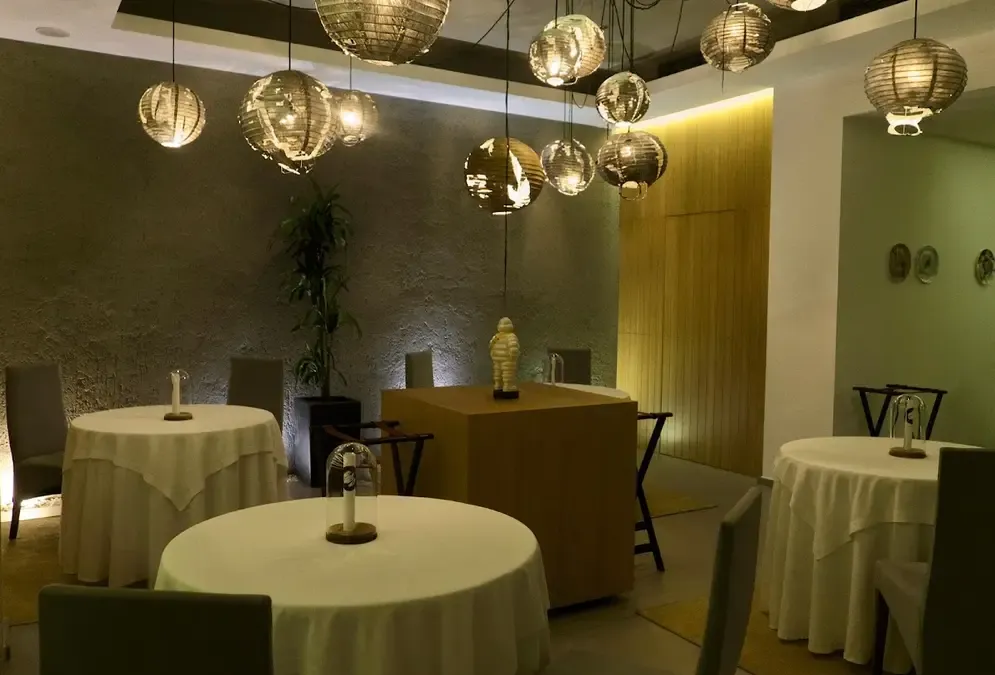
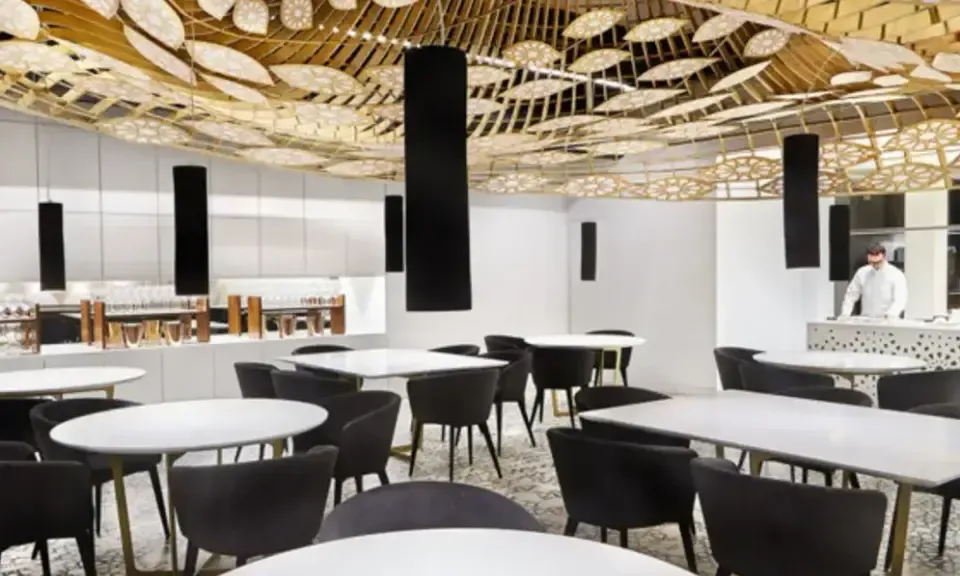
Noor occasionally serves a creative reinterpretation as a dessert course, playing with textures while keeping the cabello de ángel at the centre. It's an interesting comparison to the traditional version if you're eating dinner there anyway.
Good for

Food Lovers History Buffs Photographers Gastronomy History Cultural

Main ingredients

  • flaky pastry
  • cabello de ángel
  • almonds
  • sugar
  • cinnamon
  • eggs

Allergens: gluten, eggs, nuts

Reporter notebook

Insider tips

Practical observations gathered the way a local journalist would keep them: short, specific, and more useful than brochure copy.

What to order

Buy from San Cayetano or La Flor de Córdoba, not the souvenir shops

The fresh-baked version shatters when you break it. The vacuum-packed tourist version bends. The difference in texture is enormous. Buy from a proper pastelería in the morning when the batch is fresh, and eat it the same day.

Pairing tip

Pair with a glass of Pedro Ximénez, not coffee

The dark, raisined sweetness of PX echoes the cabello de ángel filling without competing. Coffee cuts through it, which works — but the PX pairing is what Córdobans reach for, and for good reason. Ask for it cold.

Local custom

Ask when the batch was baked — same-day pastry is a different product

A pastel cordobés loses its shatter after 24 hours. The best pastelerías bake in the morning and sell out by afternoon. If you're buying to take home, ask for it boxed in a tin — it travels well for a day or two but not much longer.

Frequently asked questions

Where can I buy pastel cordobés in Córdoba?

Confitería-Pastelería San Cayetano in the historic centre is the most frequently cited reference. La Flor de Córdoba and Pastelería Roldán also make quality versions. Buy from a proper pastelería rather than tourist souvenir shops — the difference in texture between a fresh-baked and vacuum-packed version is significant.

Is pastel cordobés suitable for vegetarians?

Yes. It is made from flaky pastry, cabello de ángel pumpkin jam, almonds, sugar, cinnamon, and eggs — no meat or fish. It is vegetarian but not suitable for those with gluten, egg, or nut allergies. It is not vegan.

What pairs well with pastel cordobés?

Pedro Ximénez from the Montilla-Moriles appellation is the classic pairing — the dark, raisined sweetness of the wine echoes the cabello de ángel filling. Strong coffee works well too if you want something that cuts through the sweetness rather than complementing it.

Is it a dessert or a gift to take home?

Both. In Córdoba's pastry shops, pastel cordobés is sold by the piece to eat immediately or boxed in tins as a traditional gift. In an airtight tin, it stays crisp for several days, making it a practical food souvenir. After 24–48 hours it begins to lose its characteristic shatter.

What is cabello de ángel — the filling of pastel cordobés?

Cabello de ángel is a traditional Spanish jam made from white squash (spaghetti squash or cidra) candied in sugar until the flesh breaks down into fine, golden threads. The name translates as 'angel's hair', referring to the thread-like texture. The same filling appears in empanadas cordobesas.