Search the site

food-lovershistory-buffsphotographers
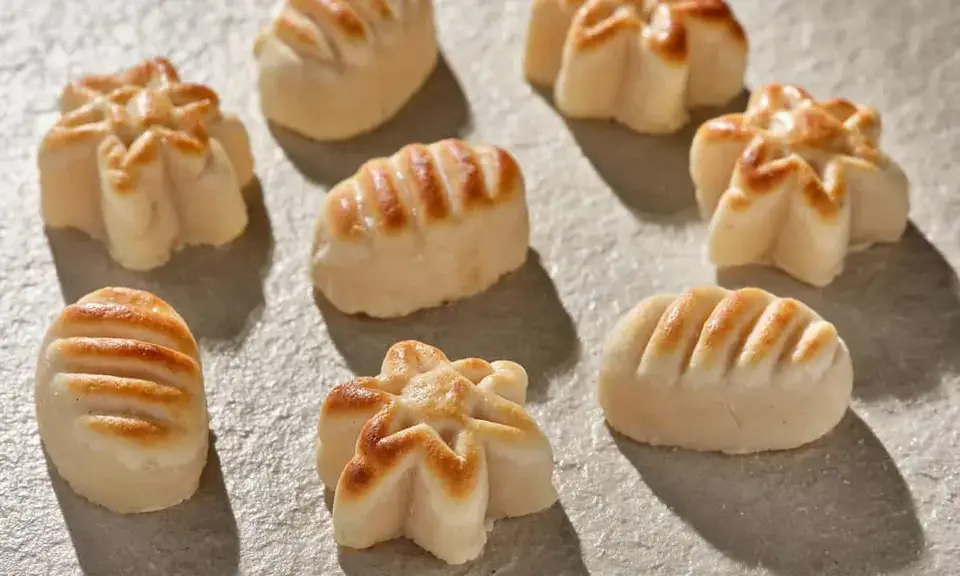
Golden mazapán de Córdoba figurines arranged on a traditional platter
Dessert confiserie

Mazapán de Córdoba: Moorish Almond Marzipan from Al-Andalus

Creamy Marcona almond marzipan hand-shaped in Córdoba since the Moorish Caliphate. Sold year-round in the city's pastry shops — the best souvenir to eat.

Back to gastronomy

At a glance

Category
Dessert
Origin
Mazapán traces its origins to Moorish Spain (Al-Andalus) where Arab craftsmen excelled in the art of working almonds and sugar. In Córdoba, capital of the caliphate, this refined confection graced palace tables. After the Reconquista, Córdoba's convents perpetuated and enriched this ancestral tradition.
Temperature
Room temperature
Season
Year-round, especially popular during the Christmas period
Wine pairing
Pedro Ximénez or mint tea
Difficulty
Medium

On this page

Two ingredients, centuries of history

Mazapán is simpler than it looks. Ground Marcona almonds and icing sugar, roughly two-thirds to one-third, kneaded until smooth. Some recipes add a drop of rose water or orange-blossom water — a technique that goes back to medieval Andalusian confectioners. The paste is hand-shaped or pressed into moulds, brushed with egg yolk, and baked just long enough to set a faint glaze. That's it.

What makes the Córdoba version distinct is the quality of the almonds. Marcona almonds are rounder, softer, and more oily than the commercial varieties used elsewhere. They dissolve into the paste in a way that produces a different texture — closer to butter than to paste.

The route from palace to convent to pastry shop

The word mazapán likely derives from the Arabic mawthaban, a sweetened bread. In the 10th-century Caliphate, Córdoba was one of the wealthiest cities in Europe, and refined confections based on almonds and sugar appeared on palace tables. After the Reconquista, the knowledge passed to Córdoba's convents, as described in our gastronomy guide. The nuns shaped the paste into figurines — saints, animals, simple geometric forms — and passed the recipe to the family bakeries that carry it today.

How to eat it

At room temperature, not cold. Refrigeration dulls the almond aromas. Small pieces work better than large ones — it's rich. Traditionally associated with Christmas, but sold in the historic centre and Judería shops throughout the year.

The natural pairing is Pedro Ximénez — the sweet Montilla-Moriles wine whose dark, raisined character matches the density of the marzipan without overwhelming it. Strong coffee works too, cutting the sweetness without competing with the almond flavour.

Where to buy it

The pastry shops of Córdoba's historic centre are the right place to start. Confitería-Pastelería San Cayetano follows ancestral methods and is frequently cited as the reference. Pastelería Roldán and La Flor de Córdoba both do quality versions, often packaged in boxes that make an ideal traditional gift to take home — for more souvenir ideas beyond edibles, see Córdoba's shopping and crafts guide. During Christmas, the traditional markets in the Judería have mazapán in every form imaginable — from classic figurines to variations that bend the original recipe while keeping the almond base intact.
Good for

Food Lovers History Buffs Photographers Gastronomy History Cultural

Main ingredients

  • Marcona almonds
  • icing sugar
  • rose water
  • egg yolk

Allergens: nuts, eggs

Reporter notebook

Insider tips

Practical observations gathered the way a local journalist would keep them: short, specific, and more useful than brochure copy.

What to order

Buy from a pastelería, not a souvenir shop

The difference between fresh artisan mazapán and the plastic-wrapped tourist version is the difference between butter and margarine. San Cayetano and La Flor de Córdoba make theirs by hand with Marcona almonds. Buy it the day it's made.

Pairing tip

Pair with Pedro Ximénez or strong mint tea

PX echoes the sweetness without fighting it — the raisined grape and the almond find each other naturally. Mint tea is the other traditional pairing, borrowed from the Moorish origin of the recipe. Coffee works but adds nothing.

Local custom

Visit the Judería Christmas markets for the widest selection

Mazapán is sold year-round, but during Christmas the Judería market stalls display dozens of shapes and variations. Figurines, rolls, flavoured versions — it's the one time you can compare five producers in ten minutes.

Frequently asked questions

Where can I buy mazapán in Córdoba?

Confitería-Pastelería San Cayetano in the historic centre is the most cited reference for artisan mazapán made with Marcona almonds using ancestral methods. La Flor de Córdoba and Pastelería Roldán also do quality versions. During Christmas, the Judería market stalls offer the widest selection, including figurines and flavoured variations.

Is mazapán suitable for vegetarians?

Yes. Mazapán is made from Marcona almonds, icing sugar, rose water, and egg yolk — no meat or fish. It is vegetarian, gluten-free, and dairy-free. It does contain eggs and tree nuts, so it is not suitable for those with nut allergies or egg intolerances.

What pairs well with mazapán de Córdoba?

Pedro Ximénez from the Montilla-Moriles appellation is the traditional pairing — the dark, raisined sweetness of the wine echoes the almond without fighting it. Mint tea is the other classic accompaniment, rooted in the Moorish origin of the recipe. Strong coffee cuts through the sweetness cleanly if you prefer contrast.

Is mazapán a dessert or a confection to take home?

Both. In Córdoba's pastry shops, mazapán is sold by the piece to eat immediately or in boxed sets as a traditional gift. It is a dessert in the sense that it is sweet and eaten at the end of a meal, but most people buy it from a bakery counter rather than ordering it at a restaurant.

Can I find mazapán outside of Córdoba?

Marzipan exists across Spain — Toledo is the most famous producer — but the Córdoba version using Marcona almonds has a distinctly different, more buttery texture. You can take it home vacuum-packed from the better pastelerías; it keeps for several weeks and is one of the few genuine Córdoba food souvenirs.