
A pioneer
El Caballo Rojo opened in 1978, directly facing the Mosque-Cathedral. Founder José García Marín spent years working through ancient manuscripts to reconstruct recipes from medieval Córdoba. What he revived was Mozarabic cuisine — the food of Christians living under Moorish rule — which blended Arab and Iberian culinary traditions in combinations that had not been cooked since the Reconquista. Over forty-five years later, the restaurant remains the benchmark for this style of cooking in the city.
The key dishes
The cordero a la miel is the house signature. Lamb slow-roasted to a 10th-century recipe, glazed with spiced honey — cinnamon, clove, and saffron — that evokes the palace kitchens of the Caliphate. The flesh separates from the bone without effort; the honey glaze caramelises at the edges. The rabo de toro (braised oxtail) is another cornerstone: eight hours of braising in red wine and aromatics, the collagen breaking down into a sauce that coats a spoon. This is the dish that established El Caballo Rojo as the reference version in Córdoba long before oxtail became fashionable again. The Monasterio pairs meat with dried fruits in a characteristically medieval way — apricots, raisins, and pine nuts in a preparation that predates the Reconquista. The naranja confitada (candied orange) closes the meal with a sweet-aromatic finish.
The setting
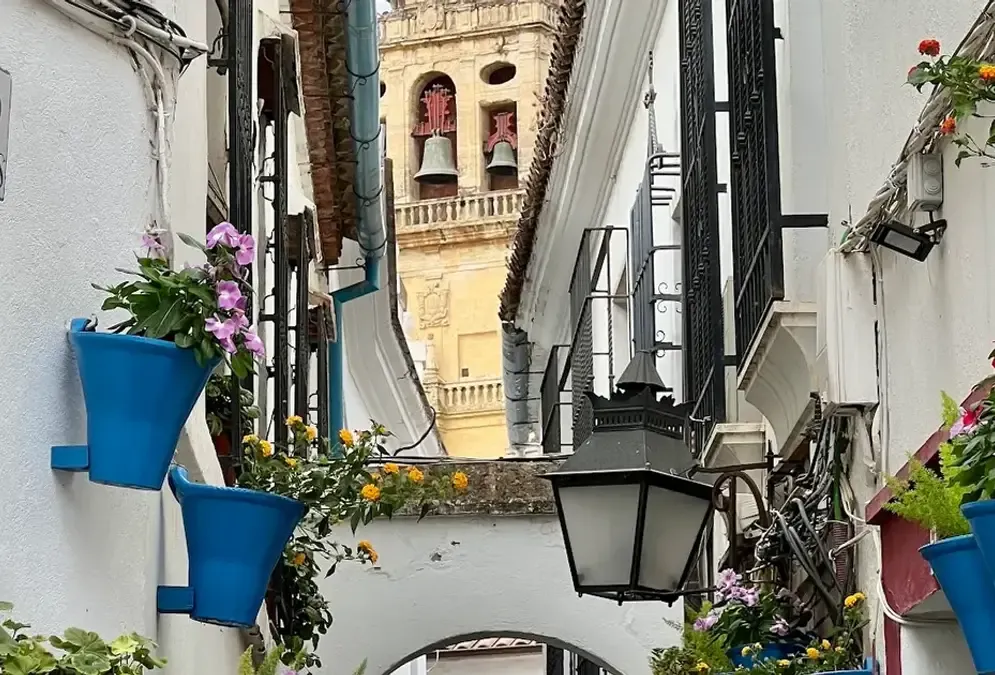
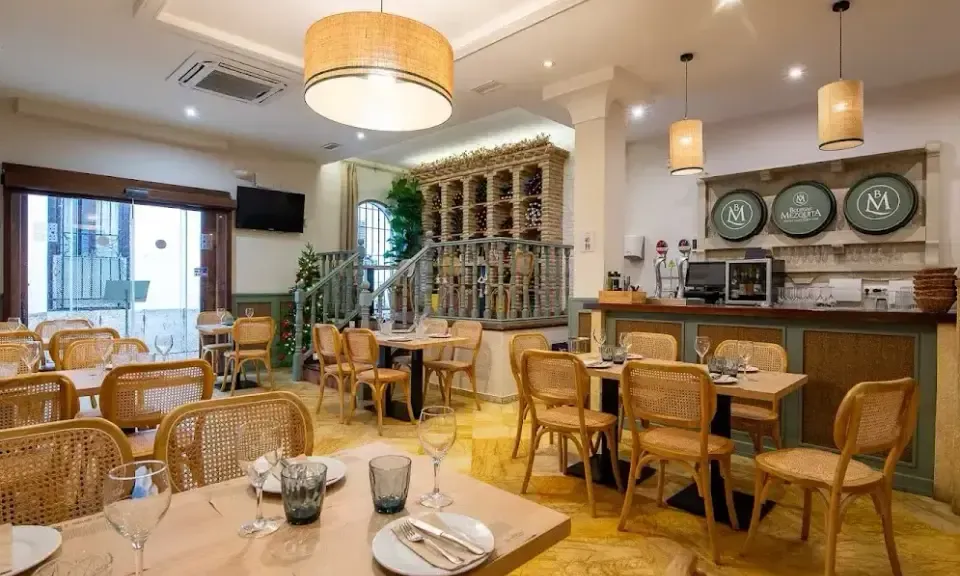
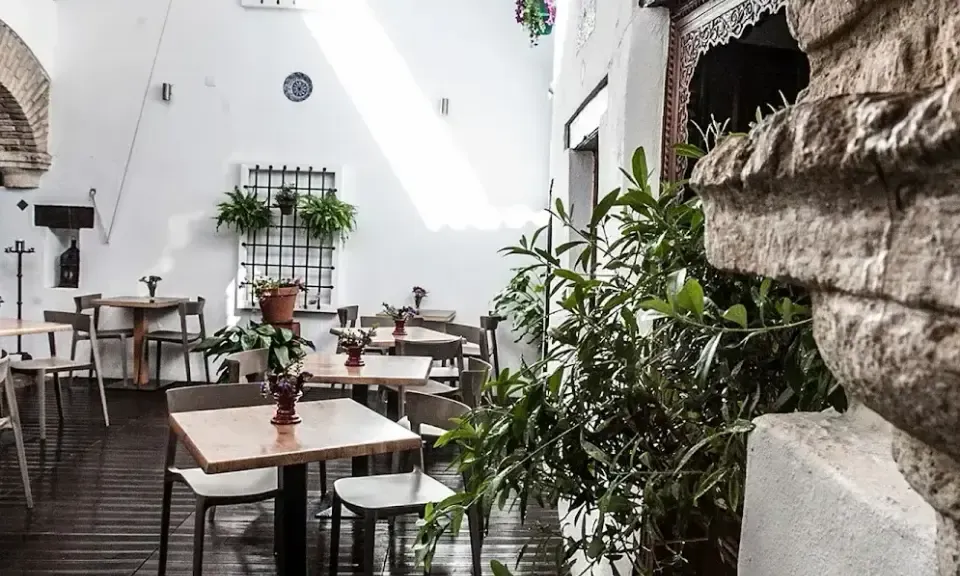
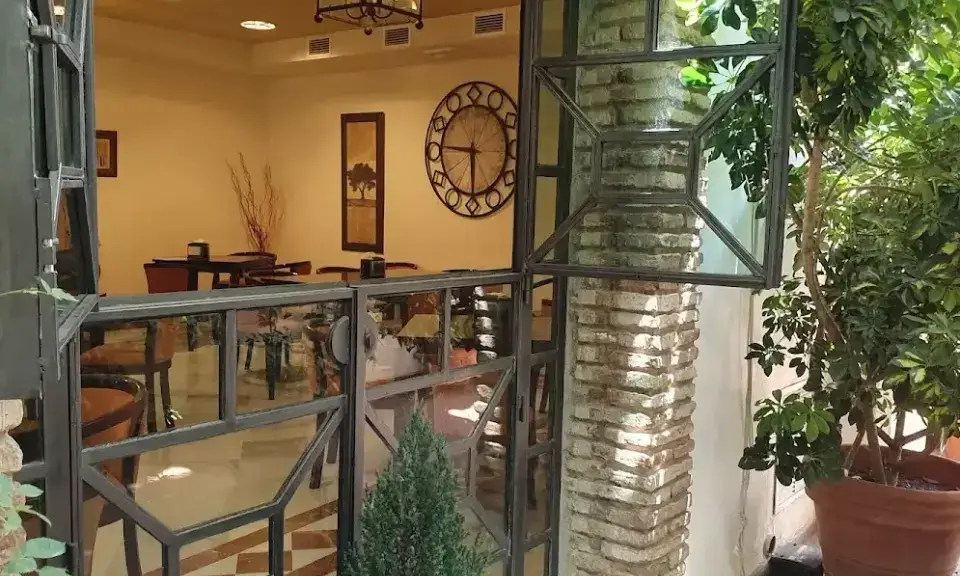
The restaurant spreads over several floors. Upper rooms look out over the Mezquita-Cathedral — ochre walls and bell tower lit up in the evening. Ask for a window table when booking; it makes the meal something different. White linen tablecloths, formal service. The weight of the history on the plate justifies both.
Practical details
The restaurant draws a largely tourist clientele, with groups common. Weekday lunch is calmer and worth the preference. Budget €40–60 for a full gastronomic meal with wine. Reservation essential for window tables facing the Mezquita — book at least a week ahead in high season. The restaurant is open for lunch on Saturdays and Sundays and for dinner every day; weekday lunches are notably calmer and allow a more unhurried conversation with staff about the history behind each dish. The wine list includes a well-chosen Montilla-Moriles selection alongside a broader Spanish carta; the sommelier will match bottles to the Mozarabic dishes if asked.