
Santa Marina is where Manolete was born — the bullfighter whose statue stands in the main square. The neighbourhood also produced Fosforito, one of flamenco's defining voices. These are not just heritage plaques; bullfighting and flamenco have been genuine local culture here for generations.
Character and streets
Santa Marina is the northern edge of the old city, and it feels like it. The streets are calmer than the Judería, the squares less polished, the whole neighbourhood carrying that slightly unfinished quality that marks a place where actual people live rather than a stage set maintained for visitors. Plaza de Santa Marina is the social centre — the Manolete statue stands in the middle, and the terraces around the square fill on weekend evenings with people who aren't tourists.
Calle Santa Marina and the streets around it have a density of patio culture that rivals San Basilio during the May competition. The difference is that Santa Marina draws fewer crowd-followers, which makes the visits more relaxed and the conversations with patio owners more genuine. If you're serious about patios and less interested in the Instagram queue, this quarter is worth prioritising.
The Fernandine church
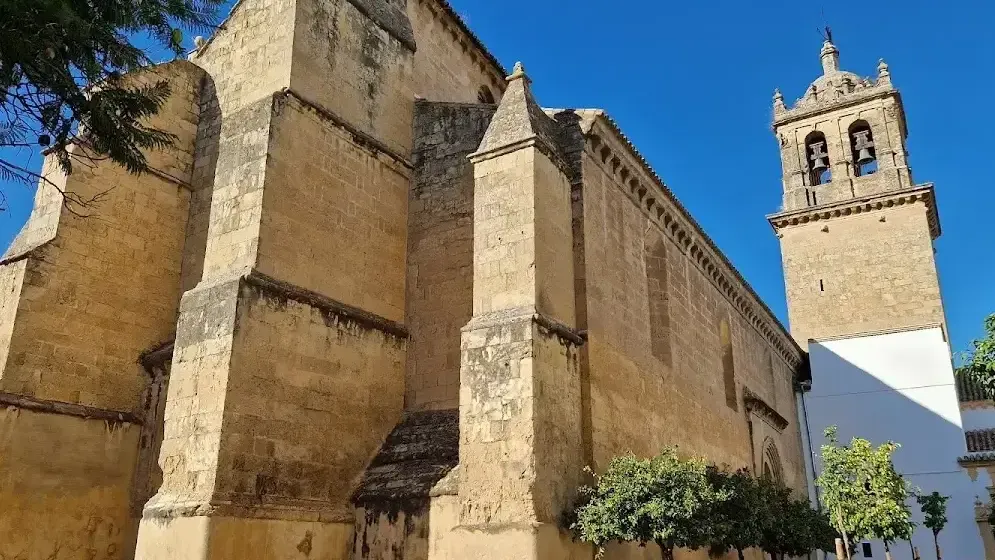
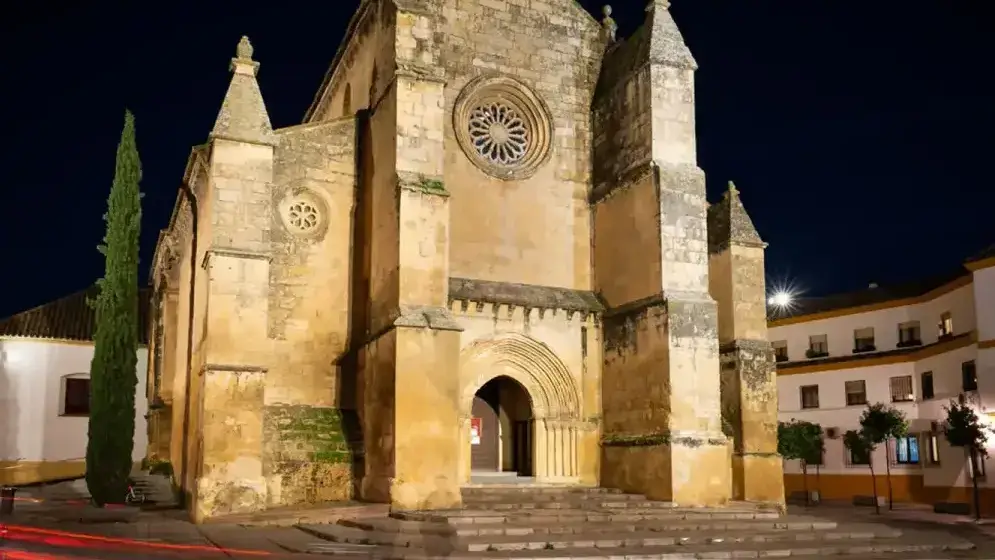
The Church of Santa Marina de Aguas Santas is among the oldest in Córdoba — Romanesque-Gothic façade, bell tower converted from a minaret. Its construction began in the 13th century under Ferdinand III, making it one of the Fernandine churches that mark Córdoba's Christian reconquest. The church faces a square where children still play football against the old stones, which feels appropriate.
Palacio de Viana
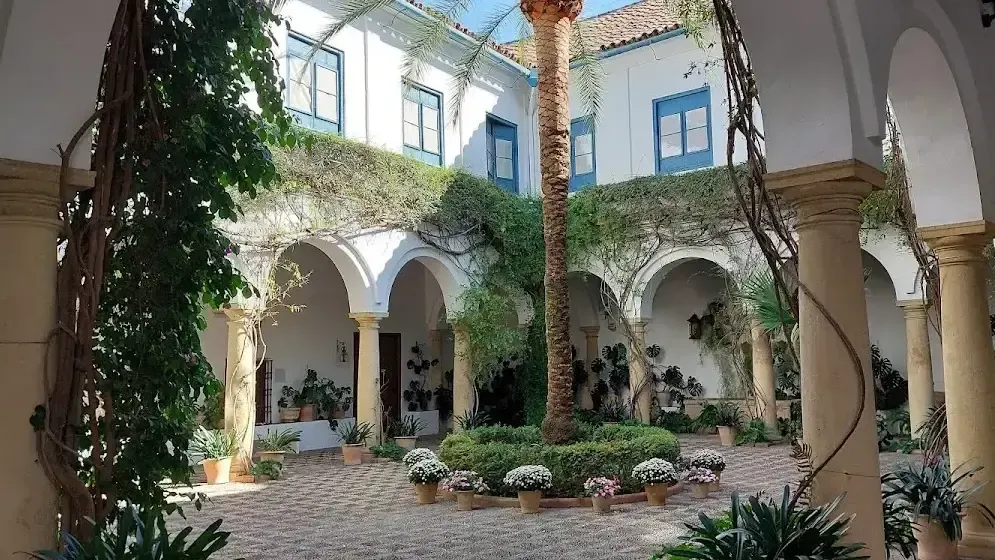
The Palacio de Viana and its 12 patios are the main architectural draw in Santa Marina. The palace was expanded and modified over several centuries; the result is a layered building where Renaissance, Baroque and earlier medieval elements sit alongside each other without conflict. Each of the twelve patios has its own character — some formal and geometric, others more intimate and plant-heavy. The guided tour takes about an hour. Plan the visit before lunch rather than after; the morning light in the courtyards is significantly better.
Patios and the festival
Santa Marina's patios rank among the strongest entries in the May competition. The neighbourhood draws fewer crowds than San Basilio during the Patios Festival, which makes it worth including in any itinerary focused on patio quality rather than easy access. The complete festival guide has a dedicated route through this quarter. The Patios Trail walking route includes Santa Marina alongside San Basilio and the Judería, and is the most thorough way to see the competition courtyards in a single morning. For the Islamic architectural legacy woven into the neighbourhood's churches and palaces, the Moorish Architecture Tour passes through here on its way north from the Mezquita.
Food and flamenco
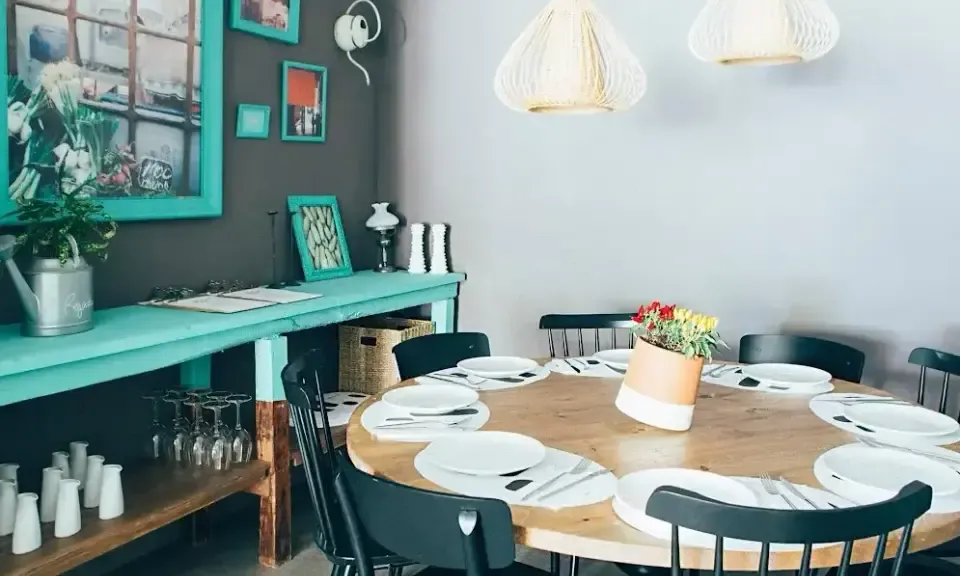
La Regadera serves market-driven cooking in the neighbourhood — the menu changes with what's in season, making it one of the more genuinely seasonal options outside the tourist-heavy Judería. Book ahead for weekends.
Santa Marina bred the flamenco tradition, but the professional shows run in the tablaos of the neighbouring Judería every evening — the most direct way to see it performed in a small, intimate setting.
Getting around Santa Marina
Allow 1.5 to 2 hours, more if visiting the Palacio de Viana. The neighbourhood walks naturally into the Judería at its southern edge and toward San Lorenzo to the east — good for a longer morning circuit through Córdoba's northern historic quarters.