Search the site

history-buffsphotographerssolocouplesaccessibleart-lovers
Holy Week (Semana Santa)
March-April UNESCO Free Religious tradition and living heritage

Holy Week (Semana Santa)

Semana Santa de Córdoba

28 March – 4 April 2027
8 days
Historic centre, Carrera Oficial (official route) to the Mezquita-Cathedral
All events

On this page

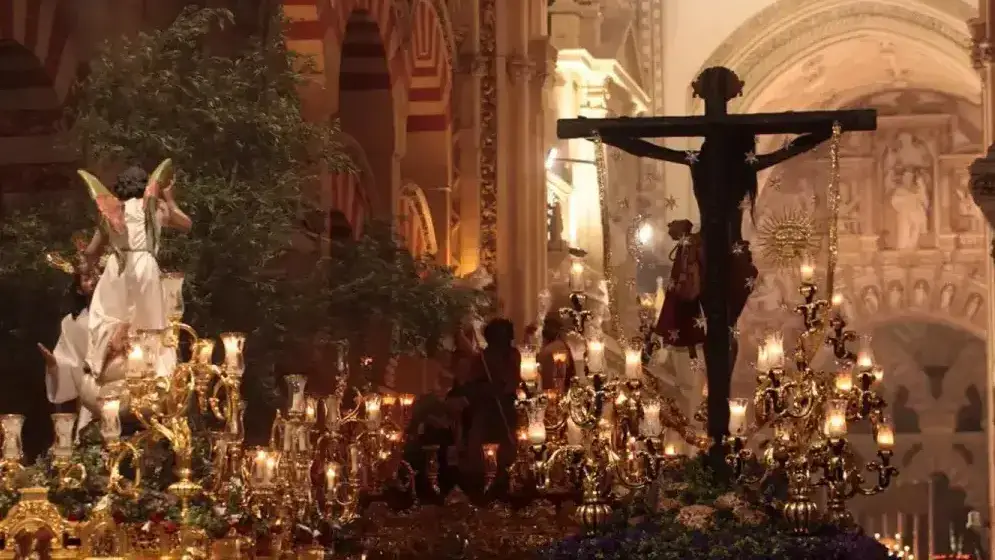
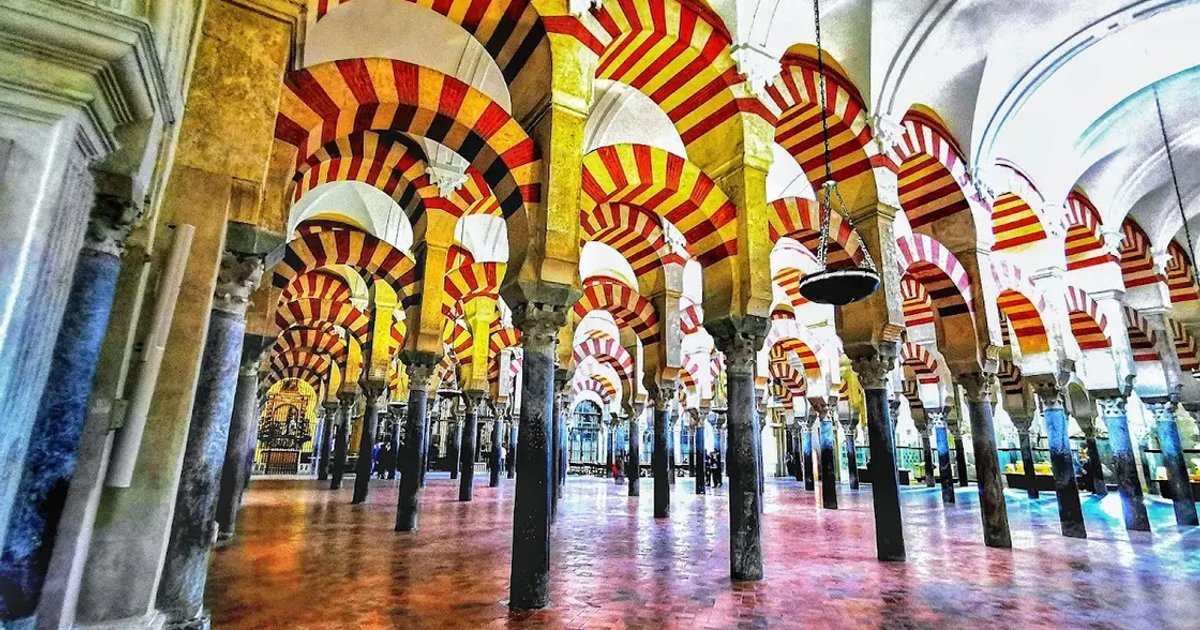
Holy Week 2026 has just concluded. Over eight days (29 March – 5 April), thirty-eight brotherhoods processed through the UNESCO historic centre in an annual rhythm that has endured since the 16th century. Each hermandad followed its carefully mapped route from home church to the Mezquita-Cathedral. Baroque pasos laden with gilded sculptures passed beneath the horseshoe arches of the most famous Islamic monument in the Western world. Hooded penitents (nazarenos) in their brotherhood's colours — black for mourning, white for purity, purple for penitence — carried floats weighing up to 2 tonnes through the Calleja de las Flores, across the Roman Bridge, and past the Cristo de los Faroles.

The contrast with Seville was unmistakable. Seville is grander, more international, more theatrical. Córdoba is quieter, reverent. Respectful silence replaced applause. What unfolded was not a performance but something the city does for itself — and visitors happened to be present.

The Madrugada

The most intense moment was the Madrugada of Good Friday. On the night of April 3, at midnight, in absolute silence broken only by muffled drums, the Hermandad de la Buena Muerte conducted its nocturnal procession through the medieval lanes of the Judería. The darkness, the incense, the scent of orange blossom still in the air at that hour, the saetas called out from balconies in raw, ragged voices — non-religious visitors consistently described it as one of the more affecting things they've experienced anywhere. The official route arrival at the Mezquita was 02:15 AM.

2027 Preview

Easter 2027 falls on April 4, so Holy Week will run approximately March 28 – April 4. Expect the same solemn, intimate atmosphere: 38 brotherhoods, the Madrugada at midnight on Good Friday, and all the medieval stone and candlelight that made 2026 unforgettable. Hotels book up months in advance — reserve accommodation by October 2026 at the latest.

Accessibility Features

Two adapted viewing platforms near the Puerta del Puente seat roughly 100 people each, giving wheelchair users and visitors with mobility challenges a clear sightline to the processions. The Tribuna Real — paid grandstand in front of the Mezquita, €15–30 — remains the most comfortable option for anyone who wants a fixed seat. Blue zones for visitors on the autism spectrum, which previously applied only to outdoor areas, now extend into Cathedral interiors. Reserve the accessible platforms through turismodecordoba.org.
Good for

History Buffs Photographers Solo Couples Accessible Art Lovers Religious Cultural History Art

Highlights

38 brotherhoods and 25,000 participants over 8 daysAll processions pass in front of the Mezquita-CathedralThe Madrugada: silent nocturnal procession from midnight on Good Friday (April 3), Mezquita arrival at 02:15 AMMore intimate and spiritual atmosphere than SevilleUnique setting combining Islamic heritage and Christian BaroqueSaetas sung from balconies — sacred flamenco songs called into the darknessDeclared a Festival of International Tourist InterestThe narrow lanes of the Judería offer some of the most atmospheric photography in AndalusiaTwo accessible viewing platforms near Puerta del Puente; expanded blue zones for autism spectrum visitors now include Cathedral interiors

Stages

Mezquita-Cathedral (Carrera Oficial)

Variable depending on the brotherhood

Central point of all processions. In 2026, no brotherhood may begin or end its procession here — but all pass through the official route in front of the Puerta del Perdón and Patio de los Naranjos. Arrive two hours early for a decent standing position.

Calleja de las Flores

Anytime between processions

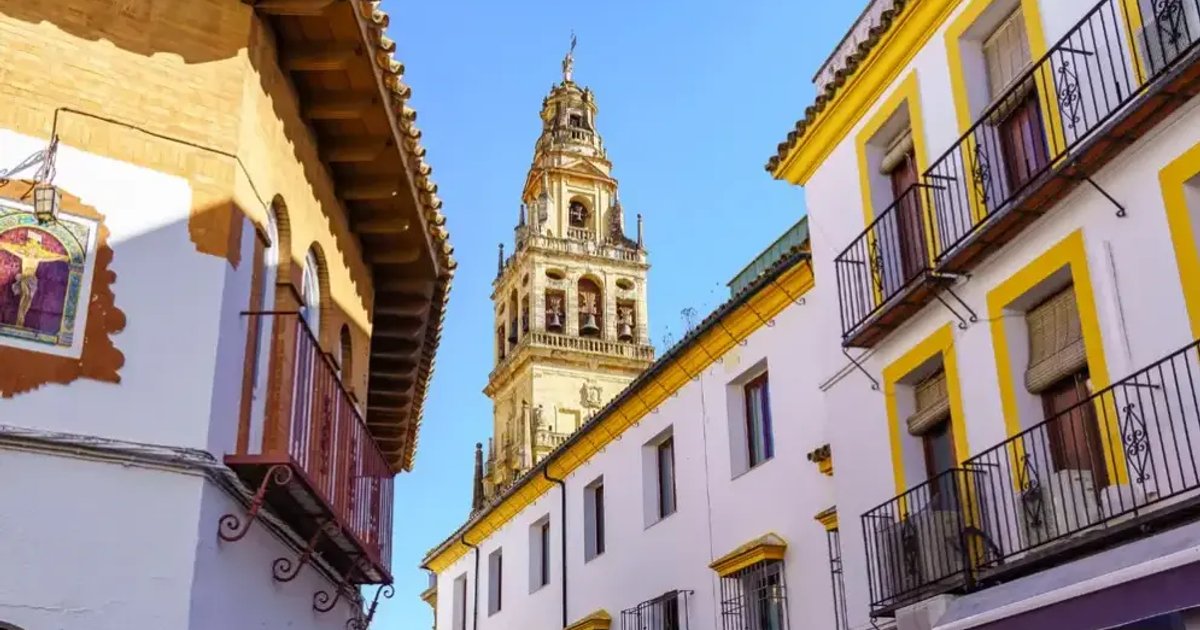
Iconic alley with a view of the Mezquita tower. Processions do not pass through here, but it is steps from the Carrera Oficial and worth visiting for atmosphere and photography between processions.

Puente Romano

Variable depending on routes

Illuminated Roman Bridge, a spectacular setting for evening processions. Open view over the Guadalquivir and the Torre de la Calahorra. Less crowded than the centre — worth positioning here for the Descendimiento on Holy Tuesday.

Puerta del Puente (accessible platforms)

During all processions on the official route

Two adapted viewing platforms near the Puerta del Puente, each holding around 100 people. Reserved for visitors with mobility challenges. Book in advance through turismodecordoba.org.

Plaza del Potro

8:00–10:00 pm for certain brotherhoods

Picturesque square in the historic quarter. Authentic local atmosphere, fewer tourists. Several bars with terraces where you can watch processions pass.

Plaza de Capuchinos (Cristo de los Faroles)

Variable, notably during the Madrugada

Facing the famous Cristo de los Faroles, an iconic symbol of Córdoba's Holy Week. The Madrugada passes through here — less touristy than the centre, and the lantern-lit square gives it a particular atmosphere at that hour.

San Lorenzo - Santa Marina (off-centre)

Start and end of processions from these quarters

Traditional neighbourhoods where several brotherhoods begin their routes — including the Resurrección, which departs from Santa Marina on Easter Sunday. No tourists. The most direct way to experience Holy Week as a resident rather than a visitor.

Key moments

Palm Sunday (29 March) 5:30 pm

Hermandad de las Penas / Hermandad de la Esperanza 510 nazarenos

Holy Week opened with Las Penas departing at 5:30 pm — 40 minutes earlier than the old 6:10 pm schedule, a change introduced for 2026. La Esperanza followed from the church of San Andrés. A family procession marking Christ's entry into Jerusalem, with the distribution of blessed palm fronds along the route.

Holy Monday (30 March) 3:45 pm – ~1:50 am

Presentación, Estrella, Merced, Sentencia, Vía Crucis, Ánimas 549 nazarenos

Six brotherhoods processed on Holy Monday. The afternoon opened at 3:45pm with Presentación al Pueblo — making its Carrera Oficial debut in 2026, a first in the brotherhood's history. Estrella departed at 4:00pm; Merced followed shortly after. The evening session began with Sentencia at 6:15pm from the church of San Nicolás de la Villa: Córdoba's largest brotherhood, 549 nazarenos, carrying the Cristo de la Sentencia, one of the city's most venerated images. Vía Crucis departed at 6:56pm, Ánimas at 7:34pm. Processions passed the Mezquita in waves from around 8pm through 10:30pm. The last brotherhoods finished near 1:50am.

Holy Tuesday (31 March) 16:50 – ~02:50

Agonía, Universitaria, Sangre, Buen Suceso, Santa Faz, Prendimiento

Six brotherhoods processed that evening. Agonía led at 4:50pm — one of the prominent brotherhoods of the week, bringing a novelty for 2026. Buen Suceso departed at approximately 5:00pm, followed by Universitaria and Sangre both around 5:10pm. Santa Faz departed around 6:30pm. Prendimiento — depicting the Arrest of Christ — was last to depart at approximately 7:15pm and last to finish, wrapping up around 2:50am. Processions passed the Mezquita from roughly 7pm through 10:30pm. The Roman Bridge at dusk (7–8pm) was one of the best viewing spots of the night: Agonía and Universitaria crossed the Guadalquivir in the early evening light, with the Torre de la Calahorra as a backdrop.

Holy Wednesday (1 April) 6:30 pm / 8:00 pm

Hermandad de la Piedad / Hermandad del Calvario

Two major processions occurred. La Piedad departed from San Antonio María Claret — a route change driven by the new rule that no brotherhood may begin its procession at the Cathedral. The Virgen de la Piedad, nicknamed 'La Gitana', was carried by the Romani community in an atmosphere of intense flamenco devotion.

Holy Thursday (2 April) — Most intense day 5:00 pm to 11:30 pm

El Nazareno, Caridad, Caído, Cena, Angustias, Cristo de Gracia

Six processions unfolded in succession. El Nazareno departed at 5:00 pm; Cena at 6:00 pm; Cristo de Gracia at 7:00 pm. The entire city became a continuous processional route. Several brotherhoods converged near the Mezquita in the late evening — by 10 pm, the streets around the historic centre reached maximum density.

Good Friday — MADRUGADA (3 April, early hours) midnight – 5:20 am (Mezquita arrival: 02:15 AM)

Hermandad de la Buena Muerte

The most solemn moment of Córdoba's Holy Week. In absolute silence — no talking, no applauding, no flash photography — the military brotherhood winds through streets plunged into darkness. Muffled drums beat the funeral march. Saetas break the silence from balconies above. The official route arrival at the Mezquita is 02:15 AM. Position yourself on Calle Cardenal Herrero from 11 pm to secure a spot before the crowds fill the lane. Dress in layers — it drops to 8–10°C before dawn.

Good Friday — Daytime (3 April) 6:00 pm – 11:00 pm

Los Dolores, Santo Sepulcro, Virgen de los Remedios

After the Madrugada, Good Friday continued with Passion and entombment processions. Santo Sepulcro was one of the five brotherhoods bringing novelties in 2026. The Virgen de los Dolores drew particular devotion from local residents who lined the route hours in advance.

Holy Saturday (4 April) 9:00 pm

Virgen de la Soledad

Procession of mourning and the Virgin's solitude following Christ's death. The most contained and meditative evening of the week. Lit by candlelight alone, with no bands — just the shuffle of feet on stone and occasional distant drums.

Easter Sunday (5 April) 11:00 am

Hermandad de la Resurrección

Joyful procession closed Córdoba's Holy Week, departing from the church of Santa Marina. Nazarenos wore brilliant white, drums gave way to brass bands. After eight days of solemnity, the shift in atmosphere was immediate and deliberate — the city exhaled.

Reporter notebook

Insider tips

Practical observations gathered the way a local journalist would keep them: short, specific, and more useful than brochure copy.

Best time

Pick one major moment instead of chasing everything

First-time visitors get more from choosing one daytime procession and one night window — such as the Madrugada on Good Friday — than from sprinting between brotherhoods all week. The week rewards depth over coverage.

Photo spot

Use the Roman Bridge for scale, the lanes for intimacy

Go to the bridge at dusk if you want broad views and skyline context. The narrow Judería lanes near the Mezquita offer close-up shots of the pasos — but be prepared to wait early and shoot without flash, which is both discouraged and noticed by locals.

Local custom

Silence matters during the Madrugada

When locals lower their voices, follow their lead immediately. Phones, flash and loud commentary feel especially out of place in the most devotional sections of the route. The silence is not atmospheric staging — it is expected behaviour.

Practical information

When
March-April
Hours
Processions from 5:00 pm to 11:30 pm on regular days. Good Friday Madrugada: midnight – 5:20 am (Mezquita arrival 02:15 AM). Easter Sunday: 11:00 am.
Location
Historic centre, Carrera Oficial (official route) to the Mezquita-Cathedral
Price
Free (grandstand seats in front of the Mezquita recommended in advance: €15–30)
Best time
For maximum intensity: Holy Thursday (six processions from 5 pm) and the Good Friday Madrugada. For a first visit: Palm Sunday or Holy Monday (fewer crowds, full processions, easier to find a good spot).

Planning tip

Book accommodation in the Judería at least six months in advance — Holy Thursday and Good Friday nights sell out first. Best viewing spots: in front of the Mezquita (arrive two hours early, or book a Tribuna Real seat for €15–30), the Calleja de las Flores for close-up photography, the Roman Bridge at dusk for wide views. For the Madrugada: absolute silence is mandatory, no flash, dress in layers — nights drop to 8–11°C before dawn. The historic centre closes to traffic during processions.

2026 accessibility: Two adapted platforms near Puerta del Puente (~100 capacity each) give wheelchair users a clear sightline. Book through turismodecordoba.org. Blue zones for autism spectrum visitors now include Cathedral interiors. The Tribuna Real grandstand is the most comfortable seated option for anyone who needs a fixed position.

Weather: Expect 22–25°C by day but 8–11°C at night, with around a 75% chance of some rain during the week. Palm Sunday can be unsettled; conditions typically improve mid-week. Pack a light rain jacket and proper layers for late-night vigils.

Cathedral departure rule: In 2026, no brotherhood may begin or end its procession at the Cathedral. This affects several departure times and routes — always check hermandadesdecordoba.es for the current schedule before heading out.

Getting here: AVE high-speed trains link Seville to Córdoba every 30 minutes (journey: ~48 min). Operators include AVE, OUIGO, iryo and Renfe. For the complete visitor guide with 2026 schedule details, see our Holy Week guide.

Frequently asked questions

When is Semana Santa Córdoba 2026?

Holy Week in Córdoba runs from Palm Sunday 29 March to Easter Sunday 5 April 2026. The event is currently underway. Processions take place every day, with the most intense moments on Holy Thursday (six brotherhoods from 5 pm) and the Good Friday Madrugada, which begins at midnight and reaches the Mezquita at 02:15 AM.

Is Córdoba's Holy Week free to attend?

All processions are free to watch from the streets. The exception is the official grandstand seating in front of the [Mezquita-Cathedral](/monument/mezquita-cathedral), where reserved seats cost €15–30 and sell out weeks in advance. Standing positions along the route — at the Roman Bridge, Plaza de las Tendillas, or anywhere on the Carrera Oficial — cost nothing.

Is there grandstand seating available and how do I book it?

Yes. The Tribuna Real in front of the Mezquita offers reserved seats for €15–30 per night. It sells out several weeks before the event, particularly for Holy Thursday and Good Friday. Book through the official brotherhood website hermandadesdecordoba.es or turismodecordoba.org. It is the most comfortable option for anyone who wants a fixed, unobstructed seat.

Do I need to book accommodation far in advance for Semana Santa?

Yes. Hotels in the [Judería](/neighborhood/juderia) and [historic centre](/neighborhood/centro) fill up six months ahead for Good Friday and Holy Thursday nights. If you're arriving without a booking this week, you'll likely be staying well outside the centre. For 2027, book by October at the latest.

Is Córdoba's Holy Week accessible for visitors with mobility or sensory needs?

Yes. In 2026, two adapted viewing platforms near the Puerta del Puente (around 100 seats each) give wheelchair users and visitors with limited mobility a clear sightline to the processions. Reserve them through turismodecordoba.org. The Tribuna Real grandstand in front of the Mezquita (€15–30) is the most comfortable seated option. Blue zones for autism spectrum visitors now extend into Cathedral interiors as well as outdoor route areas.