Starter
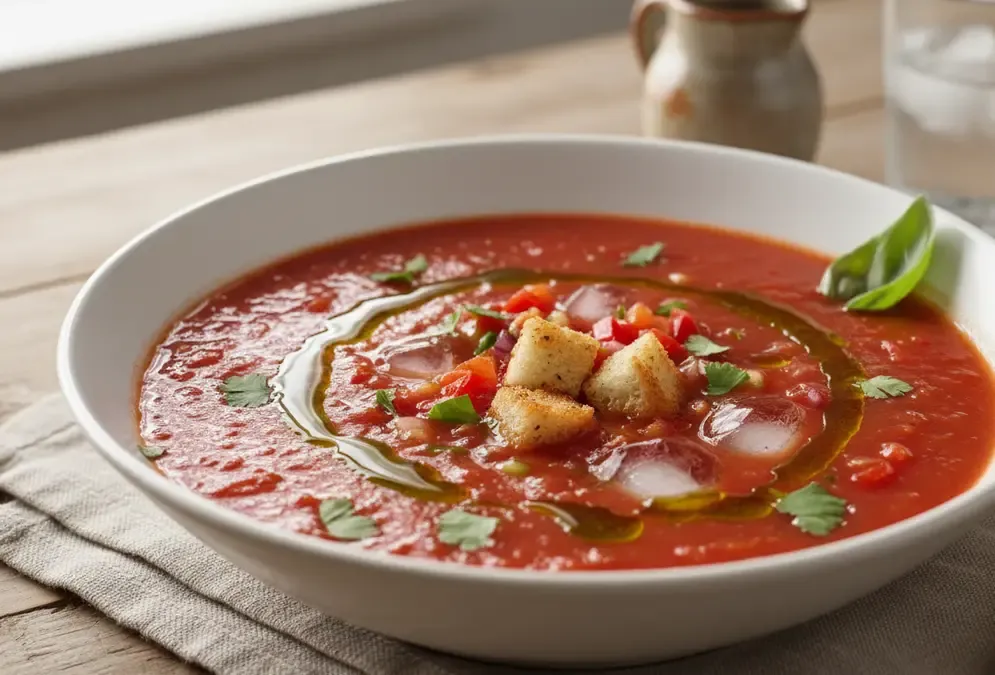
Gazpacho
Andalusia's refreshing cold tomato soup — raw blended vegetables, olive oil, and season-ripe tomatoes. Córdoba's best bars serve it from May to September.
cold-soup andalusian summer
Explore
From the iconic salmorejo cordobés to fresh gazpacho, discover the cold soups and traditional first courses of Córdoba.
Córdoba's traditional starters reflect the province's position as one of the great agricultural landscapes of southern Europe: a place where tomatoes, peppers, aubergines, chickpeas and olive oil are of such quality that they require little culinary transformation to achieve something extraordinary. At the apex of the Córdoban starter tradition stands salmorejo cordobés — a cold emulsified cream of ripe tomatoes, stale bread, garlic and the finest local extra-virgin olive oil, topped with diced jamón ibérico and hard-boiled egg. This preparation has achieved a texture and flavour balance so refined that Córdoban chefs regard it as their primary cultural contribution to world cuisine. Gazpacho appears here in varieties including the white gazpacho (ajo blanco) of almonds, garlic and bread — a survival from the Moorish kitchen — and the classic version made with the specific tomatoes and peppers of the Guadalquivir valley. Other traditional starters include revuelto de espárragos silvestres (scrambled eggs with wild asparagus from the Sierra Morena) and champiñones al ajillo (mushrooms with garlic and dry sherry). Each dish tells a story about the landscape and agricultural heritage of the province.
Andalusia's refreshing cold tomato soup — raw blended vegetables, olive oil, and season-ripe tomatoes. Córdoba's best bars serve it from May to September.
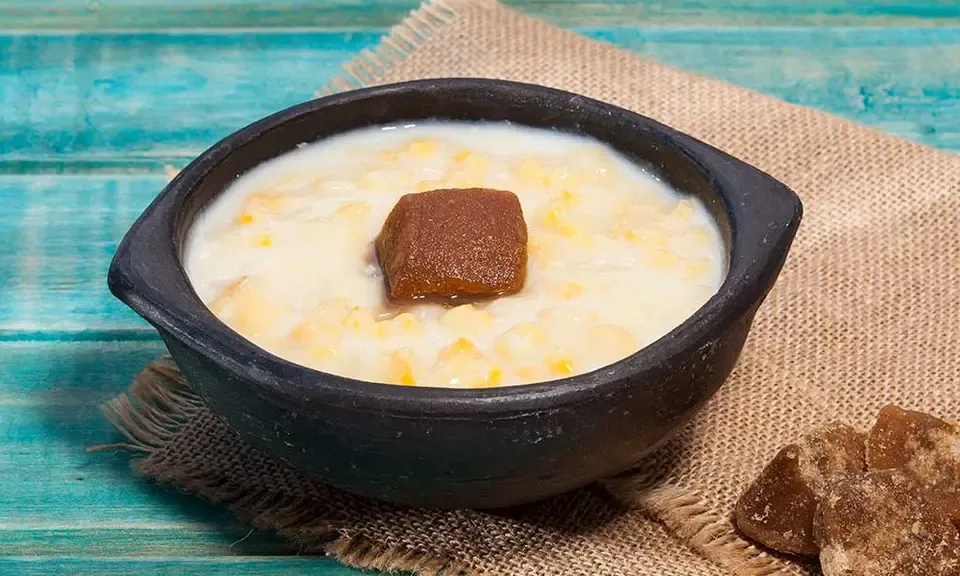
The cold almond soup that predates salmorejo by centuries — a Moorish Córdoba classic made with almonds, bread and olive oil. Taste history this summer.
Salmorejo is Córdoba's cold tomato cream: ripe tomatoes blended with stale bread, garlic and local extra-virgin olive oil until the mixture reaches the consistency of a thick sauce. Served chilled with a drizzle of olive oil and thin strips of jamón ibérico on top. Unlike gazpacho, there is no cucumber or pepper — purely tomato, bread and oil. The result is smoother, denser and richer than any cold soup elsewhere in Andalusia.
Both are cold tomato-based preparations but the texture and proportion of ingredients differ significantly. Salmorejo contains a high ratio of bread, which gives it a cream-like body — it sits in the bowl rather than pours. Gazpacho is more liquid, includes cucumber, green pepper and sometimes vinegar, and is drunk as much as eaten. Salmorejo is the Córdoban speciality; gazpacho is more broadly Andalusian.
Bar Santos, a narrow counter near the Mezquita on Calle Magistral González Francés, is the reference address — standing room only, house salmorejo topped with sliced boiled egg and jamón ibérico, unchanged for decades. Casa Pepe de la Judería serves it in a more traditional dining room setting with the full range of Córdoban home cooking around it. Both are within five minutes of the Mezquita.
Salmorejo comes first, almost always. Berenjenas con miel de caña — batter-fried aubergine with cane syrup — appears on virtually every menu in the old centre and is the second reflex order. Revuelto de espárragos silvestres (scrambled eggs with wild asparagus from the Sierra Morena) is seasonal and worth ordering in spring. Croquetas de jamón are reliable everywhere and usually made to order rather than frozen.
Salmorejo's base — tomatoes, bread, garlic, olive oil — is fully plant-based. The traditional topping of jamón ibérico is meat, but most kitchens will serve it plain or with egg only on request. Gazpacho and cold cream soups are generally vegetarian as made. Berenjenas con miel de caña is vegetarian. Croquetas typically contain ham; worth checking before ordering.
Enjoying Explore Córdoba? Add us as a preferred source on Google.