Dessert
Mazapán de Cordoue
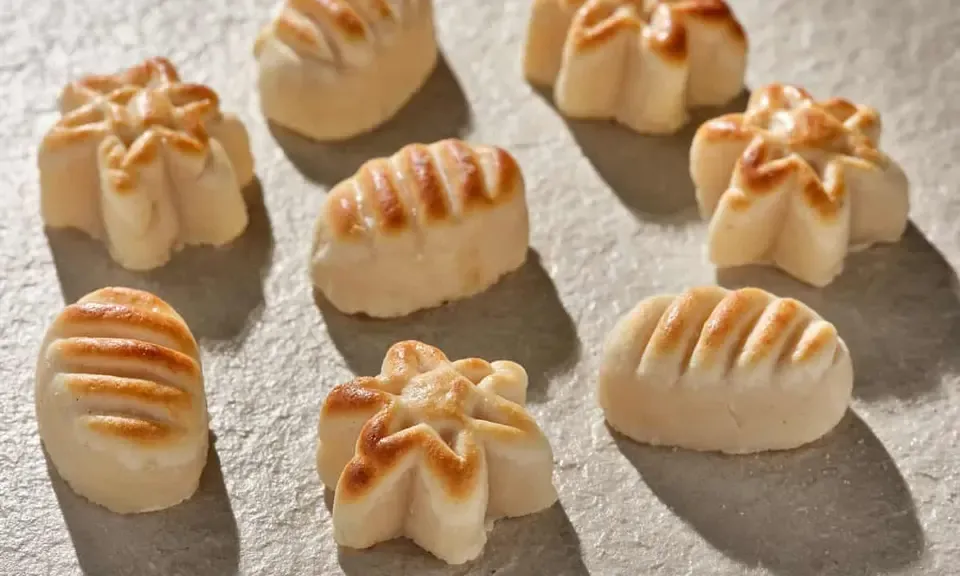
Creamy Marcona almond marzipan hand-shaped in Córdoba since the Moorish Caliphate. Sold year-round in the city's pastry shops — the best souvenir to eat.
dessert confection marzipan
Explore
From the legendary pastel cordobés to convent pastries steeped in centuries of Arab-Christian culinary fusion.
Córdoba's dessert tradition is the most direct and legible culinary inheritance from the Moorish period — a treasury of recipes built around almonds, honey, cinnamon, sesame, orange blossom water and dried fruits that formed the core of the Umayyad court's confectionery and which survive, barely transformed, in the convents, patisseries and home kitchens of the modern city. The supreme expression is the pastel cordobés — an oval pastry filled with pumpkin jam (cabello de ángel) and almond marzipan, glazed with sugar and decorated with pine nuts — at its best when bought directly from the nuns of the Convento de San Francisco, who have been making it to an unchanged recipe for three centuries. Mazapán (marzipan) is made throughout the province in an extraordinary variety of shapes and flavourings, many bearing Arabic names unchanged since the Moorish period. Alfajores, spiced honey cakes of clear Moorish origin, are the Christmas confection par excellence. The pastry counters of Córdoba's convents, open to the public at designated hours, offer one of the most intimate cultural experiences the city affords.
Creamy Marcona almond marzipan hand-shaped in Córdoba since the Moorish Caliphate. Sold year-round in the city's pastry shops — the best souvenir to eat.
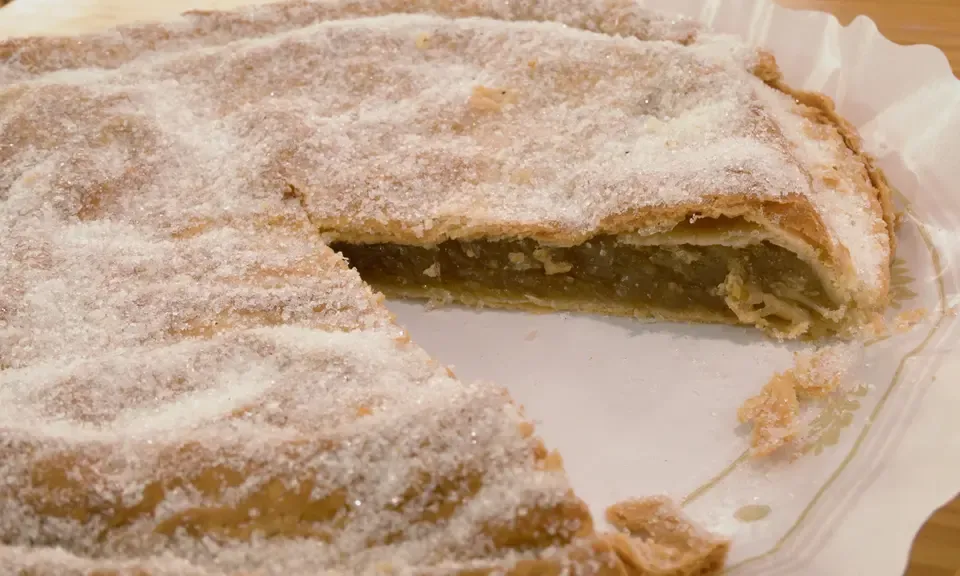
Shattering flaky pastry filled with candied squash jam and almonds — a 17th-century convent recipe still sold fresh in Córdoba's historic pastry shops.