UNESCO
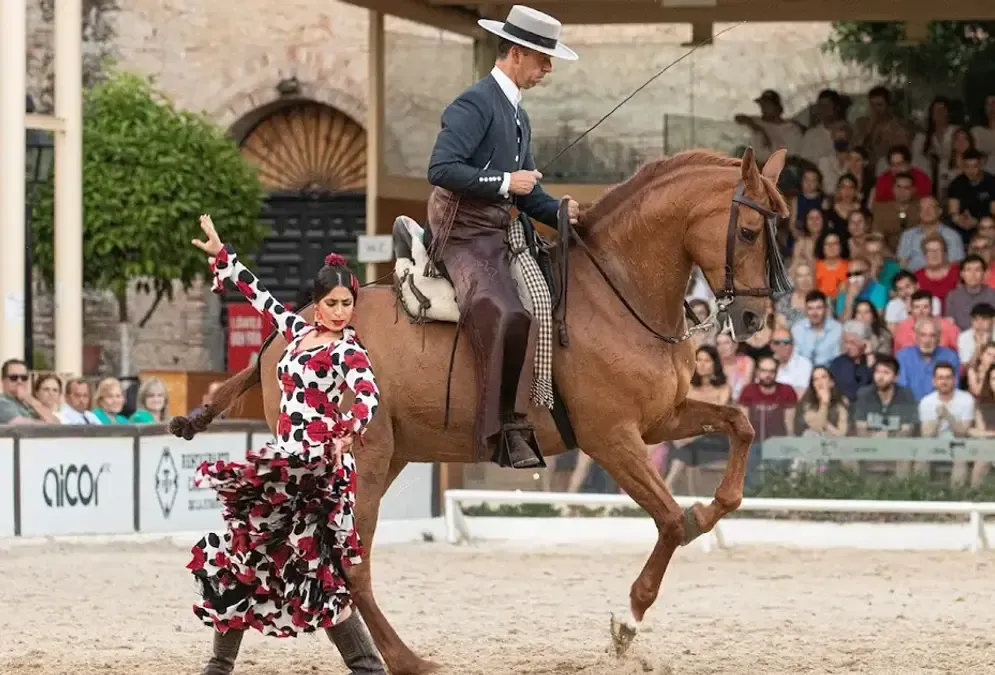
Caballerizas Reales de Córdoba
Philip II's 1568 Royal Stables, birthplace of the Andalusian horse. Evening show combining classical dressage, vaquera riding and flamenco. UNESCO heritage.
€18.50 adult
San Basilio
Explore
From the Roman Temple to medieval fortifications, discover the ruins that tell two thousand years of Córdoba's history.
Córdoba's historical monuments span two thousand years of continuous occupation, from the Roman conquest in the 2nd century BC through the Umayyad caliphate, the Christian reconquest, and into the present day. The Roman Temple of the 1st century AD, once dedicated to the imperial cult, stands reconstructed beside the Palacio de la Merced — an extraordinary survival in the heart of the modern city. The Puerta de Almodóvar, a 14th-century Almohad gate, still defines the western boundary of the old medina, while the medieval walls threading through the Jewish quarter preserve the outline of the Islamic city. The Calahorra Tower guards the Roman Bridge and houses a museum tracing the three cultures of Al-Andalus. Together these monuments reveal Córdoba not as a single city but as a palimpsest of civilisations — each era building on, around, and sometimes over the last. Walking between them without a fixed itinerary is often the most rewarding approach: a carved Roman capital repurposed as a fountain, a Visigothic column embedded in a mosque wall, a medieval turret converted into a private home. This layering is not accidental — it is the defining character of Córdoba's urban fabric.
Philip II's 1568 Royal Stables, birthplace of the Andalusian horse. Evening show combining classical dressage, vaquera riding and flamenco. UNESCO heritage.
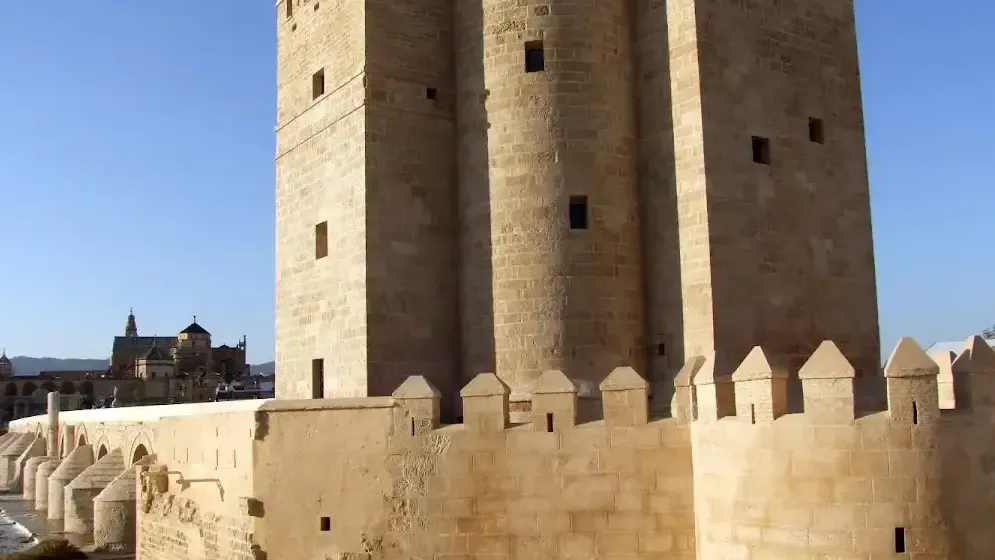
12th-century Islamic tower at the end of the Roman Bridge. Museum of Al-Andalus with rooftop views of the Mezquita and Guadalquivir. €4.50 adult entry.
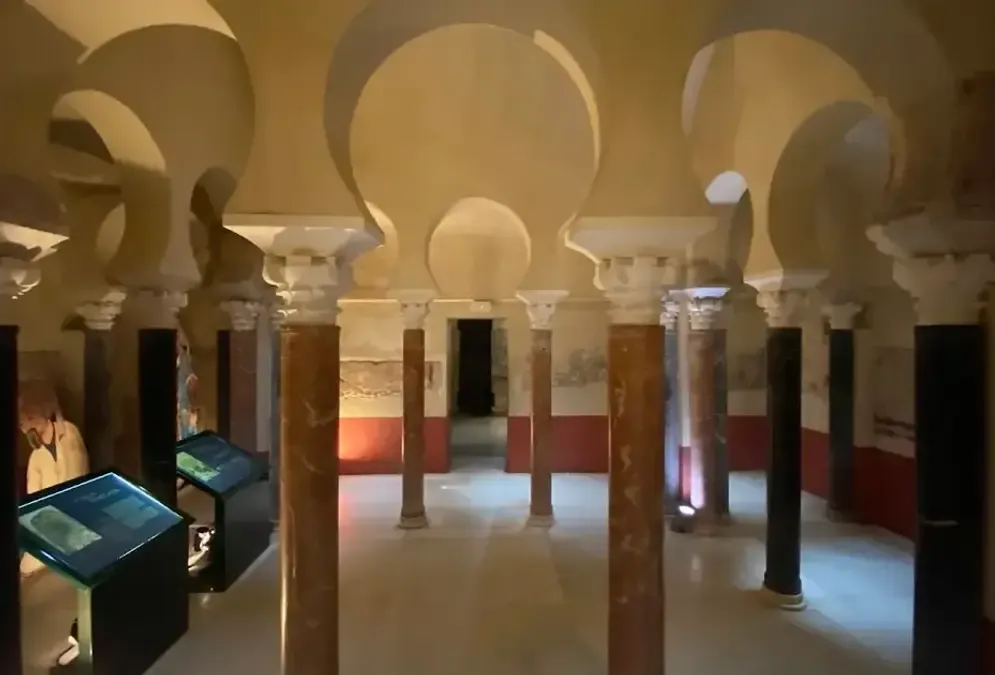
Underground 10th-century Islamic hammam beneath Córdoba's Campo Santo square, with star skylights, marble pillars and intact cold, warm and hot rooms.
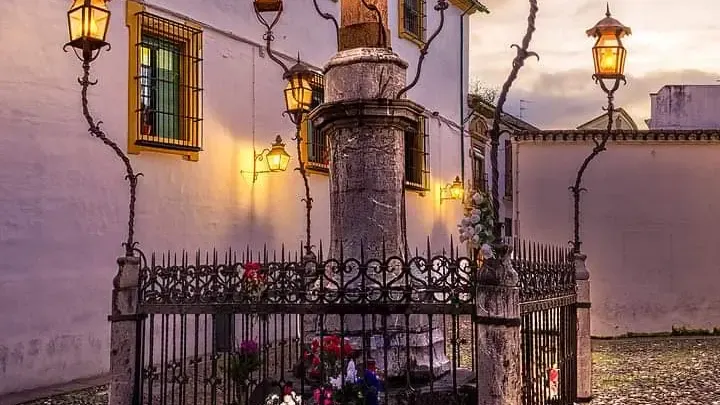
1794 Christ sculpture on Plaza de Capuchinos, encircled by eight wrought-iron lanterns. Most affecting at dusk when they are lit. Free, open 24 hours.
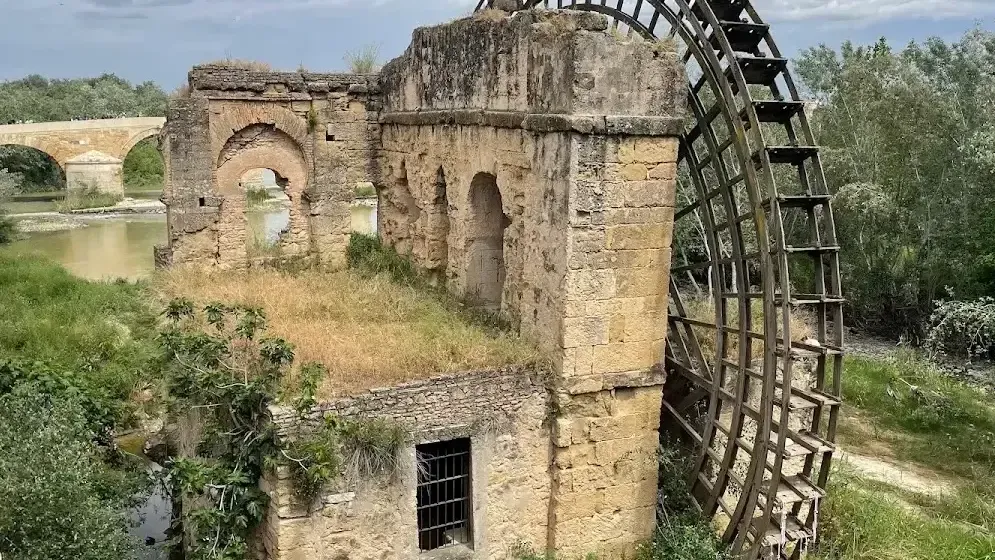
The Albolafia wheel turns again on the Guadalquivir, photographed from the Roman bridge against the Mezquita skyline. What's left of Córdoba's Arab mills.
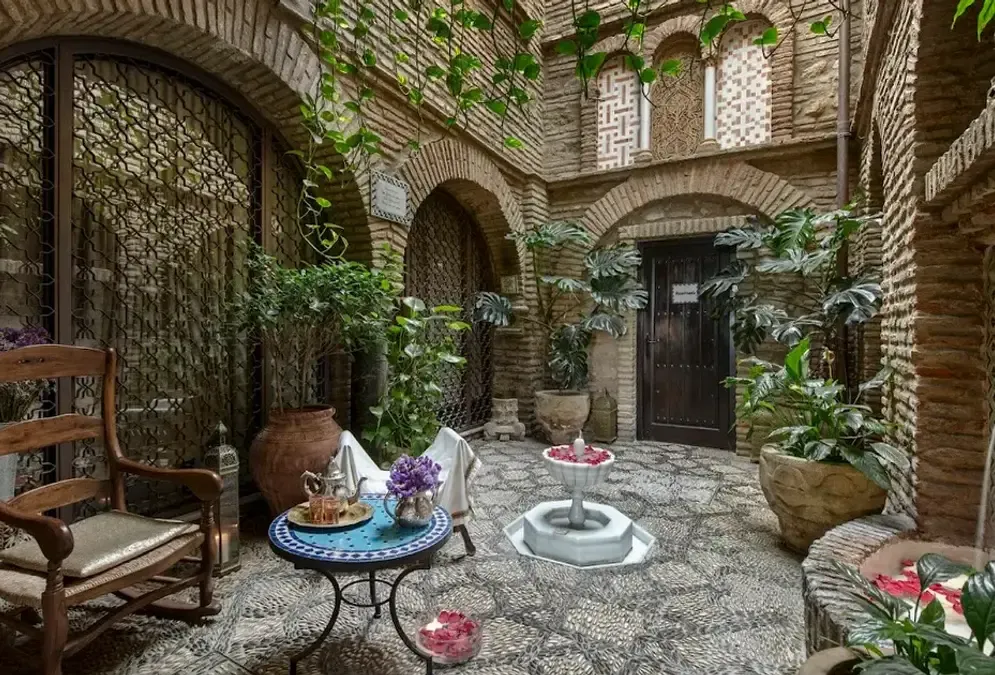
Arab baths in Córdoba's Judería, steps from the Mezquita. Hot, warm and cold pools with optional massages in brick-vaulted, candlelit rooms. From €24.
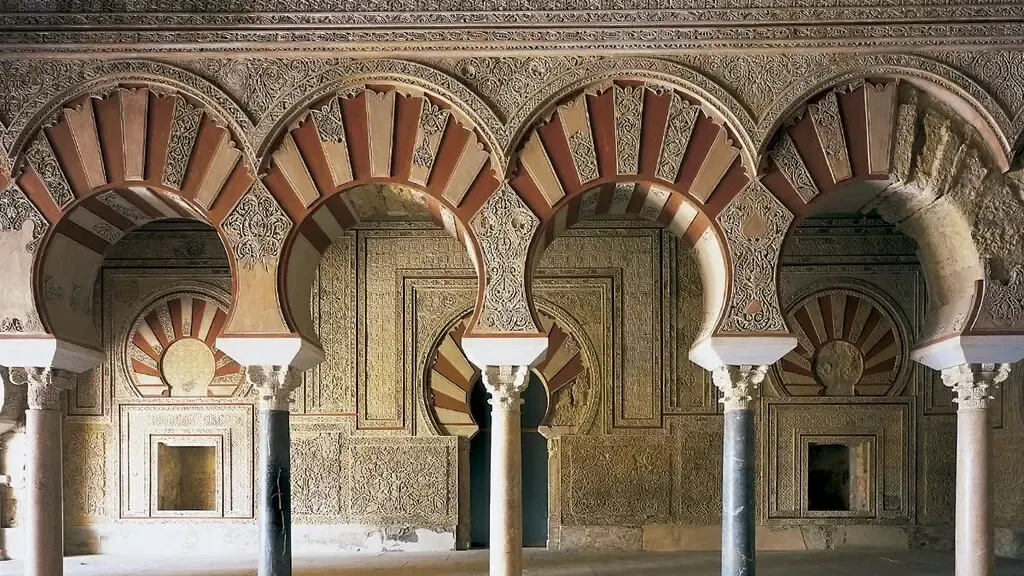
Discover the 10th-century caliphal capital 8 km from Córdoba. UNESCO site with the stunning Salon Rico, Arab gardens and an Aga Khan Award-winning museum.
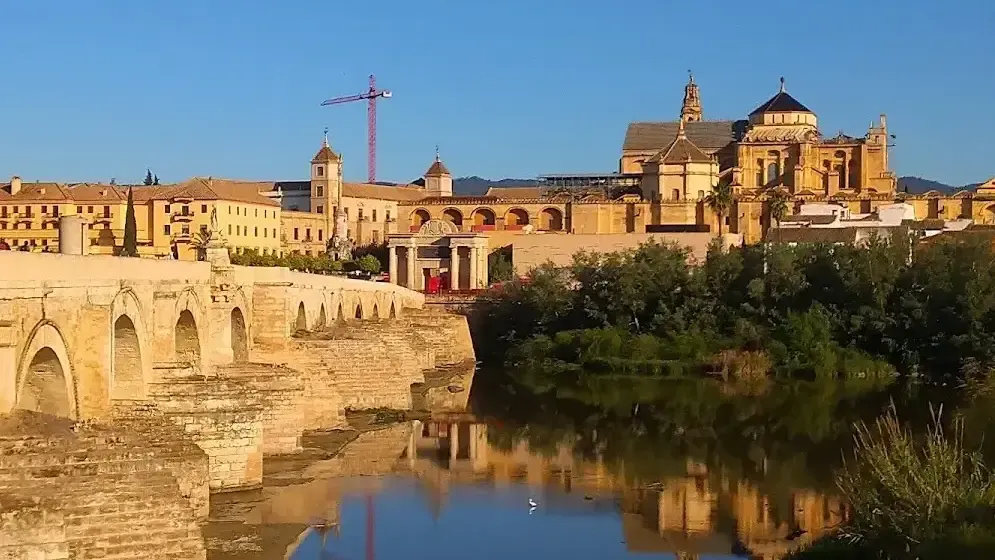
16 Roman arches spanning the Guadalquivir since the 1st century BC. Best viewpoint for the Mezquita at sunset, and a Game of Thrones filming location. Free.
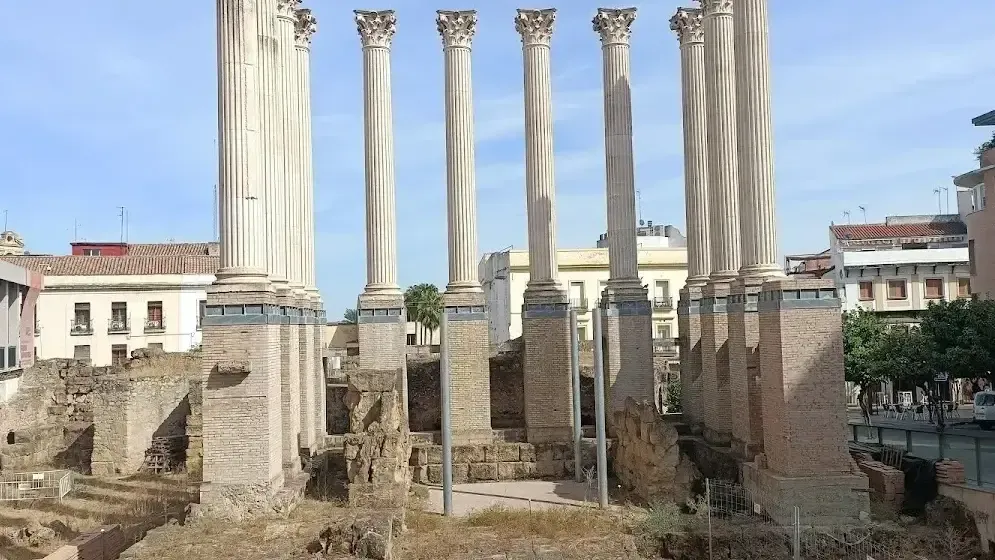
Free open-air Roman temple in central Córdoba, lit up at night. Towering Corinthian columns from ancient Corduba, once capital of Roman Baetica. Open 24 hours.
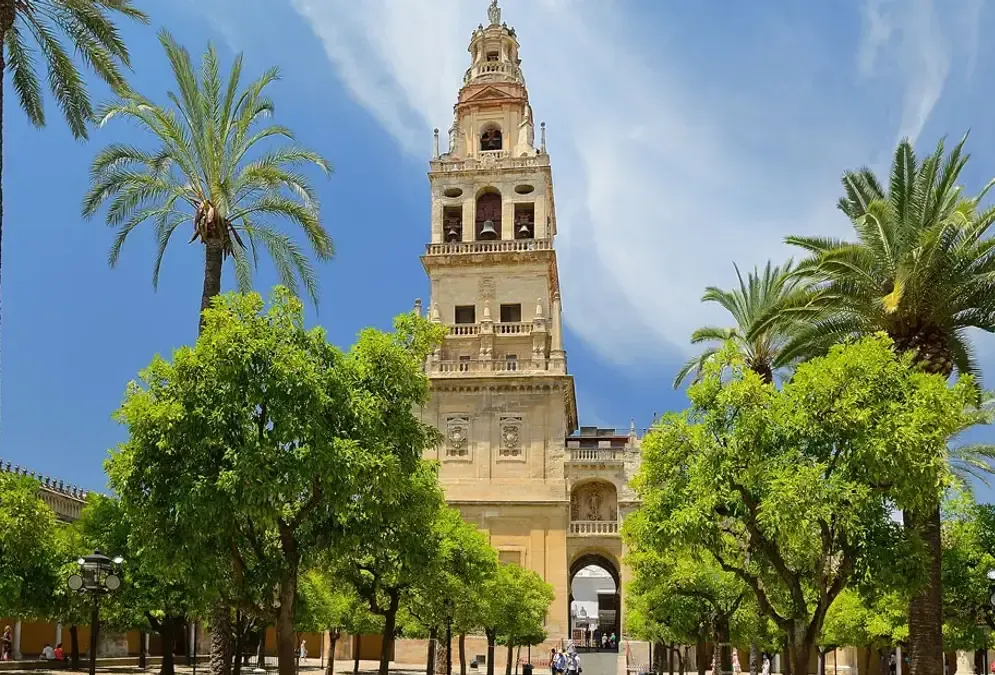
Climb 150 steps up the Mezquita-Catedral's 10th-century minaret-turned-bell-tower for 360-degree views over Córdoba's rooftops, Roman Bridge and Alcázar.
Enjoying Explore Córdoba? Add us as a preferred source on Google.